 Silver Rises Over 120% YTD




Q1 GDP Beat. Jobless Claims Beat. Gold Rose. Here’s Why.
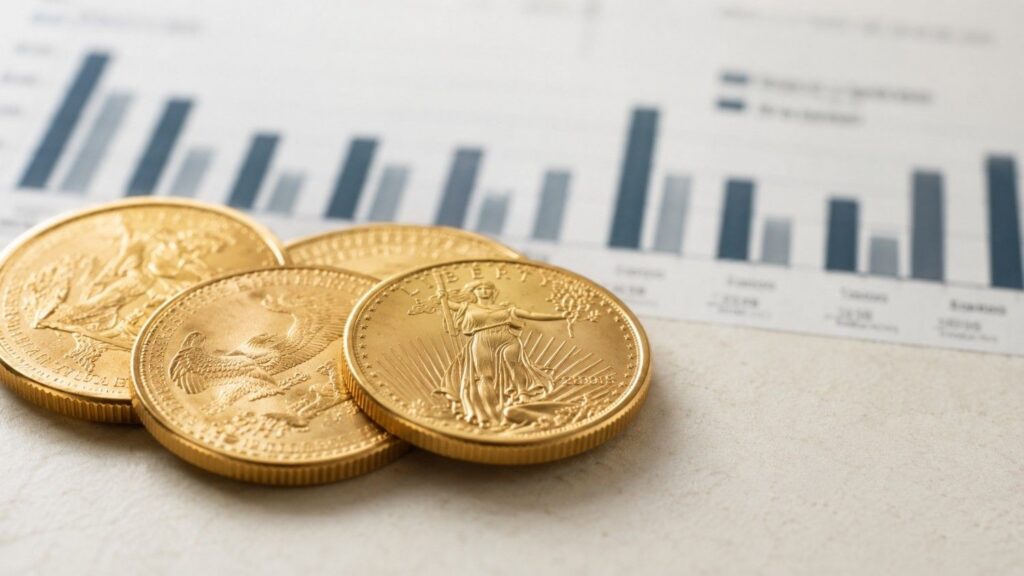
Strong GDP data is actually bad news for gold’s paper price. When the economy grows faster than expected, the Federal Reserve gains permission to raise interest rates — and higher rates increase the cost of holding non-yielding assets like gold. Here’s the mechanism, what June 25’s triple data release confirmed, and what it leaves unchanged for long-term holders.
Gold Has a 0% Risk Weight and an 85% Funding Penalty. Banks Are Finally Asking Why.
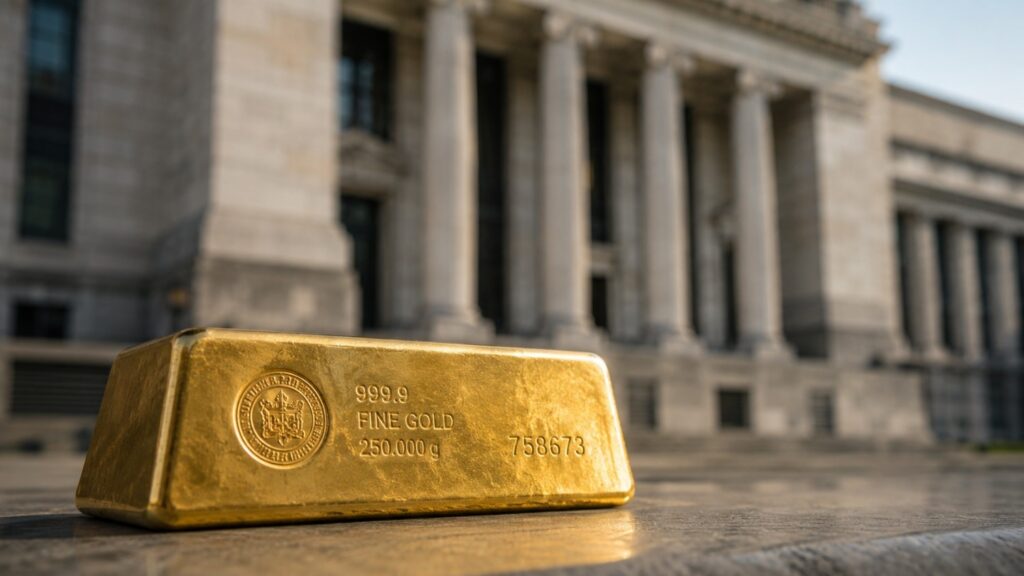
Gold has a 0% bank risk weight — the same as cash — but an 85% liquidity funding penalty under Basel III. Here’s the regulatory gap, why it exists, and what closing it means for gold demand.
PCE Hit 4.1%. Gold Went Up. Here’s Why.
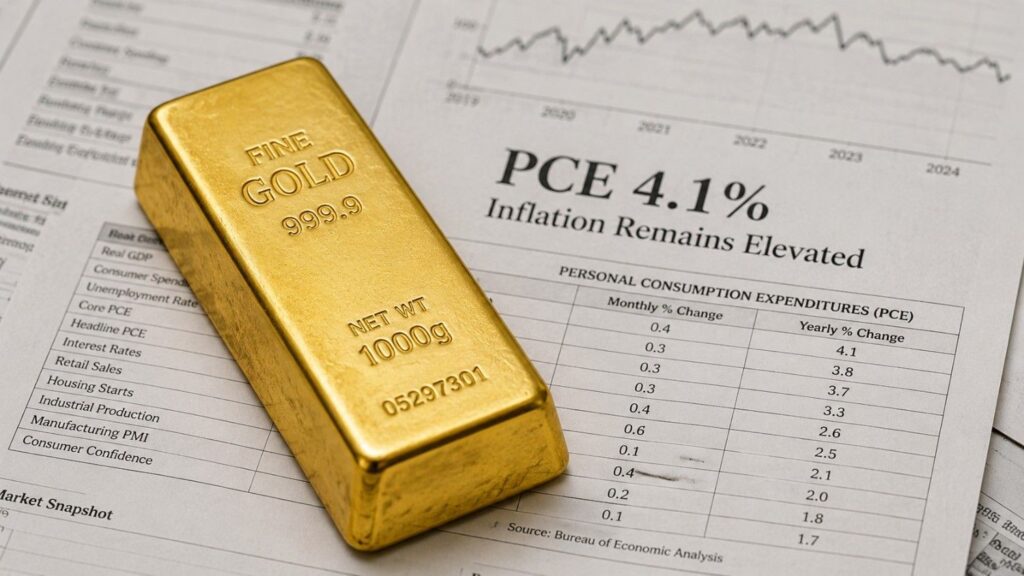
The government confirmed inflation hit a three-year high. Gold went up anyway. Here’s the mechanism most investors miss — and what it means if you hold physical gold.
Why Is Silver’s Mining Margin So Wide? Tavi Costa Explains

Silver’s recent price drop looks significant. The math behind it tells a different story. Macro strategist Tavi Costa breaks down why the $46 spread between silver’s spot price and its average mining cost is the widest in recorded history — and why that number matters far more than where silver traded last week.
298 Tonnes of ETF Gold Is Underwater. Central Banks Aren’t.
Approximately 298 tonnes of gold inside ETFs is currently held at a loss at current price levels — a structural ceiling on any near-term recovery. At the same time, the WGC’s 2026 survey found a record 45% of central banks plan to add to their reserves. Two markets. One metal. Very different time horizons.


