Silver Rises Over 120% YTD




Published: 09-11-2026, 11:37 am
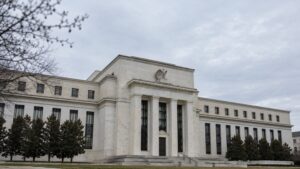
Gold is trading near $4,377 an ounce today. Silver is near $64.71. Both are up more than 1%, per CME-benchmarked spot pricing, ahead of next week’s Fed decision. But the real story isn’t the tape. It’s the argument underneath it. Five separate developments landed within hours of each other today. Each one answers a different piece of the same question: is gold repricing because of the dollar, real yields, or physical demand that doesn’t care about either? Here’s what happened, and how the pieces connect.
Is the Dollar-Debasement Trade Losing Its Grip on Gold?
For most of the past two quarters, the dominant explanation for gold’s rally was simple. Investors didn’t trust the dollar, so they bought a metal no government can print. StoneX’s precious-metals desk now argues that story is losing its grip. Bond yields are reasserting themselves as the market’s main driver this week. As they do, the debasement narrative that carried gold’s advance is fading into the background. The metal is trading more like a real-yield instrument again, and less like a pure currency hedge. The mechanism matters because it changes what to watch next. If real yields are back in the driver’s seat, next week’s Fed decision and the bond market’s reaction to it become the numbers that move gold, not the dollar index.
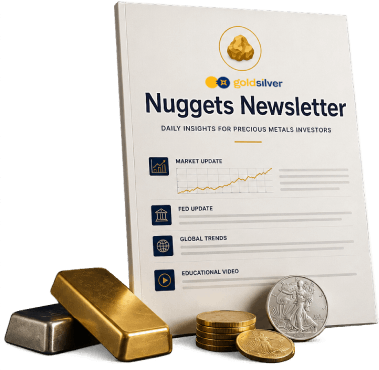
The Edge Every Investor Needs Smarter precious metals investing starts here. The Nuggets Newsletter brings you essential market insights, Fed updates, global trends, educational videos, and much more.
Why Did Gold ETFs Just Have Their Second-Biggest Month Ever?
The World Gold Council’s August report answers a different piece of the puzzle. Global gold ETFs took in $18 billion last month, the second-largest monthly inflow on record. Collective holdings rose 121 tonnes to an all-time high of 4,189 tonnes, and assets under management climbed 16% to $615 billion. The detail that matters most: this wasn’t Asian retail chasing a rally. European funds posted their best month ever at $7.9 billion. Within that, the UK added $4.4 billion, its second-largest month on record, and France added $1.5 billion, its strongest ever. North America added $7.7 billion, its third-largest month. When the world’s largest, most risk-averse pools of capital buy at these prices, that’s a demand signal a daily price chart cannot show.
What Does $6 Diesel Have to Do With Gold Prices?
US diesel prices crossed $6 a gallon for the first time in history this week, according to AAA and GasBuddy’s head of petroleum analysis, as the seven-month conflict between the US and Iran keeps crude elevated. Here’s why that matters for gold: energy costs feed directly into the inflation data the Fed is weighing this week. Every dollar diesel adds to trucking, shipping, and manufacturing costs eventually shows up in a CPI print. A hotter print raises the odds of the rate hike markets are already pricing in. Gold doesn’t need a debasement story or a Fed pivot to catch a bid here. It only needs energy costs to keep doing what they are already doing.
How Is Gold Getting Into Iran Despite Sanctions?
A network of Iranian companies exports bell peppers, tomatoes, and other greenhouse produce. Over the past year, it also imported $187 million in gold bullion, per a trade-data review FreshPlaza reported this week. The companies are linked to Amin Exchange, an entity the US sanctioned in May. One subsidiary alone brought in $122 million in gold from Turkiye while exporting just $8 million in produce, using agriculture’s broad sanctions exemption as cover. The dollar figure is small next to daily COMEX volume. But the mechanism behind it is not small: when a government wants gold and the formal channels are closed, demand does not disappear. It reroutes.
Could Brent Crude Really Hit $120 a Barrel?
Goldman Sachs’ Daan Struyven told CNBC this week that the escalating conflict between the US and Iran raises real odds. Tanker attacks are intensifying around the Strait of Hormuz, and Struyven says Brent could push past $120 a barrel if that continues. That is not Goldman’s base case, which still assumes Gulf exports gradually recover. But it is the bank naming a real tail risk out loud. For gold, the connection runs through the same channel as diesel. Higher oil raises inflation expectations. Higher inflation expectations raise the bar for how convincingly the Fed can declare victory. And a Fed that cannot declare victory tends to keep real rates lower for longer than a market pricing a clean hike-and-done path expects.
Stay On Top of Gold & Silver Prices
Get important market alerts sent straight to your inbox.
SOURCES
1. StoneX, Precious Metals Desk Commentary, September 2026: stonex.com/en-gb/news-and-analysis
2. World Gold Council, “Global demand drives record holdings,” Gold ETF Flows: August 2026: gold.org/goldhub/research/gold-etfs-holdings-and-flows/2026/09
3. CNBC, “Oil prices today: WTI, Brent, U.S.-Iran,” September 9, 2026 (GasBuddy, Goldman Sachs attributions): cnbc.com
4. FreshPlaza, “Iranian greenhouse firms linked to US$187 million in gold imports,” citing Kharon trade-data review, September 11, 2026: freshplaza.com
5. CME Group: spot gold and silver benchmark pricing
Disclaimer: This article is for informational purposes only and does not constitute investment advice. Past performance is not indicative of future results. Always consult a qualified financial advisor before making investment decisions.
You May Also Like:
- Gold and Silver Price Today: Why They Just Reversed
- Core Inflation Just Ran Hot. Gold and Silver Rallied Anyway.
- Gold and Silver Fall as Hot PPI Lifts Fed Rate-Hike Odds
- Five Signals Pointing the Same Way Into Next Week’s Fed Decision
- Silver Just Fell Three Times Harder Than Gold. Here’s the PPI Story Behind It.
- Gold’s Tiny Output Is Worth Twice Aluminum’s. Here Are Four More Signals Like It.