Silver Rises Over 120% YTD




Daily News Nuggets | Today’s top stories for gold and silver investors
January 13th, 2026
U.S. Inflation Holds Steady in December — Fed Poised to Stay Patience
The latest U.S. Consumer Price Index showed prices rose 0.3% in December and 2.7% year over year. Both figures matched expectations and November’s pace. Core inflation, which strips out food and energy, was also unchanged. That suggests inflation remains sticky, but not accelerating.
For markets, this reinforces expectations the Federal Reserve will keep rates unchanged at its next meeting. Investors see little urgency for further tightening, but no clear path to quick cuts either. That “wait and see” stance matters.
When real yields stop rising and inflation lingers, real assets often regain appeal. Gold and other hard assets tend to perform best in that gray zone, where policy restraint meets persistent price pressure.
The Financial System Isn’t Safer — And You Know It As risks mount, see why gold and silver are projected to keep shining in 2026 and beyond.
Intensifying Political Pressure on the Fed Stokes Market Debate
Tensions between the Trump administration and Fed Chair Jerome Powell escalated this week. The Justice Department opened a criminal investigation tied to Powell’s congressional testimony about Fed building renovations.
Powell pushed back quickly, calling the probe political interference. Several Republican senators and former Fed officials also weighed in. Many warned the move threatens long-standing norms around central bank independence.
Markets are paying attention. Perceived pressure on the Fed can shift expectations around inflation and interest rates. Even the hint of political influence can weaken confidence in monetary policy.
When trust in institutions erodes, investors often seek assets outside the financial system. Gold has historically filled that role during similar episodes.
That concern isn’t just political — economists say the stakes are much higher.
Economist Sounds Alarm Over Fed Political Pressure
Several prominent economists are warning that rising political pressure on the Federal Reserve carries serious risks. Some point to past examples where government interference preceded inflation spirals and market instability.
The argument is simple. An independent central bank anchors inflation expectations. Once that credibility cracks, restoring trust becomes far harder and far more costly.
Markets may appear calm for now, but history suggests these risks rarely surface all at once. They build quietly, then show up suddenly in prices, currencies, and capital flows.
In those environments, demand often rises for inflation hedges. Metals tend to benefit when confidence in policy discipline weakens.
Gold Pauses After Record Run — Silver Roars Ahead
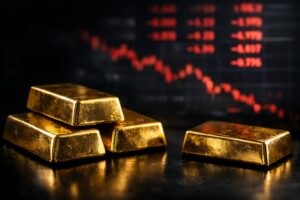
The price of gold eased Tuesday after touching fresh all-time highs above $4,600 an ounce. Some investors locked in gains after weeks of policy-driven and geopolitical volatility. Spot prices dipped modestly, with futures slightly weaker.
Silver didn’t pause. The metal is up more than 3% today, trading near $88 an ounce. These are prices most major banks never expected to see in 2026, let alone the first weeks of January.
Pullbacks like this are common after sharp rallies. They often reflect positioning, not a shift in fundamentals. Ongoing uncertainty around policy credibility and global risks continues to support demand.
And while gold catches its breath, some investors are already looking further down the precious-metals curve.
Investing in Physical Metals Made Easy

Can Silver It Hit Triple Digits?
Silver’s recent strength has reignited debate over how high prices could climb this cycle. The metal is already near multi-year highs. Some analysts and investors now see a path toward $100 an ounce by 2026.
The case rests on several factors. Industrial demand remains strong, especially from energy and electronics. Supply growth is limited. Gold’s rally also tends to pull silver higher, often with greater volatility.
Silver’s dual role makes it unique. It reacts to economic growth like an industrial metal, but also trades as a monetary hedge. Sustained gains would signal rising uncertainty and shifting risk perceptions across markets.