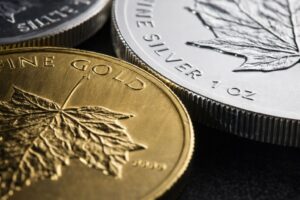
Silver Rises Over 120% YTD




Silver just suffered a sharp selloff — down roughly 17% in a single day — and it immediately triggered a familiar reaction: claims of manipulation, paper slams, and once‑in‑a‑trillion‑years events.
But before jumping to conclusions, it’s worth asking a more useful question: why does silver behave this way in the first place?
In this video, Alan Hibbard steps back from the noise to explain where silver’s extreme volatility actually comes from. The takeaway is simple but important: moves like this aren’t as rare — or as mysterious — as they’re often made out to be.
Silver Doesn’t Trade Like a “Normal” Market
A lot of the viral commentary around silver crashes relies on bad math. You’ll often see claims that a 10–15% move in an hour is a statistical impossibility — something that should happen once every trillion years.
That logic assumes silver prices follow a normal distribution. They don’t.
Silver has what are called “fat tails.” In plain English, extreme moves happen far more often than traditional models predict. Silver also flips between two pricing regimes: long stretches of relative calm, followed by sudden bursts of violent volatility.
Right now, silver is firmly in that volatile regime. Big moves up and down aren’t anomalies — they’re part of how this market works.

Get Expert Insights from Alan Hibbard Learn from Alan Hibbard, a trusted voice in precious metals delivering clear, actionable analysis on gold, silver and the global economy.
The #1 Driver: A Small, Thin Investment Float
The single most important source of silver’s volatility is its size.
While there’s plenty of silver above ground, most of it isn’t available to respond to price changes. It’s locked up in electronics, solar panels, industrial equipment, and jewelry. What actually matters for price is the investable float — bullion that can move in response to buying and selling.
Measured in dollar terms, silver’s investable market is tiny compared to gold. At current prices, gold can absorb roughly 60+ times more capital than silver without moving as much.
That means when real money flows into or out of silver, the price moves fast — sometimes violently.
Rigid Supply and Inelastic Demand Add Fuel
Silver’s supply doesn’t respond smoothly to price changes. About two‑thirds of global silver production comes as a byproduct of mining other metals like copper, zinc, and gold.
So even if silver prices surge, miners can’t simply flip a switch and produce more silver. Supply is tied to decisions made in entirely different markets.
On the demand side, most silver is bought for industrial use, not investment. Manufacturers buy silver because they need it — not because it’s cheap. When prices rise, demand doesn’t disappear. Instead, companies hedge their exposure, which can create additional short‑term selling pressure during volatile periods.
The result: price shocks don’t get smoothed out. They get amplified.
Leverage, Margin Calls, and Feedback Loops
Unlike physical bullion, silver’s day‑to‑day price is set primarily in the futures market — a market dominated by leverage.
Leverage magnifies everything. Small moves become big moves. And when prices fall fast enough, stop‑losses and margin requirements force traders to sell, regardless of their long‑term outlook.
As margins rise, forced selling accelerates, creating a feedback loop where volatility feeds on itself. The same mechanism works in reverse during rallies.
Add in the fact that silver is bulky, expensive to transport, and harder to arbitrage than gold — and price distortions tend to last longer.
Metal and Money
Finally, silver is unique because it sits at the crossroads of two worlds.
Sometimes it trades like gold — a monetary metal responding to macro stress. Other times it trades like copper — an industrial input tied to economic growth. Switching between those roles creates instability, especially during macro regime shifts.
Silver also attracts speculators looking for faster moves than gold can offer. That speculative interest adds speed, leverage, and emotion — all ingredients for sharp price swings.
Silver Isn’t Broken — It’s Built This Way
Understanding silver’s volatility doesn’t require conspiracy theories. It requires understanding structure.
Thin markets, rigid supply, industrial demand, leverage, and margin mechanics explain far more about silver’s behavior than any viral tweet ever will.
If you want the full explanation — including charts and deeper context — watch Alan’s complete breakdown below.
👉 Watch the full video to see why silver really moves like this.
Investing in Physical Metals Made Easy

People Also Ask
Why is silver so volatile compared to gold?
Silver is much more volatile than gold because its investable market is far smaller in dollar terms. That means large trades move prices faster, especially when leverage and futures trading dominate price discovery. Alan explains this structural difference in detail in the full video on GoldSilver.
Was silver’s recent price drop caused by manipulation?
Not necessarily. While manipulation claims often surface after sharp moves, silver’s structure alone can explain extreme volatility. Thin markets, leverage, margin calls, and industrial hedging create large price swings without requiring coordinated manipulation.
What does it mean that silver has “fat tails”?
“Fat tails” means extreme price moves happen more often than traditional models predict. Silver does not follow a normal distribution, so what looks like a once-in-a-trillion-years event is actually much more common.
Why doesn’t higher silver prices lead to more supply?
Most silver is mined as a byproduct of other metals like copper and zinc, not from dedicated silver mines. As a result, silver production doesn’t respond quickly to rising prices, making supply rigid and price shocks more severe.
How do futures and leverage affect silver prices?
Silver’s short-term price is set mainly in the futures market, where leverage is widespread. Leverage magnifies both gains and losses, and during sharp moves, margin calls and stop-losses can force selling that accelerates volatility. The full breakdown is covered in Alan’s video on GoldSilver.
You May Also Like: