Silver Rises Over 120% YTD


A Gold Dealer Just Failed Holding Zero Gold. Here’s What That Means for Yours.

Allocated storage makes specific bars your legal property. Unallocated storage makes you an unsecured creditor. A company that failed holding zero gold, and a 1994 court ruling, show why that one distinction decides everything.
SLV Holds Your Silver. It Just Can’t Give It Back to You.
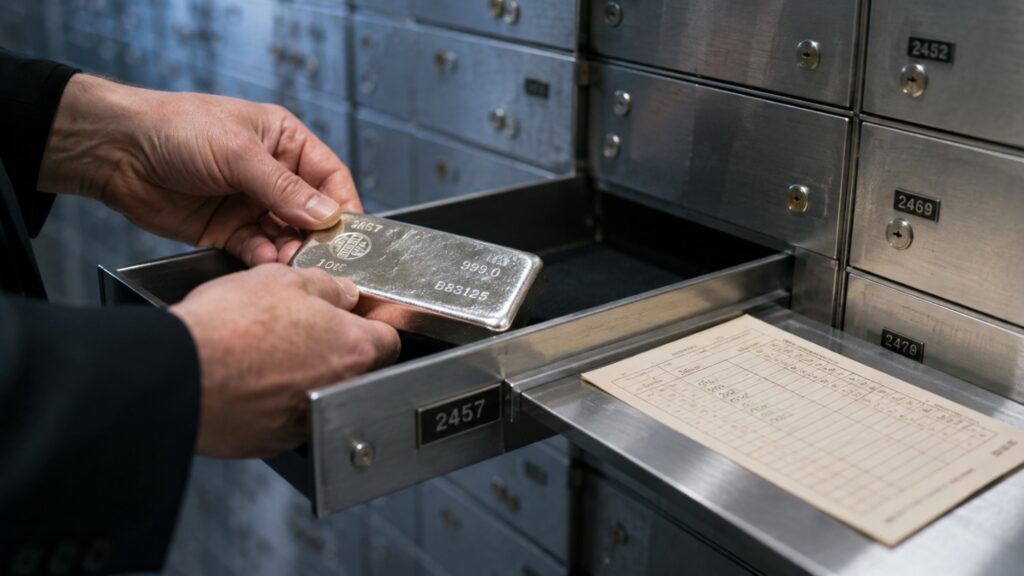
Institutions are quietly rotating silver exposure from SLV toward allocated vehicles like PSLV. The real driver is redemption rights, not the leasing myth.
Gold Storage Fees Cost $72 a Year. Your Insurance Covers $200.

Allocated gold storage costs 0.18% a quarter, or $72 a year per $10,000. That is more than GLD, IAU or GLDM charge. But the fee spread across every way of holding gold is only about $62 a year, while the standard homeowners form caps bullion at $200 total. Here is what the premium buys, and which number actually decides where your metal should sit.
Does Physical Gold Have Counterparty Risk? The Facts

When you deposit money at a bank, you are not storing it. You are lending it. Physical gold counterparty risk is zero because allocated metal is not a claim on any institution — it cannot be frozen, diluted, or devalued by policy. This explainer covers the mechanism and how to structure both approaches correctly.
Physical Gold vs. Digital Gold: Which Is the Ultimate Safe Haven?
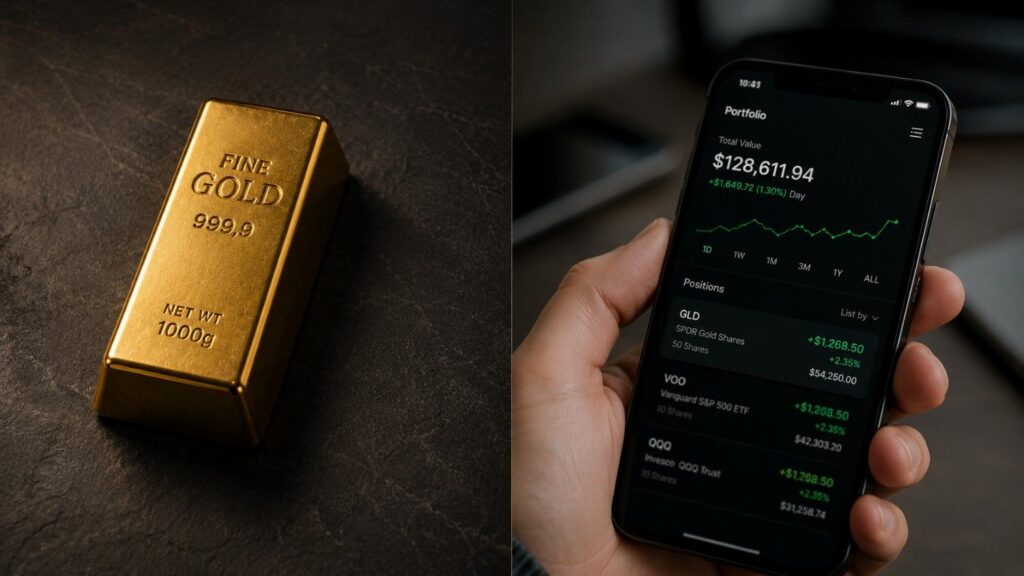
Not all gold ownership is equal. We break down the real difference between physical gold and digital gold products — and why it matters most in a crisis.
Gold ETFs Are Booming. But Do You Actually Own Gold?
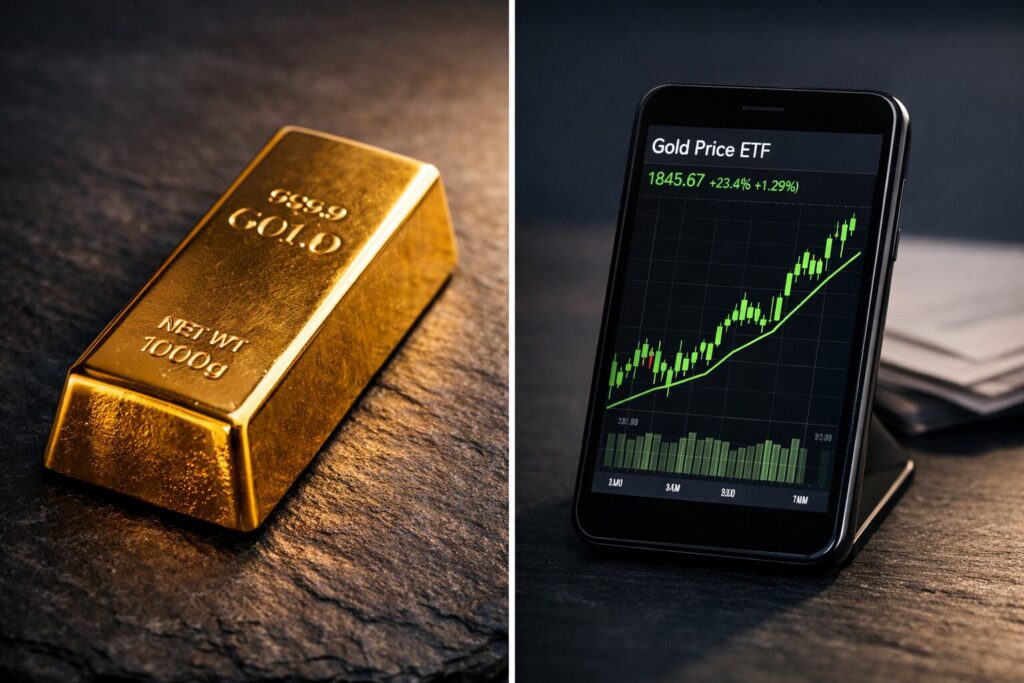
Gold ETF inflows are rising, but are investors getting the protection they think? This guide breaks down the real differences between gold ETFs and physical gold — covering counterparty risk, long-term costs, liquidity, and what each option actually delivers when markets are under stress. If gold is in your portfolio to do a job, here’s how to make sure you’re holding the right version of it.
Should I Buy Gold Now? What Most Investors Get Wrong

Most investors ask the wrong question about gold. It’s not just when to buy — it’s why, how, and how much. This guide breaks down the key factors most people overlook, from choosing the right investment vehicle to building the right allocation for your risk profile, so you can make a smarter, more confident decision about investing in gold today.
87% Dollar Devaluation Since 1971: Why Central Banks Keep Buying Gold

Since the Nixon Shock in 1971, the U.S. dollar has lost roughly 87% of its purchasing power, according to Bureau of Labor Statistics CPI data. Meanwhile, central banks have been net buyers of gold for 16 consecutive years. Here’s what the data shows — and what individual investors can learn from it.
Fewer Losses, Better Returns: How Gold and Silver Diversify Your Portfolio

Gold and silver have long been trusted tools for protecting wealth. Discover the role precious metals play in portfolio diversification, inflation hedging, and safeguarding your financial future during economic uncertainty.
Digital Gold vs Physical Gold: What Do You Actually Own?

Not all gold investments are created equal. Whether you’re buying bullion or investing through an app, understanding what you actually own — and what risks come with it — is the first step to making the right choice for your portfolio.