 Silver Rises Over 120% YTD




What Moves Gold Prices? 6 Key Gold Price Factors Explained
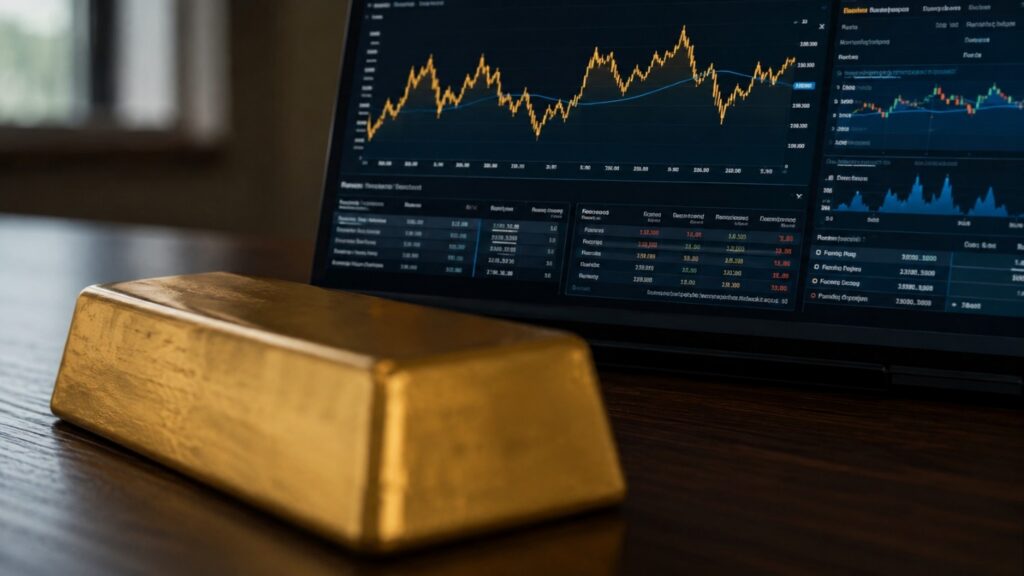
Gold hit an all-time high of $5,589 in January 2026 — then pulled back 18%. Here are the six macroeconomic factors that move gold prices, and why understanding them matters more than tracking the daily chart.
World Bank: Precious Metals to Surge 42% This Year

The World Bank’s April 2026 Commodity Markets Outlook projects a 42% surge for gold and silver — outpacing every other commodity class. Here’s what’s driving the forecast and what it means for long-term investors.
What Do Central Banks Know About Gold That You Don’t?
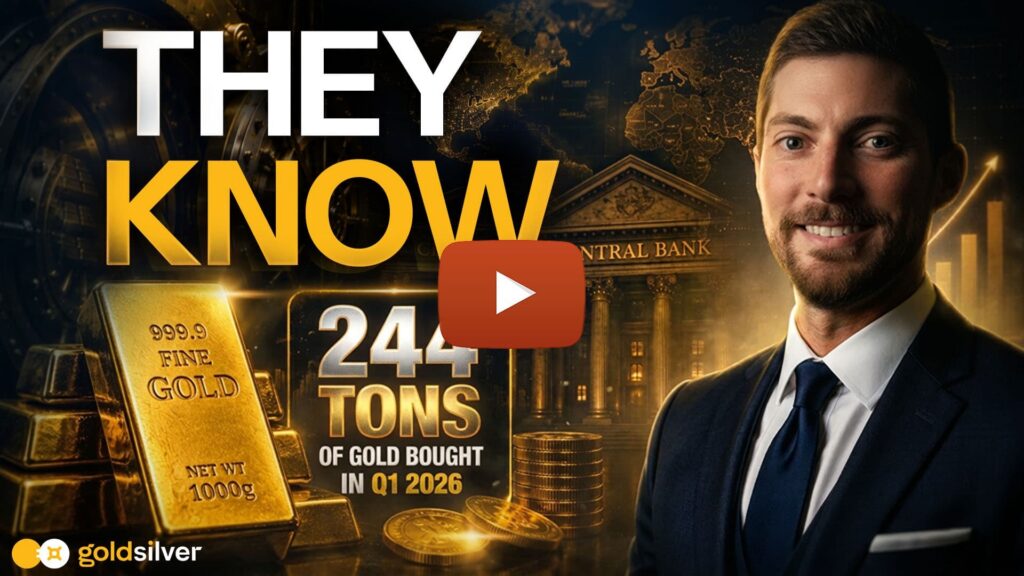
Central banks purchased a net 244 metric tons of gold in Q1 2026 — the fastest pace in over a year — despite prices hitting a record $5,405 per ounce. The World Gold Council data reveals who’s buying, who’s selling, and why this relentless accumulation at all-time highs signals a growing loss of confidence in fiat currencies. If central banks are protecting themselves regardless of price, the rest of us should be paying attention.
Is Gold a Better Investment Than Bitcoin Right Now?
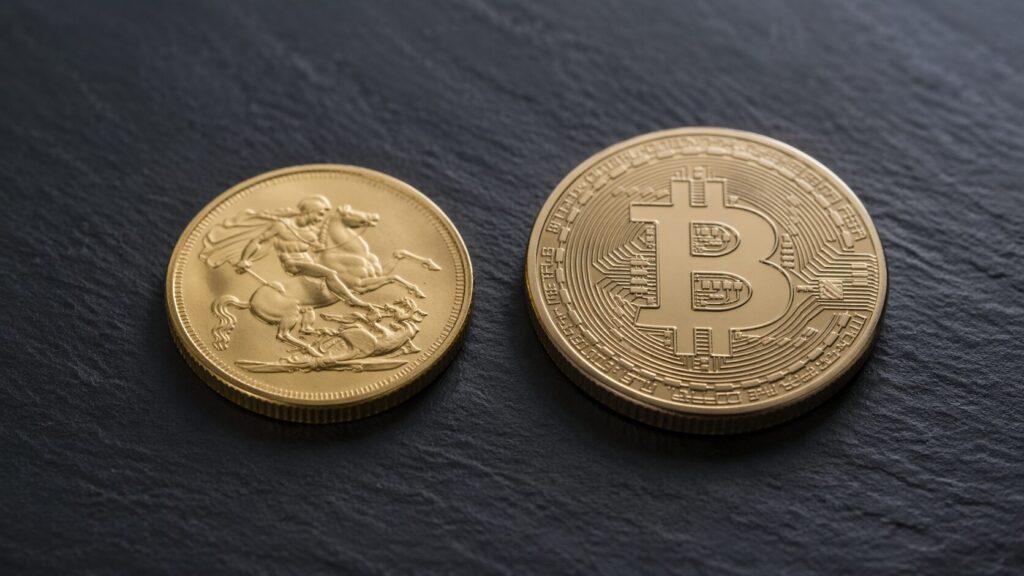
Gold hit an all-time high of $5,589 in January 2026 and has since pulled back 14%. Bitcoin is down more than 41% from its own 2025 record. The gap between those two numbers is the whole story.
Gold & Silver Supply and Demand: What Really Drives Prices Over Time
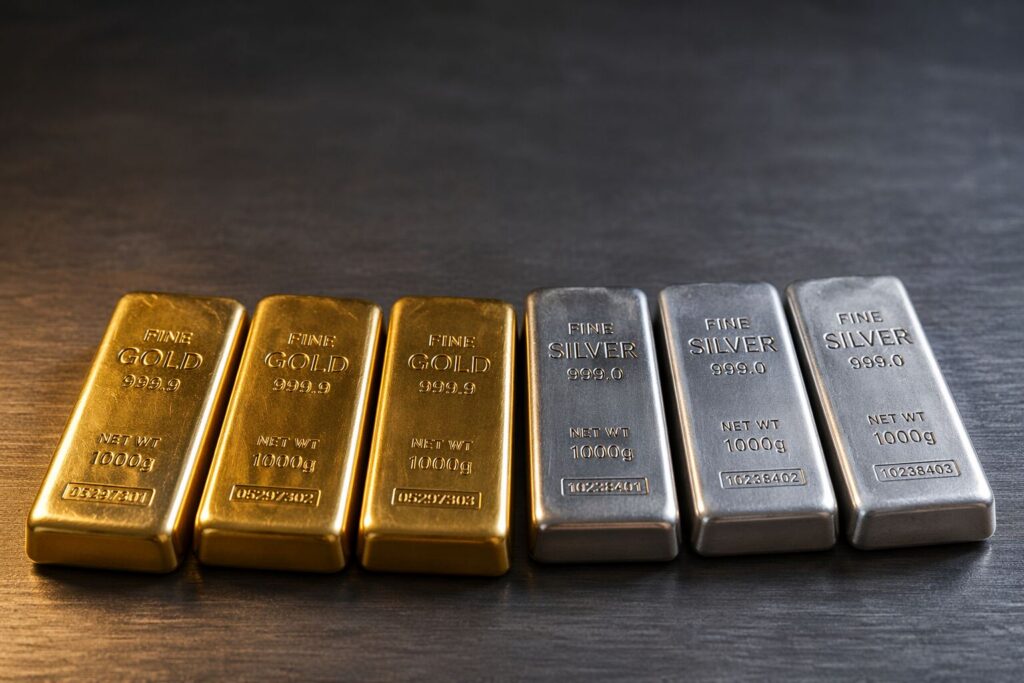
Gold and silver prices don’t move by chance. Discover the key supply and demand forces — from central bank activity and real interest rates to silver’s growing industrial role in solar and EVs — that drive precious metals prices over time and what they mean for your portfolio.
Central Banks Are Buying Gold: Here’s What They See Coming

Central banks are accelerating gold purchases as confidence in fiat currencies declines. Driven by inflation, geopolitical risk, and de-dollarization, this structural shift signals long-term demand for gold.
What Venezuela Really Means for Gold and Silver Investors

Venezuela’s crisis isn’t a silver story—it’s a gold story. U.S. sanctions reveal why controlling gold flows matters more than headlines, and what it signals for investors watching the next phase of the monetary cycle.


