 Silver Rises Over 120% YTD




Gold, Oil, and the Fed: Why the Old Rules Don’t Apply
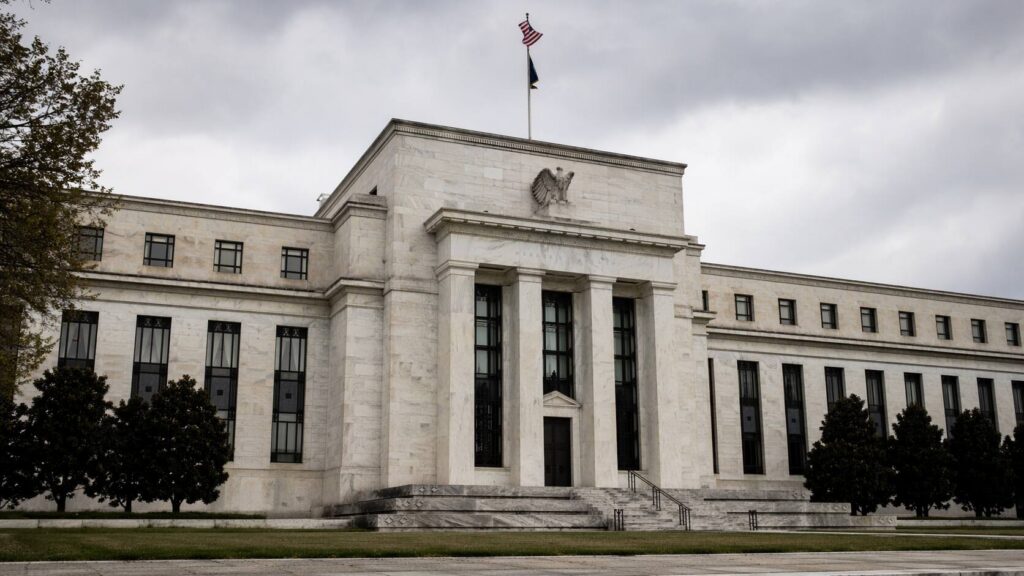
Gold is down, oil is surging, and the Fed is frozen. If that seems contradictory, it isn’t — once you understand how real yields work. Five briefs explain exactly what’s driving markets on April 29, 2026.
The Dollar Is Losing Ground. Here’s Why It Matters.
Most dollar headlines are either pure panic or total dismissal. The truth is more uncomfortable. Harvard economist Kenneth Rogoff predicts the yuan becomes a global reserve currency within five years — and IMF data shows the dollar’s share of global reserves has been quietly falling for over two decades. Here’s what that slow shift actually means for your purchasing power.
Is the Petrodollar Ending? What the Iran War Means for Gold

Deutsche Bank calls the Iran war a “perfect storm for the petrodollar.” Not everyone agrees — but the dollar’s reserve share has already fallen from 71% to 57% since 1999. Here’s what five key market developments mean for gold and silver investors today.
Hormuz Blockade Sent Gold Down 2%. Here’s Why That’s Bullish
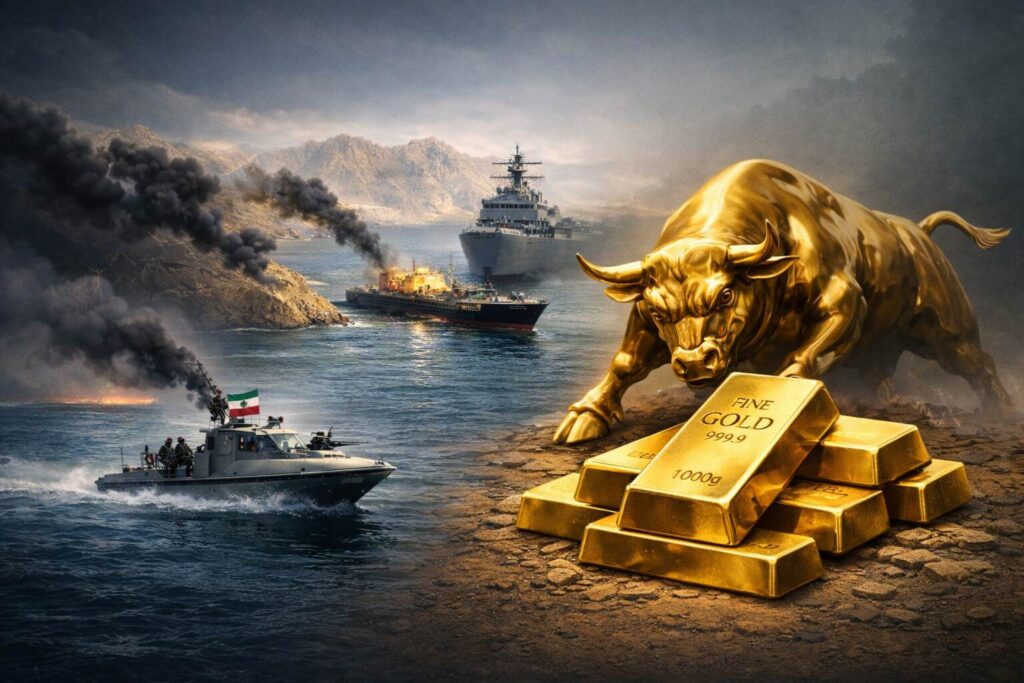
The Hormuz blockade sent gold down 2% as oil surged past $100. But margin liquidation — not fundamentals — drove the drop. With CPI at 3.3%, central banks buying, and the petrodollar requiring a navy to defend, the structural case for gold just got stronger.
$88 Billion a Month: Why U.S. Debt Is Driving Gold Prices
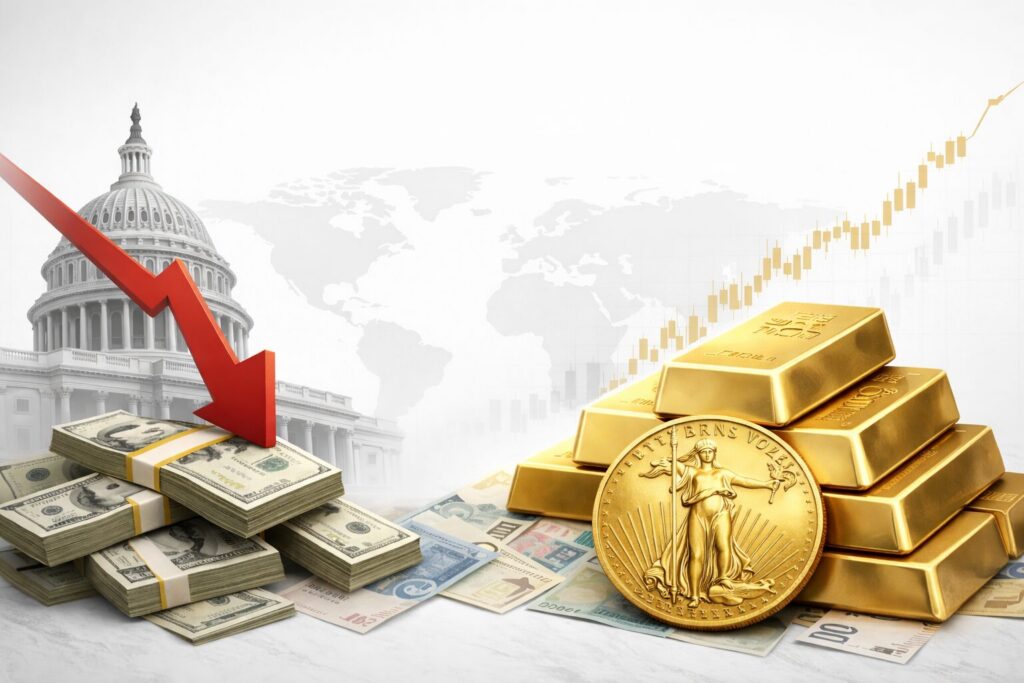
Does US debt drive gold prices? The CBO confirmed the U.S. paid $529 billion in interest in just the first half of fiscal 2026 — $88 billion a month. Gold is at record highs and climbing. Here’s the fiscal mechanism every saver needs to understand before the next $88 billion bill arrives.
What Is Quantitative Easing — and How Does It Affect Metals?
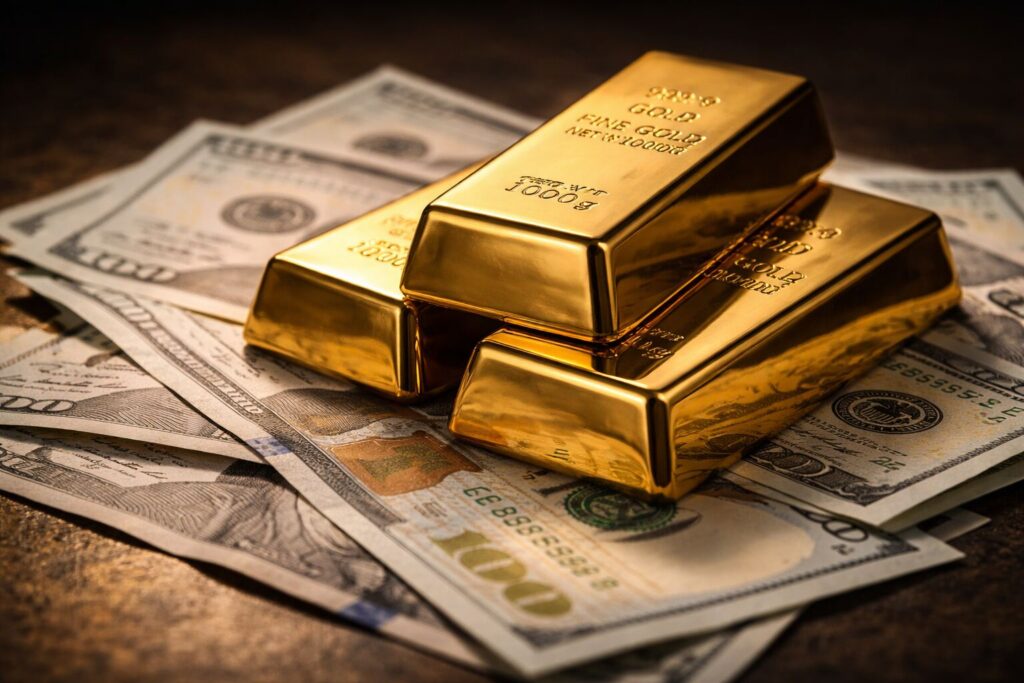
Quantitative easing is the Federal Reserve’s most powerful — and controversial — monetary tool. Here’s what QE means, how it works, and what every precious metals investor should understand about its long-term impact on gold and silver.
CPI Hits 3.3%, GDP Stalls — Is Stagflation 2026 Here?
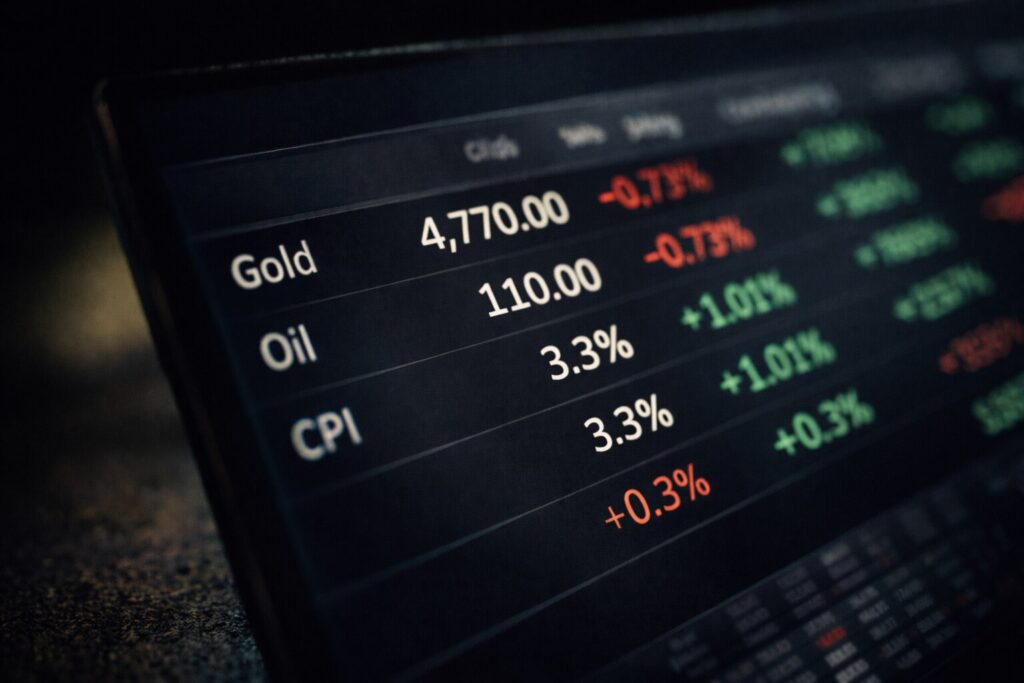
March CPI surged to 3.3% — the highest since May 2024 — while Q4 GDP sits at just 0.5%. The stagflation 2026 thesis is now backed by hard data. Gold eyes a third weekly gain as the Iran ceasefire cracks and Islamabad talks loom. Five stories you need this morning.
Gold, Silver Swing as Ceasefire Cracks

The US-Iran ceasefire is barely holding. Gold closed at $4,768 and silver at $75.60 after wild swings. Oil snapped back above $100 as Iran still controls the Strait. FOMC minutes revealed growing inflation fears and a hawkish shift. Here’s your PM roundup.
The Fed Is Stuck. Here’s What That Means for Gold.
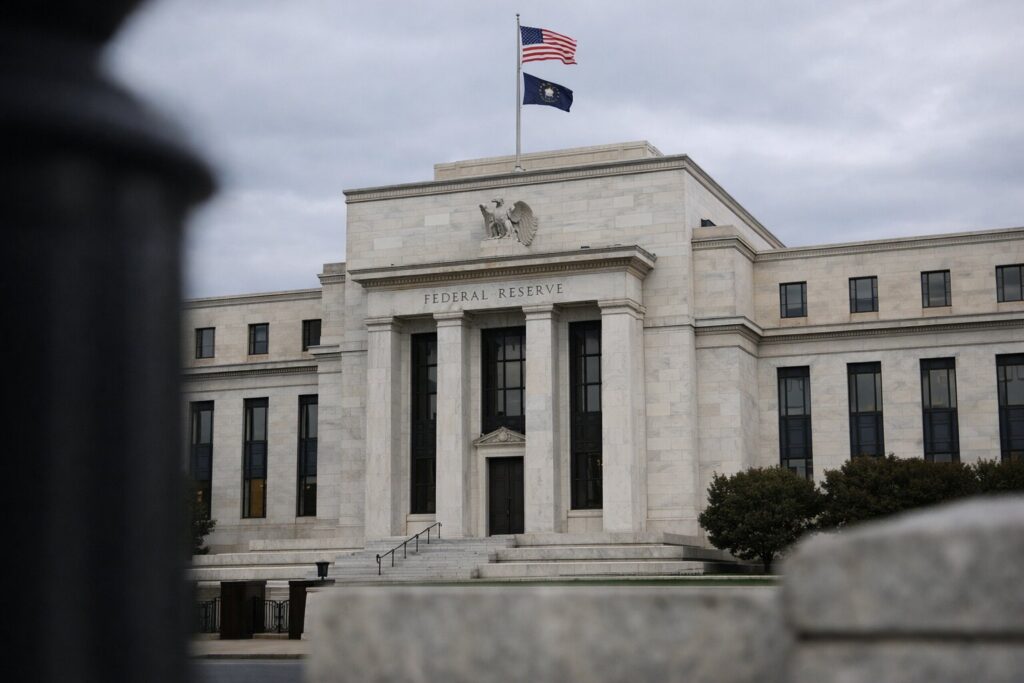
Iran’s parliamentary speaker says the U.S. violated the ceasefire within hours. Fed minutes show policymakers split on cuts vs. hikes. And gold has historically moved when the Fed can’t signal its next step — a pattern playing out right now.
How Does the Federal Reserve Actually Create Money?
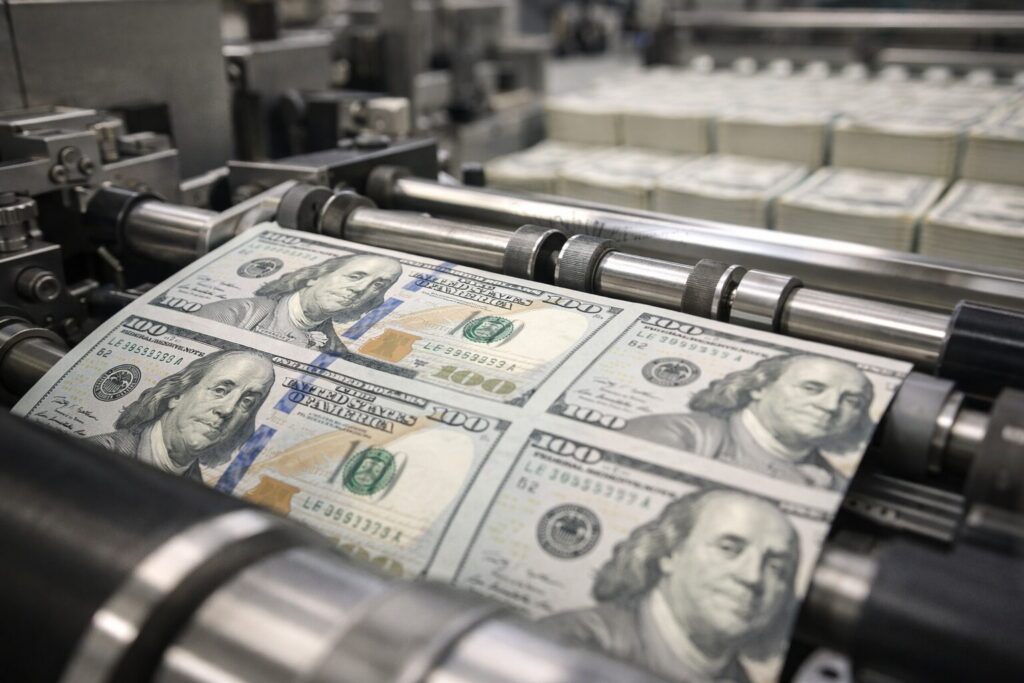
Most people assume money is printed at a mint and backed by something real. The truth is stranger. The U.S. dollar is created through debt, multiplied through bank lending, and sustained by collective agreement. Here’s how the system actually works.


