 Silver Rises Over 120% YTD




Gold Pulls Back Ahead of Fed Meeting
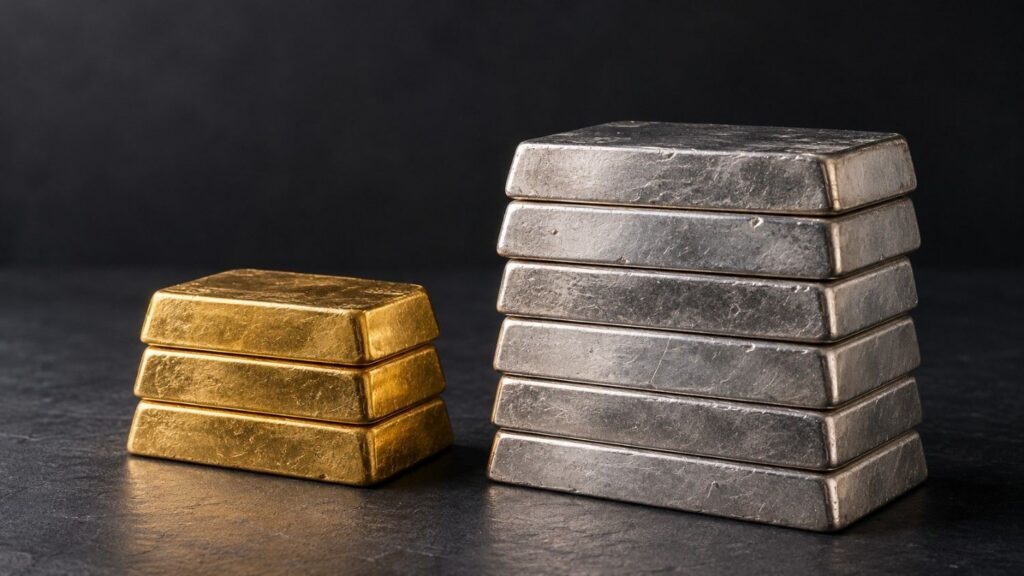
Silver fell nearly three times faster than gold this month, pushing the gold-silver ratio to 73:1. Add a trimmed Goldman Sachs forecast and a Fed decision six days out, and October’s outlook turns on details most headlines have missed.
Currency Swing Erases Gold’s Brief Dip
A Fed governor’s hawkish remarks moved gold $40 this morning; a dollar swing erased it by lunch. The real yield near 2.9% is the number that actually explains the metal’s resilience.
A Bank Just Said the Fed Isn’t Done Hiking. Here’s the Math on What That Does to Gold.
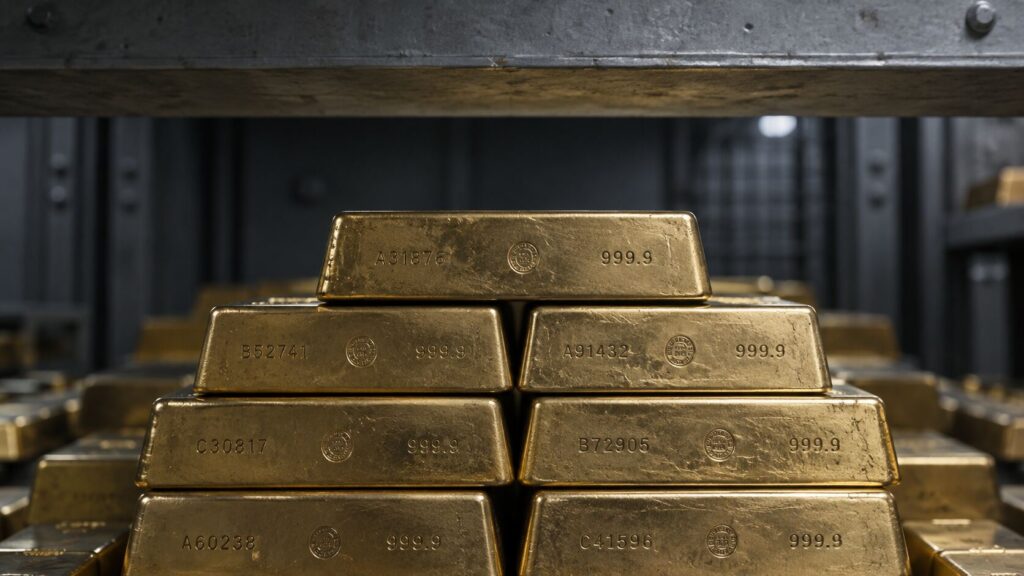
Real yields just hit a multi-session high, and a Nomura strategist says the Fed has room to push them further. Here’s the mechanism behind gold’s price ceiling, the crowded positioning that could sharpen a pullback, and why the Street’s own targets haven’t moved.
Gold Fell 23% This Year. One Number Explains Why.
The Fed just hiked rates for the first time since 2023, but gold had already fallen 23% from its January record. Here’s the real-yield mechanism that actually moves the price.
What Is a FOMC Meeting? What the Fed Decides and How Gold Reacts

The Fed just hiked rates for the first time since 2023, and gold’s reaction wasn’t what the textbook predicts. Here’s what an FOMC meeting actually decides, how the committee is structured, and the one number, not the headline vote, that actually moves gold and silver.
Real Yields vs. Nominal Rates: The Number That Actually Moves Gold

The Fed hiked and gold barely moved, because the real driver isn’t the policy rate. Here is the FRED data showing exactly which number explains gold’s September swings, and a simple rule of thumb for checking it yourself on any future move.
Washington Sold $70 Billion in Debt. Wall Street Only Wanted Part of It.
A weak $70 billion Treasury auction, not the Fed, sent yields to their highest level since 2007 this week. Here’s the mechanism connecting Wall Street’s bond demand shortfall to gold and silver’s pullback, and why it’s a fiscal problem wearing a monetary costume.
Why Jim Rickards Thinks $10,000 Gold Could Arrive by Mid-2027

Jim Rickards says gold’s climb to $10,000 an ounce comes down to arithmetic, not sentiment. He breaks down the anchoring effect, the fundamentals still in play, and why he calls the Fed’s latest rate hike a mistake.
The Fed Just Hiked. Wall Street Keeps Getting More Bullish on Gold Anyway.
Five different signals, from a bank forecast to a Chinese regulatory notice, all point the same direction after last week’s Fed hike. None of them share a mechanism, but each one argues the case for gold and silver just got stronger, not weaker.
Rates Just Went Up Twice. Five Reasons Gold Didn’t Care.
Two central banks hiked rates this week, and gold barely blinked. Five fresh signals — from Goldman’s models to a $4 billion sovereign gold shipment — show why institutional and sovereign money isn’t buying the bearish case.


