Silver Rises Over 120% YTD




What Is Sound Money? Why the Dollar Lost 87% of Its Value Since 1971
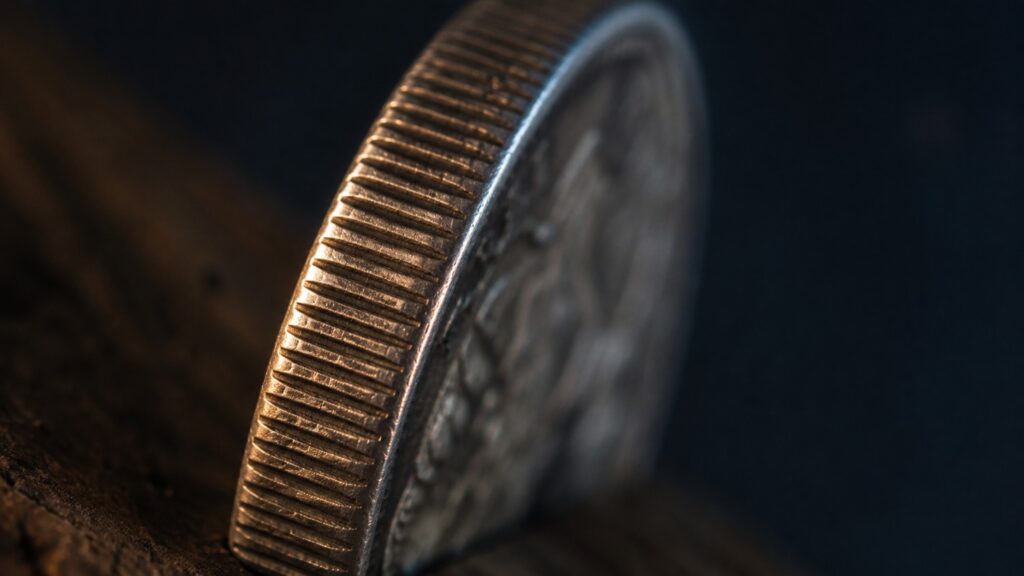
Sound money is money whose supply cannot be expanded by decree, so it holds its purchasing power over time. The principle shaped the 19th-century gold standard. Since that constraint ended in 1971, the dollar has lost roughly 87% of its purchasing power.
Your Bank Balance Is Lying to You. The Number Is Real. The Wealth Isn’t.
Your bank balance shows a number. That number is not your wealth — it’s a measuring stick. And measuring sticks can shrink. Megan King Diaz explains why, and what actually holds its value.
What Is a Monetary Reset — and Is One Already Happening?
Everyone pictures the same scene: one Monday morning, the dollar cracks and cash is worthless by lunchtime. That version makes for a great movie. The real monetary reset looks nothing like it — and it may already be underway. Here is what four structural shifts are quietly telling us.
The Petrodollar System Explained: What It Is, How It Worked, and What’s Replacing It
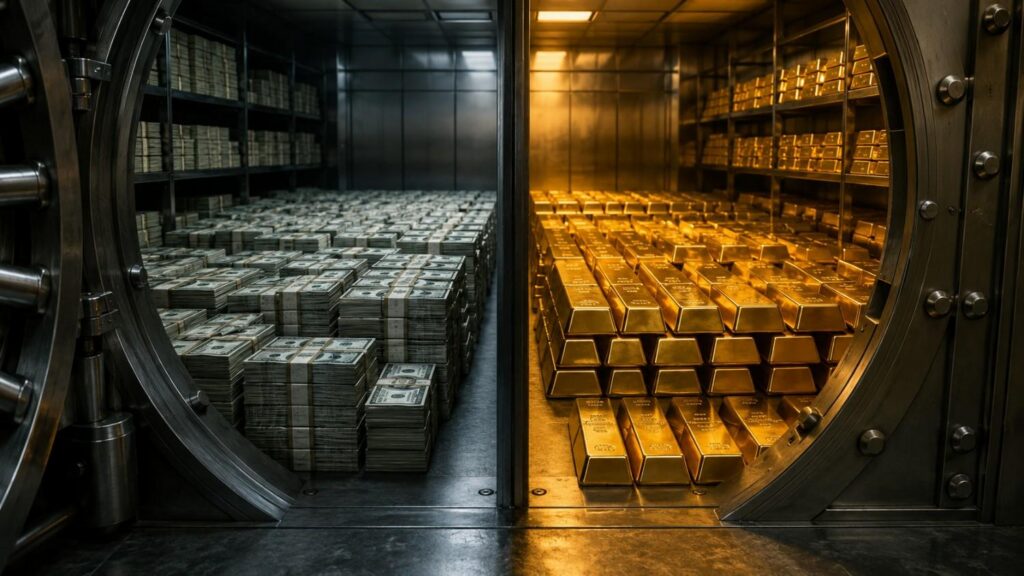
The petrodollar system gave the US dollar its dominance for 50 years — every country needed dollars to buy oil, and oil exporters recycled those dollars back into US Treasuries. That arrangement is now shifting. Here is how the system worked, why it is under stress, and why central banks are choosing gold as the alternative reserve asset.
What Is Purchasing Power — and Why Every Dollar You Save Is Slowly Being Taxed Away
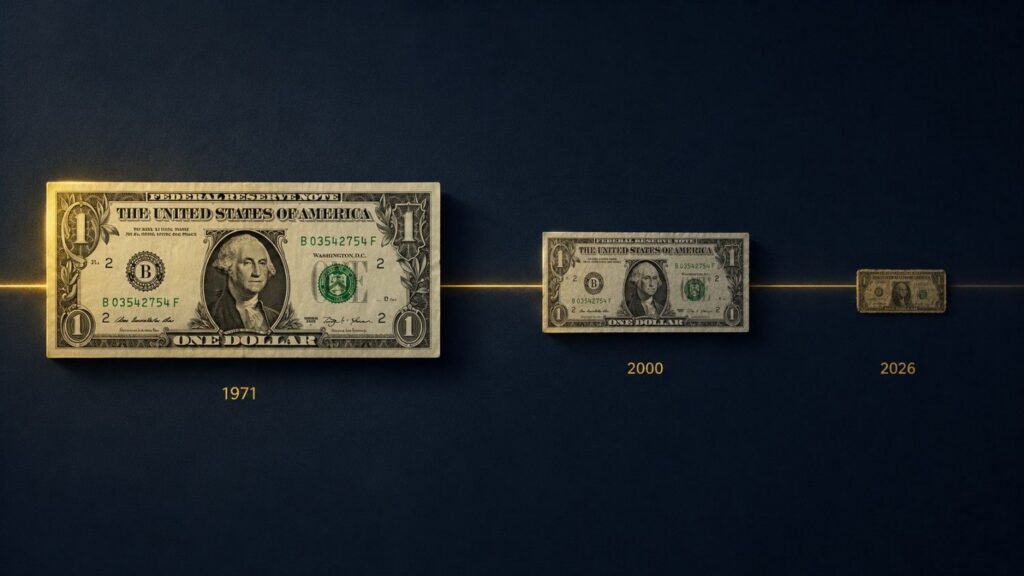
The dollar has lost 87% of its purchasing power since 1971. Learn what purchasing power actually is, why fiat currency erodes it, and why gold doesn’t.
Who Wrote the Federal Reserve Act? Wall Street Did.

In 1913, Congress passed a law to control the banks. The men who drafted it were bankers. The dollar has lost more than 96% of its purchasing power since. That outcome wasn’t accidental — it was architectural.
Gold Confiscation: Could the Government Take Your Gold Again?
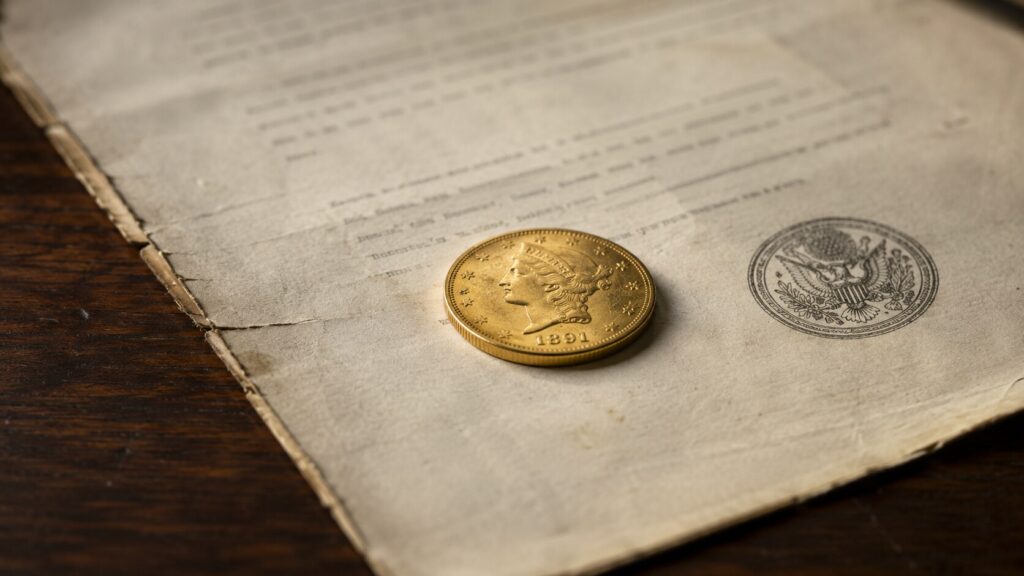
In 1933, the US government ordered Americans to surrender their gold at $20.67 an ounce — then revalued it to $35 and kept the difference. It was legal. It worked. But five major crises have passed since private ownership was restored in 1975, and confiscation has not happened once. Here is what actually changed, why the legal bar is now substantially higher, and what modern allocated ownership means for the question every gold investor eventually asks.
What Happens to Gold and Silver When the Dollar Loses Its Reserve Status?
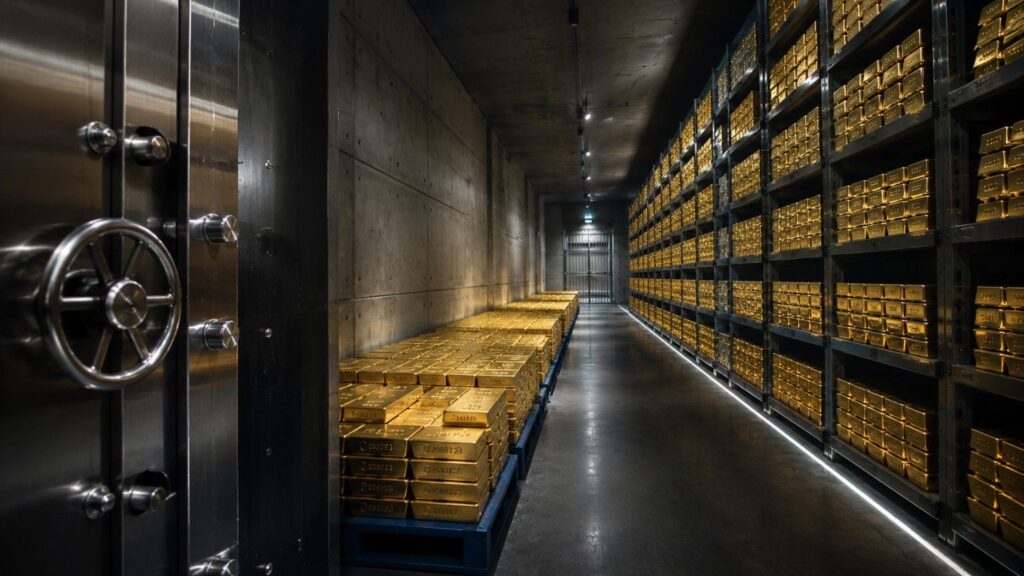
The dollar’s reserve currency status has never been permanent — and history shows that when monetary systems shift, gold and silver are where capital moves. Here’s what a reserve currency transition could mean for precious metals investors.
7 Timeless Warren Buffett Rules for Gold & Silver Investors
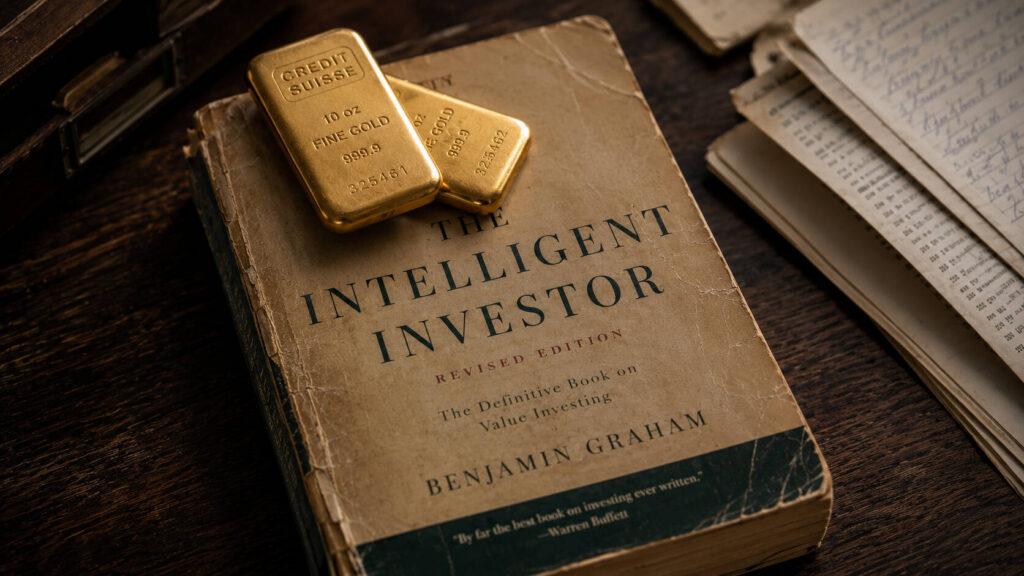
Warren Buffett has avoided gold for decades — but his 7 core investment principles map almost perfectly onto the long-term case for owning physical gold and silver. Here’s how the Oracle of Omaha’s rules apply to precious metals investors.
You Don’t Need a Printing Press to Crash a Currency
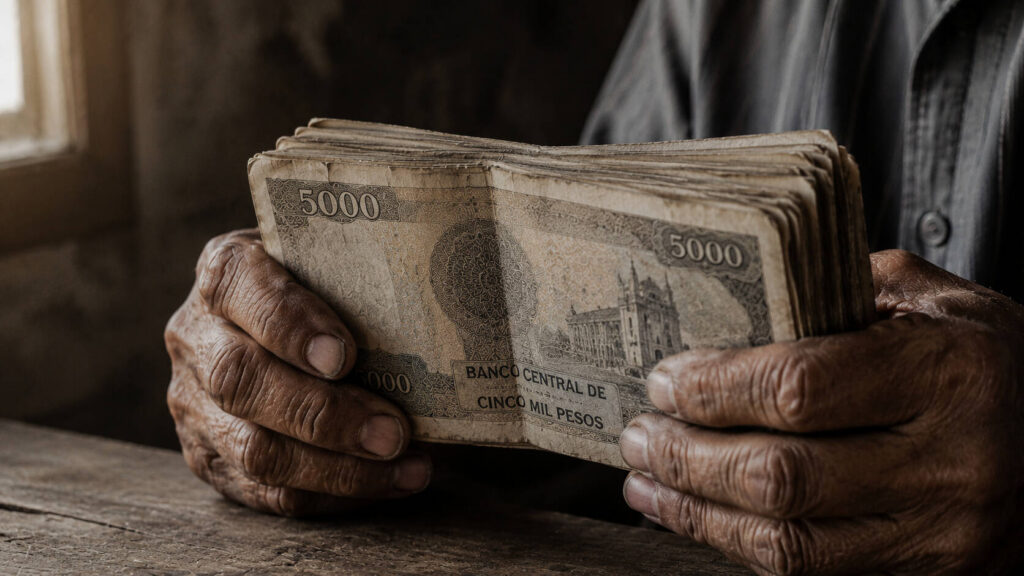
Hyperinflation doesn’t always start at the printing press. When people stop trusting a currency, its purchasing power can collapse overnight. History — from Weimar to Zimbabwe — shows why gold endures when faith in paper money fails.