Silver Rises Over 120% YTD


Why the 10-5-3 Rule Fails Gold and Silver Investors

Excerpt:
The 10-5-3 rule helps investors set return expectations for stocks, bonds, and cash. But gold and silver aren’t paper assets — and measuring them with a framework built for yield and earnings leads to the wrong conclusions every time. Here’s what precious metals investors use instead.
Buying the Top: A Survival Guide for Gold and Silver Investors
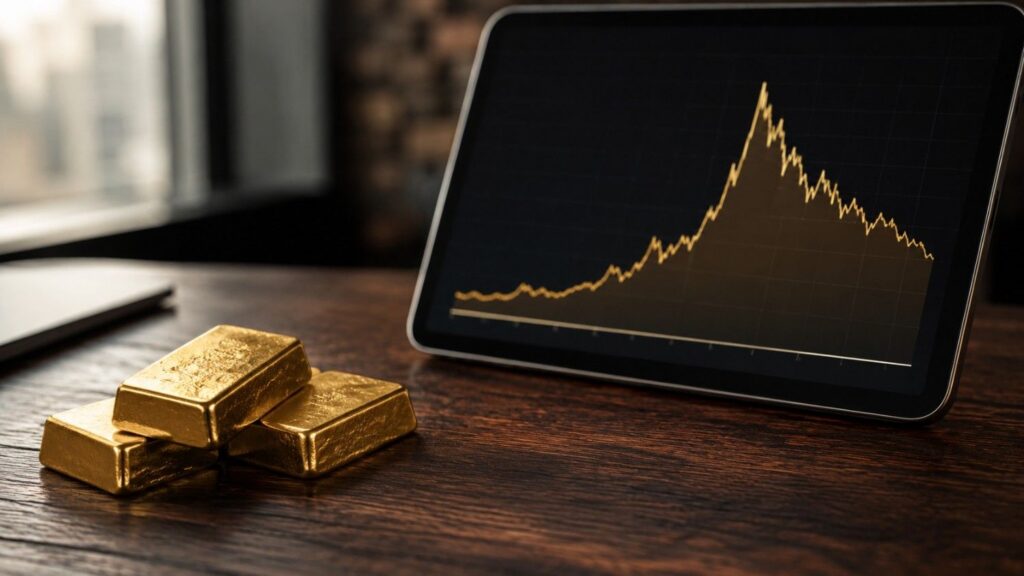
Gold hit $5,589 in January 2026. It trades near $4,100 today. If you bought near the top, your paper loss is real — but it is not final. This guide walks through your three strategic paths: hold patiently, dollar-cost average at lower prices, or harvest the tax loss and immediately repurchase. The structural case for gold has not changed. The price has.
Dollar-Cost Averaging Into Gold and Silver: The Investor’s Practical Guide

Most investors who want to own gold and silver never build the position they intend — not because the strategy is wrong, but because they keep waiting for the perfect moment to buy. Dollar-cost averaging solves that problem. This guide explains the mechanism, shows the math, and gives you a practical plan to build a precious metals position systematically — without needing to predict prices.
Gold or Silver Price Dip: Temporary Correction or Trend Reversal?
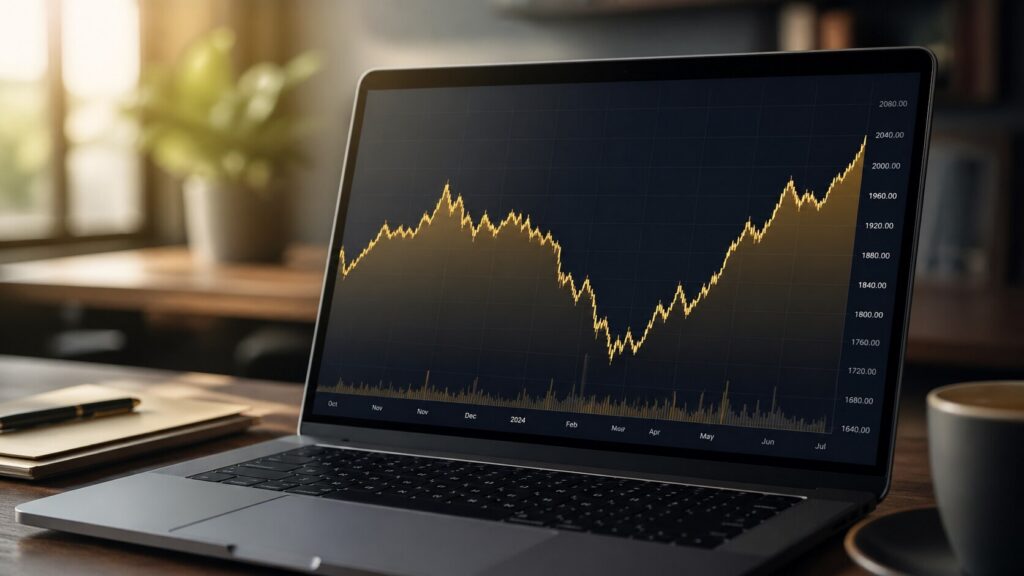
When gold or silver prices fall, the real question isn’t how far — it’s why. Learn how to read a price dip, spot the difference between a healthy correction and a genuine trend reversal, and respond with a strategy instead of emotion.
Fewer Losses, Better Returns: How Gold and Silver Diversify Your Portfolio

Gold and silver have long been trusted tools for protecting wealth. Discover the role precious metals play in portfolio diversification, inflation hedging, and safeguarding your financial future during economic uncertainty.
Why Silver Is More Volatile Than Gold (And Why It Matters for Investors)
Silver often moves more dramatically than gold—but the reason isn’t random. Learn why silver is more volatile than gold, from its smaller market and rigid supply to industrial demand and leveraged futures trading. Understanding these forces can help investors better navigate silver’s bigger price swings.
Gold Silver Prices: Short-Term Noise, Long-Term Signal
Gold and silver prices are full of short-term noise—daily swings driven by Fed commentary, currency moves, and speculative trading. But underneath the volatility lies a consistent long-term signal. Learn how to tell the difference, what structural forces actually drive precious metals prices over time, and how to build a strategy that stays focused on what matters most.
Gold vs Silver: The Liquidity Difference That Matters

Liquidity isn’t just about whether you can sell—it’s about how fast, how cleanly, and at what cost. Gold and silver both trade globally, but they don’t behave the same way when markets are stressed or timing matters. Gold maintains tight spreads and deep buyer networks even under pressure, while silver’s liquidity becomes complicated as dollar values increase. Understanding these practical differences helps investors allocate intelligently and avoid costly surprises when they need to act.
What the Falling Gold-to-Silver Ratio Means for Investors
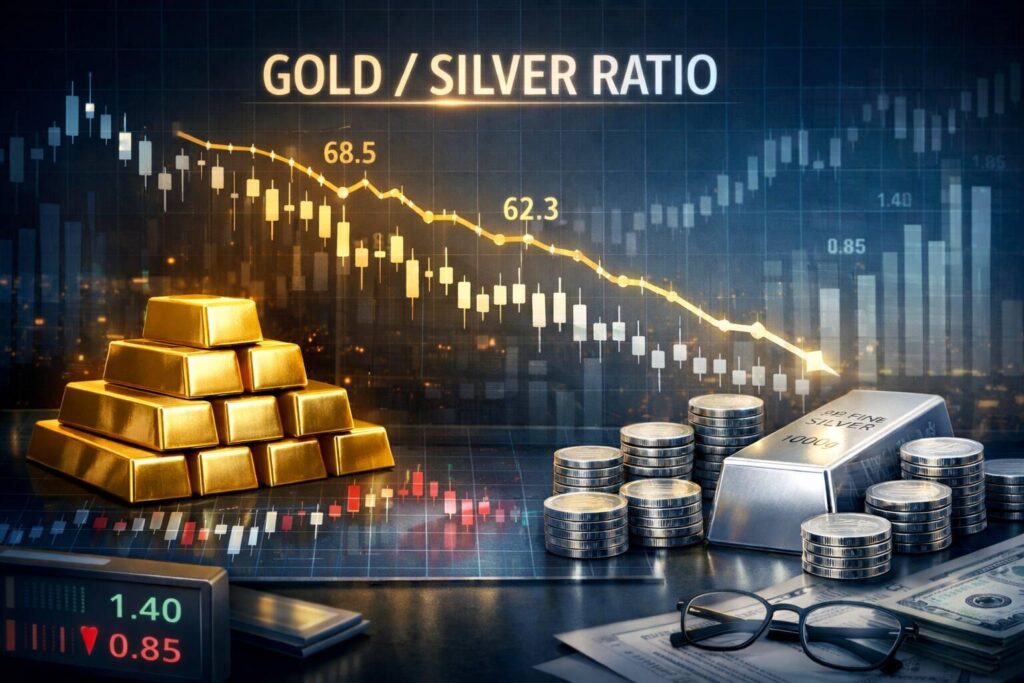
The gold-to-silver ratio is experiencing significant shifts that present strategic opportunities for precious metals investors. Understanding why this key metric is falling—from surging industrial demand to economic recovery signals—can help you optimize your portfolio allocation between gold and silver. Learn how to use this powerful valuation tool to time your investments and discover specific strategies tailored to your risk tolerance.
If You’re Wrong About Inflation… What Saves You Then?

At the New Orleans Investment Conference, Mike Maloney answered a crucial question: are bonds still a safe haven? His answer was clear — in an era of endless debt and currency creation, gold and silver, not bonds, are the true insurance against systemic risk.