 Silver Rises Over 120% YTD




Gold and Silver Jump After a Mixed CPI Report. The CFTC Positioning Split Says More.

Gold and silver reversed hard today after a mixed CPI report, up roughly 2% apiece. But last week’s CFTC data shows speculators cutting gold bets while adding to silver bets, a split that may matter more than today’s bounce for what comes next.
Core Inflation Just Ran Hot. Gold and Silver Rallied Anyway.

Core CPI ran hotter than forecast today, and Fed hike odds jumped to 90% — yet gold and silver both kept rising. Here’s the mechanism the market is actually trading.
Gold and Silver Fall as Hot PPI Lifts Fed Rate-Hike Odds

August producer prices accelerated to a 5.4 percent annual pace, and traders responded by pricing in 60 percent odds of a Fed rate hike, a reversal that pulled both metals lower even as the long-term case for owning them held firm.
Gold’s Tiny Output Is Worth Twice Aluminum’s. Here Are Four More Signals Like It.

Gold is choppy near $4,400 today, but four other signals say more: gold’s output value against aluminum, LBMA’s conference filling a month early, UBS’s structural buy case, and silver’s own outperformance.
Fed Hike Odds Went From 54% to 26% to 58%. Now It’s a Coin Flip.

Fed rate-hike odds for the September 16 decision swung from 54% to 26% to 58% in six weeks. Here’s how the odds shifted, why gold tracked every move, and why crowded futures positioning is the real risk to watch.
Silver Broke $50 After 45 Years. It Still Isn’t the Real Record.
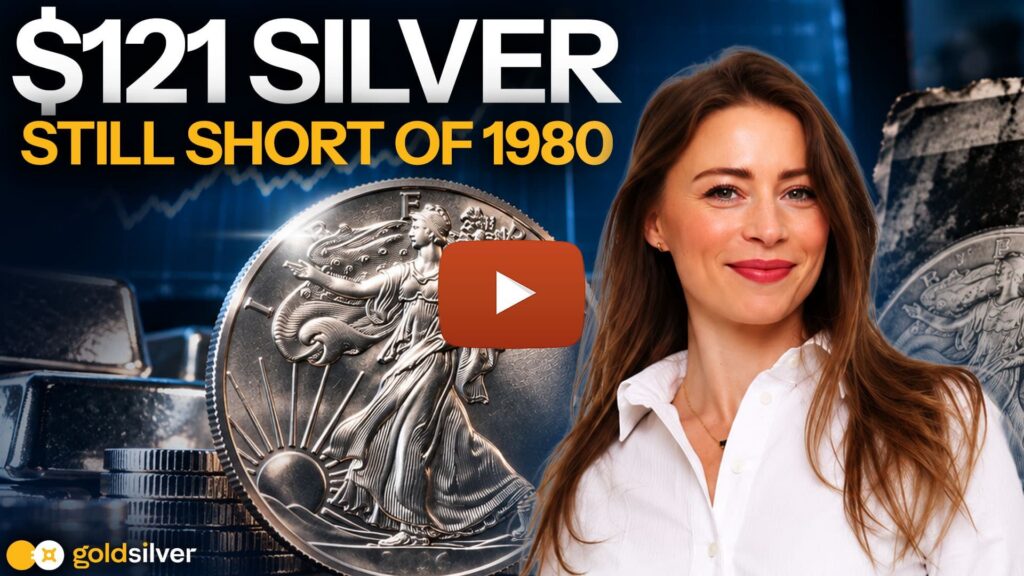
Silver broke $50 for the first time in 45 years in January 2026 and kept going to $121.62. Here’s why the ceiling finally gave way, and why silver’s real record is still out of reach.
Gold Is Falling Today. Four Other Signals Say the Hard-Assets Trade Isn’t.
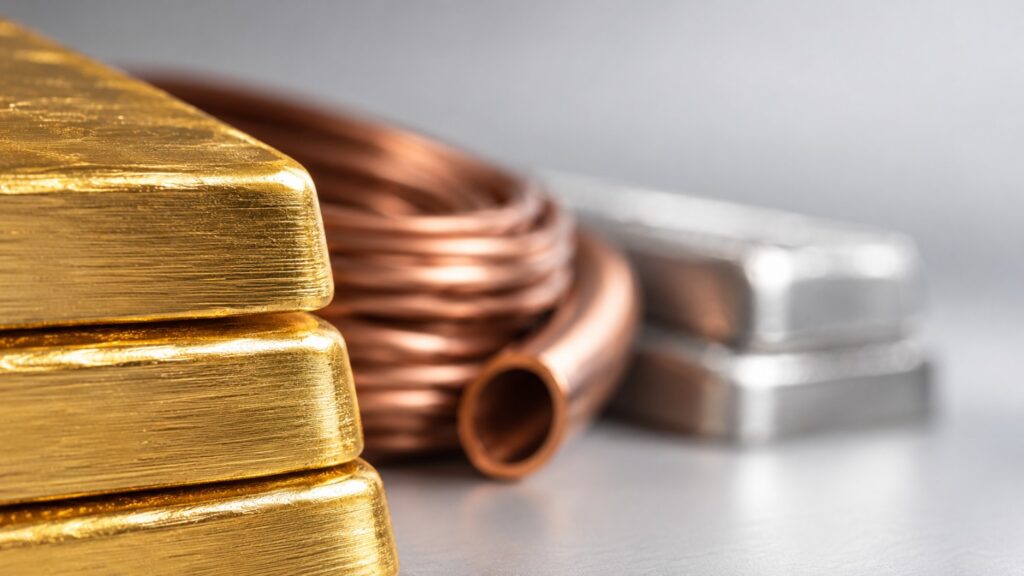
Gold dipped today, but four other signals disagree: copper hit a record high, UBS raised its silver forecast, mining stocks are outperforming bullion, and Tether keeps buying physical gold every week.
Gold Is Falling for a Reason Most Investors Have Backwards

Most investors assume a Middle East flare-up is automatically bullish for gold. This time it wasn’t. The real driver behind the drop is an oil shock feeding straight into the Fed rate decision, not a safe-haven failure.
The BLS Revised April Up 64,000, Then Down 31,000. Gold Traded the First Print.
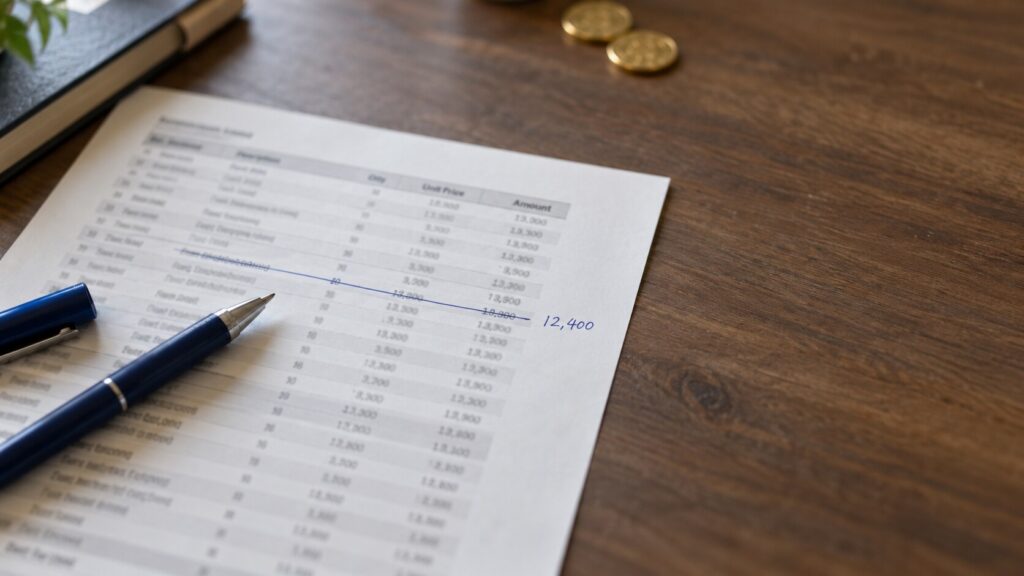
August payrolls beat every published forecast by more than 100,000, and gold sold off on it. But the BLS has revised this same series by nearly as much, twice this year, in both directions. Horizon, not accuracy, is the variable a holder controls.
Gold and Silver Drop as August Payrolls Blow Past Forecasts. Four Other Threads Moved Today Too.
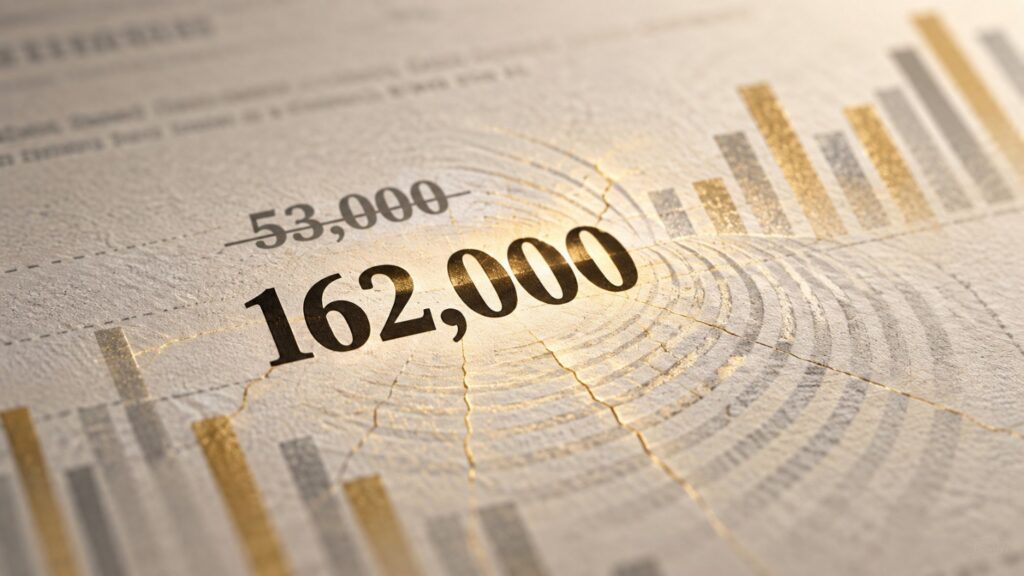
August payrolls landed at 162,000 against a 53,000 consensus, and gold and silver felt it immediately. Four other threads moved the same morning: silver’s fight to hold $65 support, AI showing up in the jobs data, central bank buying, and a widely shared claim about gold overtaking Treasuries that doesn’t hold up.


