 Silver Rises Over 120% YTD




What Does an Inverted Yield Curve Mean for Gold Prices — and How Do You Use It?

The bond market’s most reliable recession warning has a direct connection to gold prices. Here is the mechanism — and what it means for your portfolio.
Zero Tankers Crossed Hormuz on Sunday. Oil Hit $89. Gold Barely Moved.

The 60-day US-Iran MOU expired this weekend with no replacement deal. Shipping through the Strait of Hormuz collapsed to zero. Oil climbed. Gold held. Here is why the non-reaction is actually the most important signal in this story.
Gold Rebounds to $4,392 as Sentiment Crashes to 51 and Inflation Expectations Rise
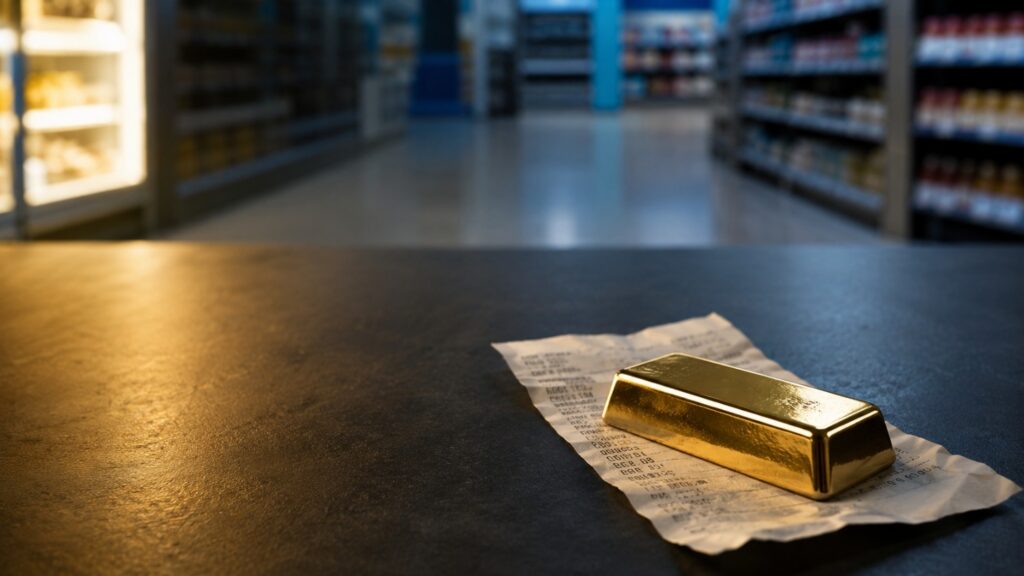
The University of Michigan’s August Consumer Sentiment Index fell to 51 — missing the 54.5 consensus and ending two months of improvement — while inflation expectations rose to 4.3%. The simultaneous drop in growth confidence and rise in price expectations creates a stagflation signal that limits the Federal Reserve’s options and extends gold’s tailwind heading into September.
Jackson Hole Is 14 Days Away. What Warsh Says Could Move Gold More Than Any Inflation Print.

Fed Chair Warsh calls Jackson Hole a chance to frame “the big questions.” Here’s the real-yield mechanism that makes his August 27 speech the most important gold catalyst of the month.
Two Inflation Numbers Come Out Every Month. The Fed Only Cares About One.
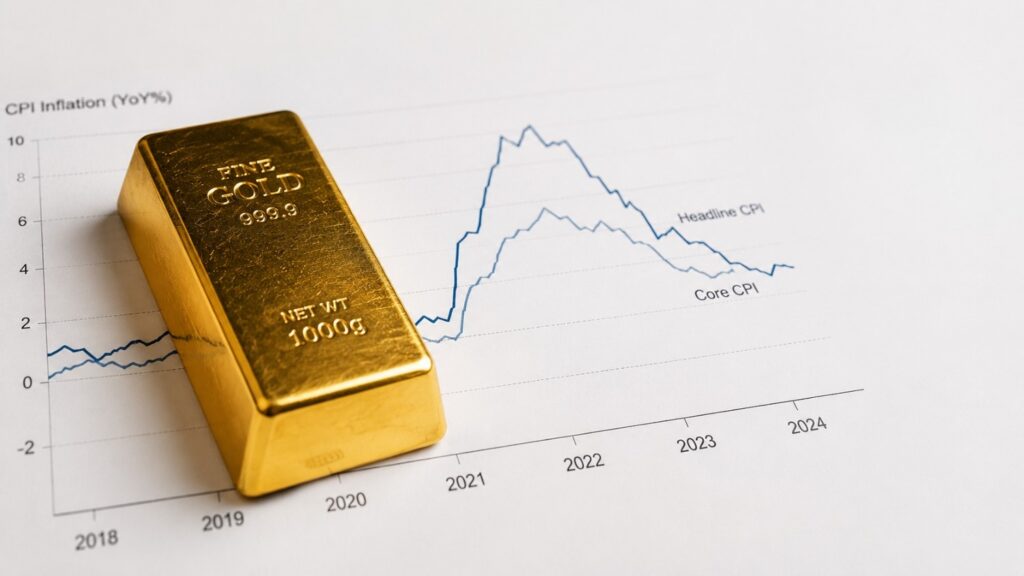
The Fed releases two inflation numbers every month — headline CPI and core CPI. They tell very different stories, and the Fed only acts on one of them. Here is what each measure captures, why the Fed leans on core PCE to set interest rates, and why that gap between what you pay and what the Fed watches matters for gold investors.
Five Unrelated Forces All Moved Gold and Silver Higher Today. That Doesn’t Happen Often.
Five unrelated forces moved gold and silver higher on August 12, 2026 — and their convergence on a single session is rarer than it looks. July CPI landed clean, China’s central bank extended its record 21-month buying streak, gold entered overbought territory for the first time since March, silver’s dual engines fired simultaneously, and the Strait of Hormuz remains closed. Here is what each one means.
Gold Climbs 1% Ahead of July CPI. Here Is Why the Print Matters More Than the Number.

Gold climbed above $4,427 on Wednesday as markets positioned ahead of the July CPI release and cut September Fed hike odds to 50-50. Here is the real-yield mechanism driving the move — and why the structural case is unchanged regardless of the print.
Why Gold Rose While the World’s Biggest Gold Miner Fell
Gold hit a two-month high while Barrick stock dropped 6%. Same commodity, opposite reaction. Here’s why — and what it means for physical gold owners.
American Gold Buffalo Coin: The Complete Guide to the U.S. Mint’s Purest Gold
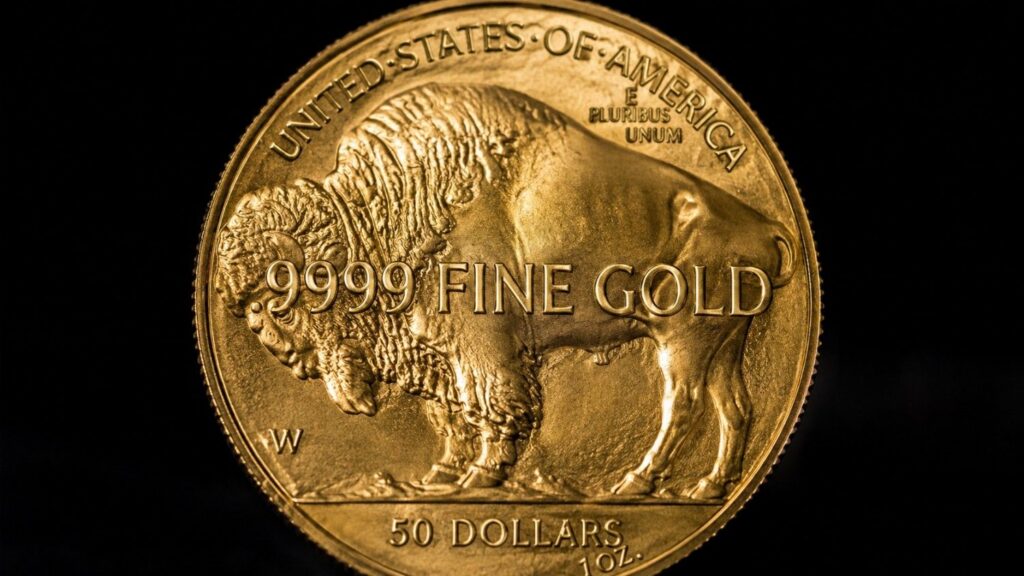
The American Gold Buffalo is the only .9999 fine (24-karat) gold bullion coin the U.S. Mint produces. Here is how it compares to the Gold Eagle, who it suits, and what investors need to know about purity, IRA eligibility, and premiums.
Who Really Owns the World’s Gold? The Answer May Surprise You.
Most people assume central banks, China, or Wall Street own the world’s gold. The real breakdown is stranger — and where Western investors sit in that picture should give every saver pause.


