 Silver Rises Over 120% YTD




$88 Billion a Month: Why U.S. Debt Is Driving Gold Prices
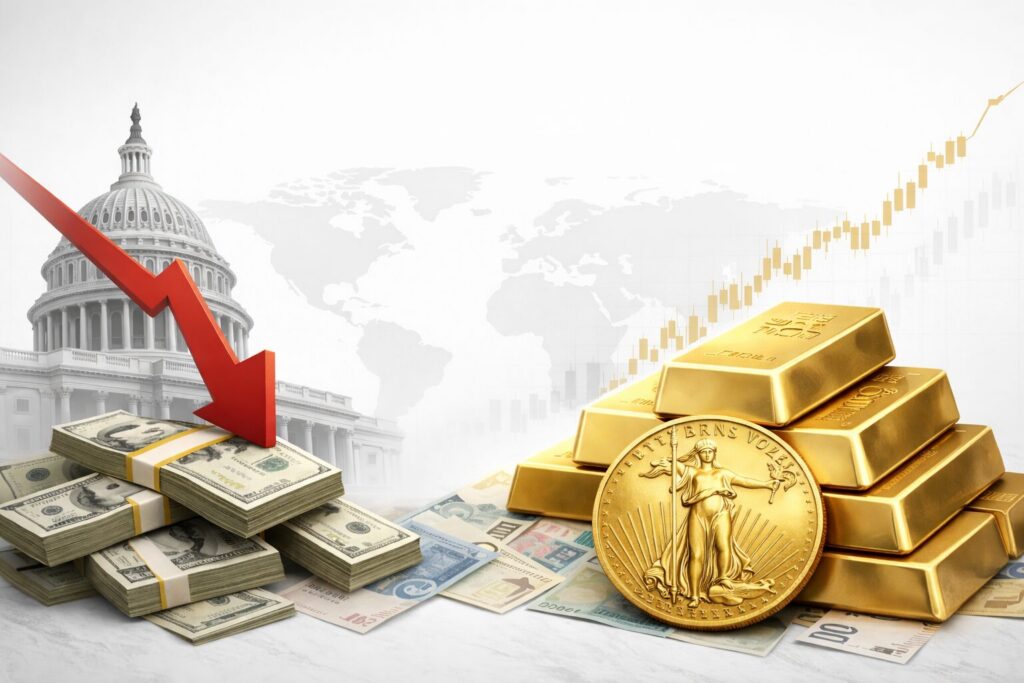
Does US debt drive gold prices? The CBO confirmed the U.S. paid $529 billion in interest in just the first half of fiscal 2026 — $88 billion a month. Gold is at record highs and climbing. Here’s the fiscal mechanism every saver needs to understand before the next $88 billion bill arrives.
Hot PCE, Stalling Growth, and an Oil Crisis That Isn’t Over
PCE inflation came in at 2.8% year-over-year in February — above the 2.6% forecast and unchanged from January. Combined with near-stalled Q4 GDP growth and an unresolved energy crisis, today’s data paints a complicated picture for the Fed and a familiar one for gold.
The Fed Is Stuck. Here’s What That Means for Gold.
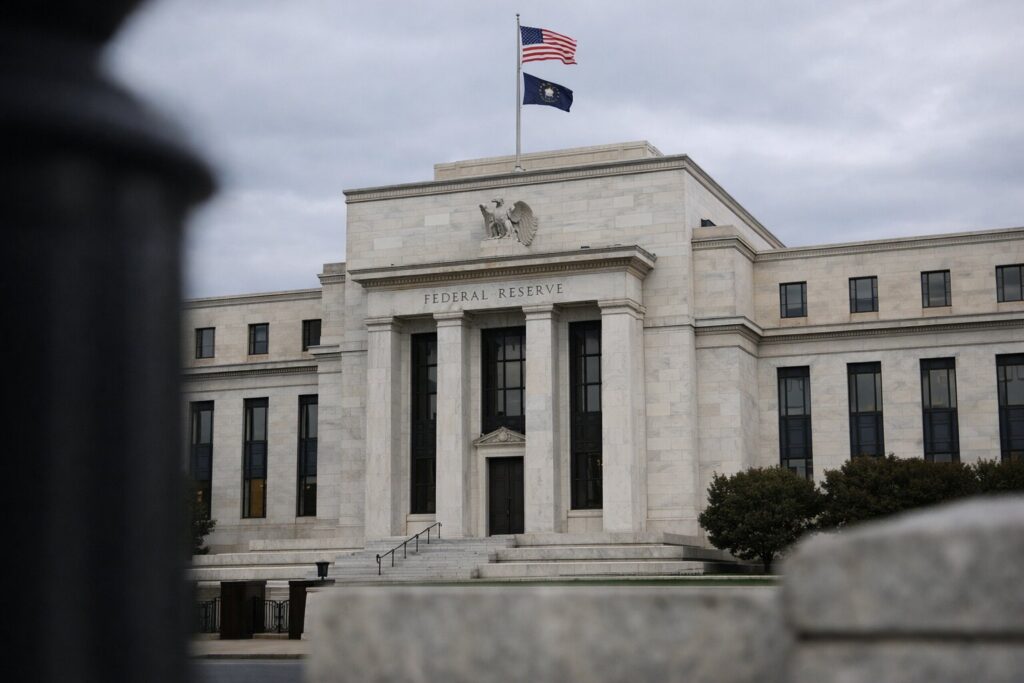
Iran’s parliamentary speaker says the U.S. violated the ceasefire within hours. Fed minutes show policymakers split on cuts vs. hikes. And gold has historically moved when the Fed can’t signal its next step — a pattern playing out right now.
Iran Ceasefire Sends Gold to $4,800 — Now What?

Gold is pushing toward $4,800 and silver jumped nearly 6% after a U.S.-Iran ceasefire reopened the Strait of Hormuz. But this rally isn’t just about the war pausing — central banks, dollar weakness, and monetary debasement remain the structural bid under precious metals.
War Risk, Stagflation Signals, and a $6,300 Gold Target

Iran’s 8PM deadline looms, oil is above $100, and March jobs data quietly revised away 400,000 positions. JPMorgan sees a buying signal in miners. China just hit an 8-year silver import high. The macro picture is moving fast.
Gold and Oil Brace for the Strait of Hormuz Deadline

Tonight’s Strait of Hormuz deadline puts gold, oil, and markets at a crossroads. WTI is above $110, gold is holding near $4,665, and analysts say a ceasefire deal before 8 PM ET remains unlikely. Here’s what each outcome means for investors.
What’s Driving Gold and Silver Prices This Week
Gold and silver whipsawed on conflicting ceasefire signals as Trump paused Iran strikes and Tehran denied any talks. Meanwhile, gas crossed $4 for the first time since 2022 — and Friday’s CPI print could reset inflation expectations.
What Happens to Gold and Silver During Stagflation?
When inflation stays high and economic growth stalls, traditional investments struggle. Discover what history shows about gold and silver during stagflation — and why precious metals have historically been among the few assets that held their value.
Iran War Deadline Puts Gold and Silver Prices on Edge

Gold dropped to $4,600 before recovering. Silver bounced from $71 to $73. Meanwhile, Jamie Dimon named the Iran war as his top economic risk, Powell called job growth “effectively zero,” and markets braced for Tuesday’s Hormuz deadline.
Gold vs. Stocks in 2026: What Q1 Returns Show
The first quarter of 2026 ended with an unusually clear message: energy prices are surging, equities are suffering, and gold is holding its ground. A look at cross-asset returns shows where the conflict premium is showing up — and where it isn’t.


