Silver Rises Over 120% YTD


Published: 10-26-2026, 04:22 pm | Updated: 10-26-2026, 04:33 pm
Last verified October 2026.
Gerald Celente founded the Trends Research Institute and publishes the Trends Journal. He spoke with Megan King Diaz on The GoldSilver Show. Earlier this year, he called for $6,000 gold and $100 silver by December. He now says that call will not land. One event changed his math, and he explains it on camera.
Key Takeaways:
- Gerald Celente has walked back his $6,000 gold call for 2026 and now points to roughly $4,500.
- He blames the Iran war for breaking the pattern he expected between inflation and gold.
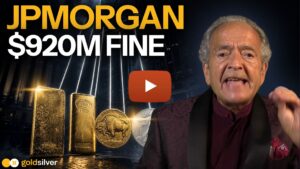
- JPMorgan’s 2020 metals-manipulation settlement actually totaled $920 million, not $950 million as Celente states. His wider point about rigging still stands [CFTC, September 29, 2020].
- Gold trades near $4,011 an ounce and silver near $53.90 as of October 26, 2026 [CME, October 26, 2026].
Why Did Gerald Celente’s $6,000 Gold Call Not Happen?
Celente has forecast trends for 48 years. Earlier in 2026, he set a clear bar. Gold would reach $6,000 and silver would clear $100 by December. For a while, both numbers looked within reach. Then the Iran war began. He says that single event reset the board.
“Nobody could predict the future,” Celente said. Too many wild cards sit outside any model, in his view. This year, the war was the wild card that mattered most. It pulled attention and capital away from the slow, steady case inflation alone was building for gold.
His revised number is lower, yet still notable. He now expects gold near $4,500 this year, not $6,000. He adds one more data point for later. Celente cites an October 16, 2026, Financial Times piece forecasting new gold records by 2028. He calls it a guess, but a telling one.
Here is the mechanism behind his original logic, still intact beneath the revision. Inflation erodes currency, so each dollar buys less over time. Gold tends to hold its purchasing power better than cash, so demand for it often rises when inflation runs hot. That link did not break this year. The war simply overwhelmed it for a few months.
The Knowledge That Changes Everything
Two essential guides — yours free. Understand why gold matters and why fiat currencies always fail.
What Does Celente Mean When He Calls the Market ‘Rigged’?
Two separate pillars hold up Celente’s rigged-market argument. The first is legal history. The second is ownership concentration. Both, in his view, point to one structural story.
On the first pillar, Celente cites JPMorgan’s metals-market fine as proof regulators found real manipulation. He states the figure as $950 million. The actual number, from the CFTC and Department of Justice’s 2020 settlement, is $920 million in fines, restitution, and disgorgement. That penalty covered spoofing in precious metals and Treasury futures from 2008 to 2016 [CFTC, September 29, 2020]. The settlement itself was real, and JPMorgan admitted wrongdoing. Only the dollar figure in the interview runs about $30 million high.
On the second pillar, Celente argues a small slice of companies and owners now dominate the stock market. Six companies, he says, account for roughly 45% of the S&P 500’s value. The top 1% of Americans, he adds, own most US equities outright. Vanguard, State Street, and BlackRock also hold an outsized share of that index through fund ownership, in his account. These figures come from Celente, not from independent verification here. They describe a concentration debate that has run for years among market strategists.
Together, the two pillars support his larger claim. The market, in his telling, moves on the decisions of a narrower group than most investors assume.
Why Does Celente Say Gold Still Has a Long Runway Past 2026?
Celente remains structurally bullish on gold despite the walked-back year-end number. His reasoning splits into a personal rule and a macro case.
The personal rule is simple. “You buy it and you put it away,” he said, describing decades of steady purchases rather than trades. His own buying began near $167 an ounce, and he has held through every cycle since. He never tries to time tops or bottoms, he says. Asked directly, he confirmed he still buys on a rolling basis regardless of the daily price.
The macro case leans on central bank behavior outside the United States. Celente points to gold-selling pressure from Russia, Turkey, and Mexico. He ties that selling to those governments’ rising debt loads. China, by contrast, keeps accumulating gold while its export economy expands, in his account. He frames this as part of a wider shift, where countries grow tired of relying on the US financial system.
None of this, Celente stresses, is financial advice. It is simply the logic behind a multi-decade position he has not changed, even after revising this year’s target.
What Is ‘Dragflation,’ and Why Does Celente Say We’re in It?
Celente uses a term he calls dragflation to describe today’s setup. One key difference sets it apart from stagflation. Stagflation describes an economy that stays flat while prices climb. Dragflation, as he defines it, describes an economy that is shrinking while prices climb at the same time.
Rising interest rates across most major economies drive this pattern, in his view. Central banks raise rates to fight inflation. Those same higher rates, however, slow growth further without bringing prices down quickly. The result, as he frames it, is falling growth paired with inflation that keeps climbing instead of easing.
Celente also argues official inflation figures understate the real rise in living costs. He cites his own estimates for home, auto, and food prices, each measured since recent global conflicts began. Each estimate runs higher than the matching headline consumer price figures. These numbers are Celente’s own estimates, not independently verified for this piece. He offers them as the gap between reported inflation and lived experience.
What Does the Full Interview Hold Back?
Celente covers far more ground than his two headline calls. He explains why he thinks the coming downturn could outpace the crash of 1929. He also answers the common argument that today’s AI companies carry real revenue the dot-com era never had. Beyond that, he breaks down how oil, diesel, and fertilizer costs feed into nearly every other price in the economy. Finally, he names the one geopolitical flashpoint he is watching most closely heading into the midterms.
None of those answers appear above. Delivered in his own words, his full reasoning carries more weight on camera than any summary can. The views in the interview are his own, and nothing here is financial advice.
Watch the full GoldSilver Show interview with Gerald Celente on YouTube
Stay On Top of Gold & Silver Prices
Get important market alerts sent straight to your inbox.
Disclaimer: This article is for informational purposes only and does not constitute investment advice. Past performance is not indicative of future results. Always consult a qualified financial advisor before making investment decisions.
You May Also Like:
- Peter Grandich: What Happens to Gold When Stocks Fall?
- Peter Grandich Sold Gold, But He’s Buying On the Dip
- Ronnie Stoeferle’s $8,900 Gold Forecast Comes With a Warning
- US May be on Brink of Massive Gold Revaluation
- Why Gold Ignored the Fed’s Fastest Rate Hikes in 40 Years
- The $145 Trillion Market That Moves Gold More Than the Fed
- A 6% Yield Could Make or Break Gold’s Rally
- Owning Gold Was a Crime When It Went Up 5x
- Jim Rickards Read the Exchange Rule Books. One Rule Decides Whether You Get the Gold.