Silver Rises Over 120% YTD




Published: 09-05-2025, 02:17 pm | Updated: 09-26-2025, 06:10 am

Imagine walking into a gold dealer’s shop. You see gold trading at $2,000 per ounce on the news, but when you ask to buy, the dealer quotes $2,040. When you ask what they’d pay if you were selling, they say $1,960. That $80 difference? That’s the bid-ask spread in action.
The bid-ask spread is the difference between what dealers pay you (the bid price) and what they charge you (the ask price). It’s essentially the cost of doing business in precious metals — and it directly impacts your investment returns.
Think of it as the “toll” you pay to enter and exit the market. A narrow spread means lower costs and better liquidity. A wide spread means you’ll need prices to rise significantly just to break even. For serious precious metals investors, mastering bid-ask spreads is as important as understanding the metals themselves.
What Drives Bid-Ask Spreads in Gold and Silver?
Not all precious metals products are created equal when it comes to spreads. Here’s what influences the gap between buying and selling prices:
1. Product Recognition and Demand
Government-minted coins like American Gold Eagles or Canadian Maple Leafs command the tightest spreads — often just 3-5% for gold coins. Why? They’re universally recognized, easily authenticated, and always in demand. Compare that to obscure private mint products, which might carry spreads of 10% or more.
2. Market Liquidity
The more actively a product trades, the narrower its spread. One-ounce gold bars from recognized refiners like PAMP Suisse or Credit Suisse enjoy tight spreads because dealers know they can quickly resell them. Unusual weights or lesser-known brands? Expect to pay more.
3. Dealer Competition
In major cities with multiple dealers, competition keeps spreads honest. Online dealers often offer better spreads than local shops due to lower overhead and higher volume. Always compare quotes from at least three sources.
4. Market Volatility
During calm markets, spreads stay tight. But when uncertainty strikes — like during the 2020 pandemic — spreads can balloon. Silver spreads jumped from 5-7% to over 20% as supply chains struggled to meet surging demand.
Gold vs. Silver: A Tale of Two Spreads
Here’s a crucial insight: gold consistently offers tighter bid-ask spreads than silver. Let’s break down why:
Gold’s advantages:
- Higher value density (more value per ounce means lower relative handling costs)
- Deeper, more mature market with institutional participation
- Typical spreads: 2-4% for popular coins, 1-2% for large bars
Silver’s challenges:
- Bulkier to store and transport (affecting dealer costs)
- More volatile due to industrial demand swings
- Typical spreads: 5-10% for coins, potentially wider during disruptions
This doesn’t make silver inferior — many investors prize its higher volatility for profit potential. But you must factor in these higher transaction costs when planning your strategy.
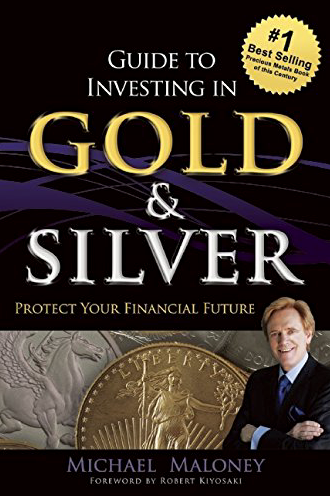
Wait! Don't Forget Your Free Book
Mike Maloney's #1 all-time bestselling investment guide.
Smart Strategies to Minimize Spread Impact
You can’t eliminate bid-ask spreads, but you can minimize their bite. Here’s how experienced investors do it:
Buy the Right Products
Stick to the “bread and butter” of precious metals. These products trade millions of times daily, ensuring you’ll always find a buyer and enjoy the tightest possible spreads.
- American Gold/Silver Eagles
- Canadian Gold/Silver Maple Leafs
- Standard weight bars (1 oz, 10 oz, 100 oz) from major refiners
- Avoid numismatic coins unless you’re a knowledgeable collector
Buy on Schedule, Not on Panic
During calm periods, competition keeps spreads tight and dealers hungry for business. But when fear strikes the market, spreads can double or triple overnight.
The lesson? Build your position when others are complacent, not when they’re panicking. Dollar-cost averaging helps too — spreading purchases over time naturally smooths out both price and spread volatility.
Work with the Right Dealers
Not all dealers are created equal. Online dealers typically beat local shops on price thanks to lower overhead and higher volume, but local dealers offer something valuable: immediate possession and no shipping risk.
The smartest approach is to compare both options for each purchase. Look for dealers who post real-time, transparent pricing — if they’re hiding their spreads, they’re probably hiding other things too.
Think Long-Term
Spreads matter less the longer you hold. That intimidating 5% spread on silver? Over a 10-year holding period, it averages out to just 0.5% annually — less than most mutual fund expense ratios.
Physical precious metals are wealth preservation tools, not day-trading vehicles. Once you embrace this long-term mindset, those upfront spreads become much less daunting.
The Hidden Cost That Matters
Bid-ask spreads are the “hidden” cost of precious metals investing — invisible until you buy or sell, but always present. Gold’s tighter spreads make it ideal for larger investments and shorter holding periods. Silver’s wider spreads require a longer-term perspective but offer greater upside potential.
By understanding these dynamics and following smart buying practices, you ensure more of your wealth stays in your hands rather than the dealer’s. Remember: in precious metals investing, it’s not just what you buy, but how efficiently you buy it that determines your ultimate success.
Investing in Physical Metals Made Easy

Bid-Ask Spreads: Your Essential Questions Answered
What exactly are bid-ask spreads in precious metals?
The bid-ask spread is the difference between the dealer’s selling price (ask) and buying price (bid) for gold and silver. For example, if a dealer sells gold at $2,040/oz but only pays $1,960/oz, the spread is $80 or about 4%.
Why do bid-ask spreads matter for my investment returns?
Spreads represent your immediate “loss” when buying precious metals. If you buy gold with a 4% spread, the price must rise 4% before you break even. Understanding spreads helps you calculate true investment costs and set realistic profit targets.
Which has better spreads — gold coins or gold bars?
Generally, larger gold bars (100+ ounces) have the tightest spreads (1-2%), followed by smaller bars and popular government coins (2-4%). However, coins offer better divisibility and recognition, which may offset their slightly higher spreads.
How do online dealers compare to local coin shops for spreads?
Online dealers typically offer narrower spreads due to higher volume and lower overhead. However, local dealers provide immediate delivery and no shipping costs. Compare total costs, including shipping and insurance, when evaluating options.
Should I use the same dealer for buying and selling?
While not required, selling back to your purchase dealer often yields better spreads. They know the product’s authenticity and may offer loyalty pricing. However, always get competitive quotes before selling.