 Silver Rises Over 120% YTD




The Debasement Trade Explained: Mechanism, History, and What It Means for Gold
Five years ago, “debasement trade” was Austrian economics jargon. Today Goldman Sachs, Citi, and J.P. Morgan use it in their research notes. Here’s what it means, why it works, and why gold and silver are the primary instruments.
The Buyer List for Gold Just Got Longer. These Countries Have Never Bought Before.
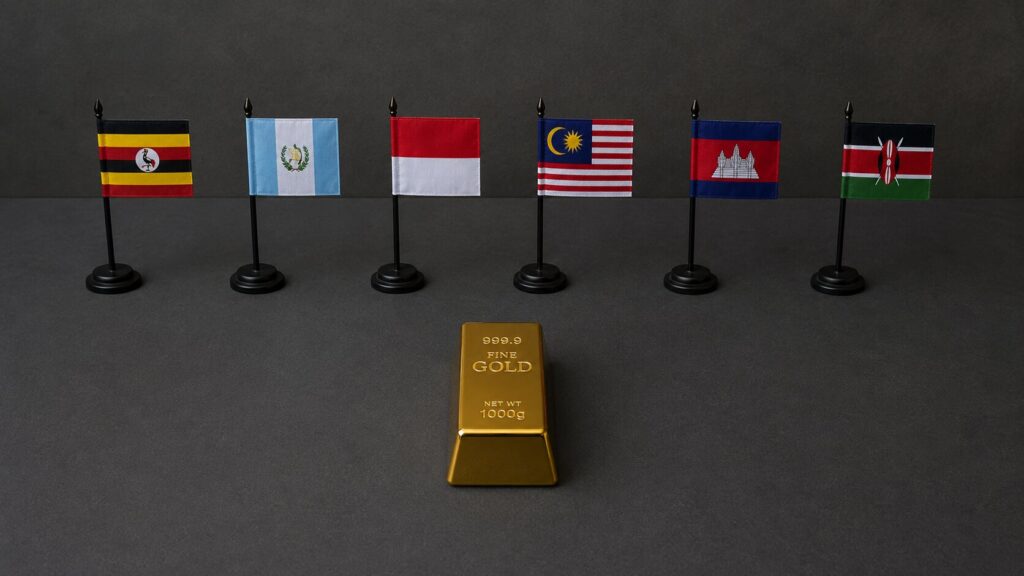
Central banks purchased a net 244 tonnes of gold in Q1 2026 — and for the first time, the buyer list includes countries like Guatemala, Indonesia, Malaysia, Cambodia, Uganda, and Kenya. Some are buying gold for the first time in their institutional history. Others are returning after decades of absence. Here is what the world’s most sophisticated reserve managers are telling you by voting with their balance sheets.
Bank of America’s $6,000 Gold Forecast Isn’t a Price Call. It’s a System Call.
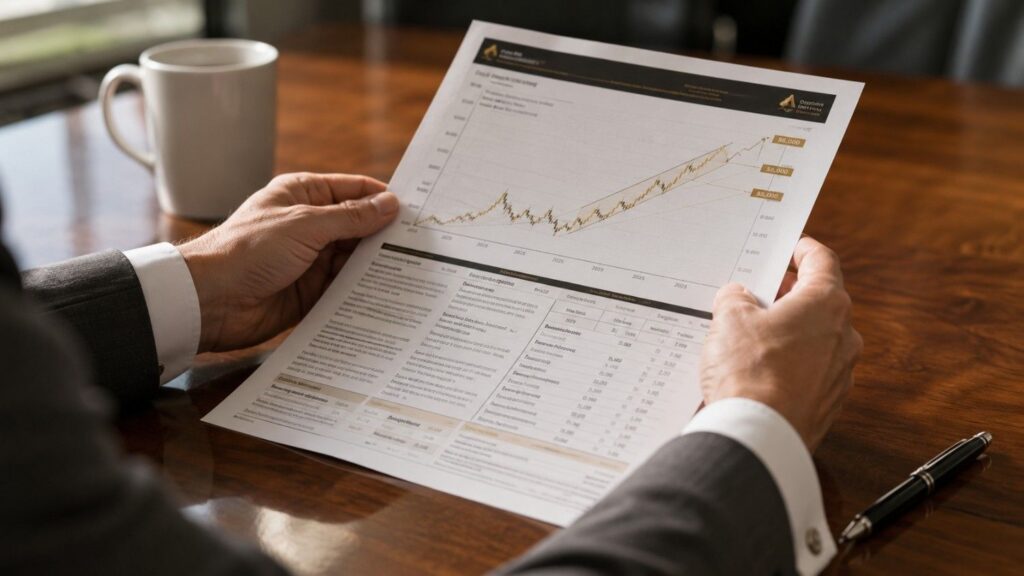
Bank of America has set a $6,000 gold price target for 2026. But the more important question isn’t whether gold gets there — it’s what the forecast reveals about the monetary system. The thesis rests on U.S. fiscal deterioration, record central bank buying, and a private investor base that’s barely started buying. Here’s what that means for anyone holding physical gold.
Why London Still Sets the Gold Price — and Asia Doesn’t
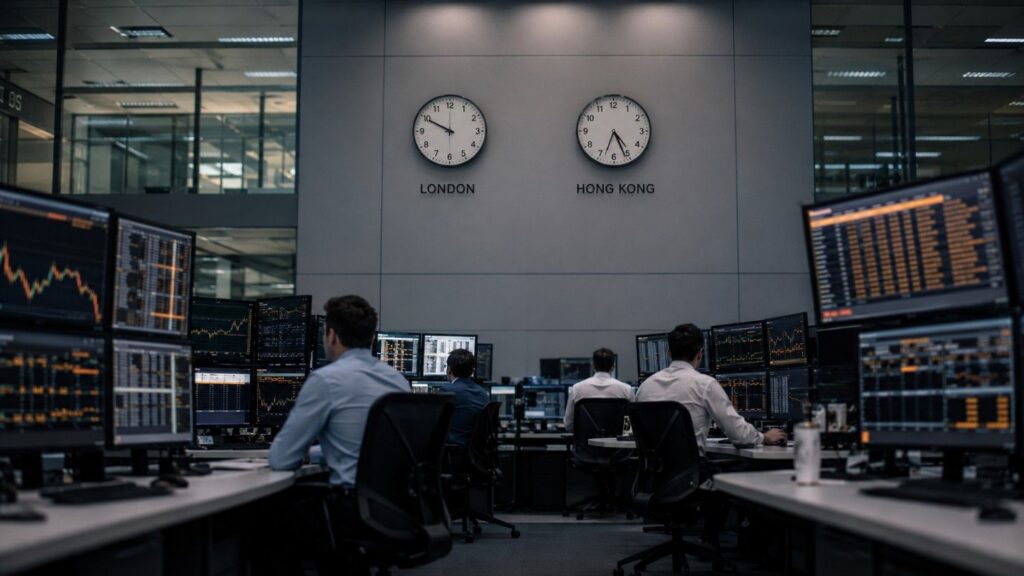
For almost a century, gold’s price has been set in London — by banks, in a paper market, in the wrong time zone. Hong Kong is building the infrastructure to challenge that. Here’s how it works and what it means.
Gold Didn’t Fall on Iran Peace News. That’s the Point.
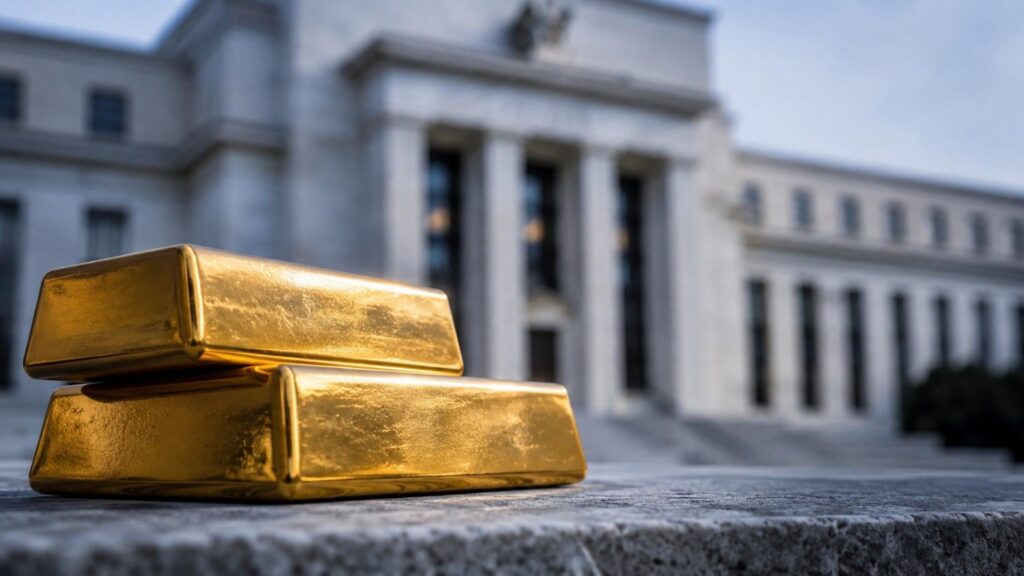
Trump called off a planned strike on Iran Monday afternoon. Oil fell over 1%. Gold slipped 0.23%. That’s not a non-event — it’s a signal. The gold price isn’t moving on war or peace news because it’s no longer the war holding it up. It’s the Fed trap: a central bank that can’t raise rates into a $39 trillion debt and can’t cut while inflation runs hot. Until that changes, the floor holds.
World Bank: Precious Metals to Surge 42% This Year
The World Bank’s April 2026 Commodity Markets Outlook projects a 42% surge for gold and silver — outpacing every other commodity class. Here’s what’s driving the forecast and what it means for long-term investors.
Gold Near $4,700: The Chaos Isn’t a Ceiling. It’s a Floor
Gold is holding near all-time highs because five institutional systems are under simultaneous stress: a new Fed chair inheriting uncontrollable inflation, mortgage rates at a six-month high, India’s gold market fracturing under a sudden import duty hike, a US-Iran ceasefire on life support, and a World Bank forecast of 42% precious metals gains in 2026. These aren’t five separate stories. They’re the same story told five ways.
Gold and Oil Move Opposite Ways. Here’s Why That Matters
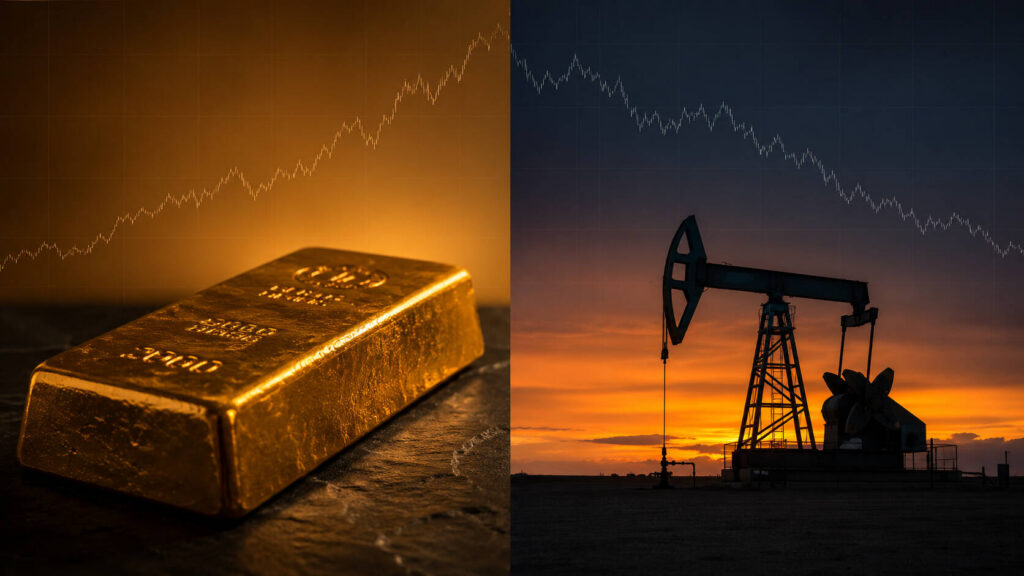
Gold is trading near $4,700/oz while Brent crude surged past $120/bbl before pulling back sharply. The two commodities keep moving in opposite directions — and the reason reveals something important about protecting wealth in volatile markets. (243 characters)
The Fed Is Frozen. The Debt Is Growing. Gold Is Watching.
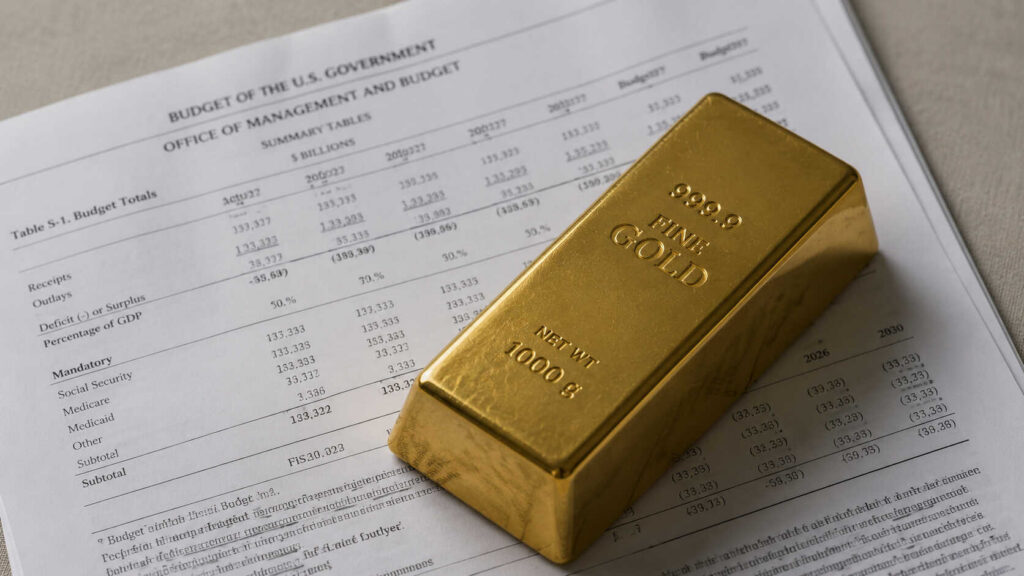
Five US data stories from May 6, 2026 — ADP jobs, ISM services prices, a Treasury debt warning, 10-year yields, and a federal court ruling — and what each one means for gold investors watching US fiscal pressure build in real time.
Silver vs. Gold: A Clear 5-Year Investment Guide (2026–2031)
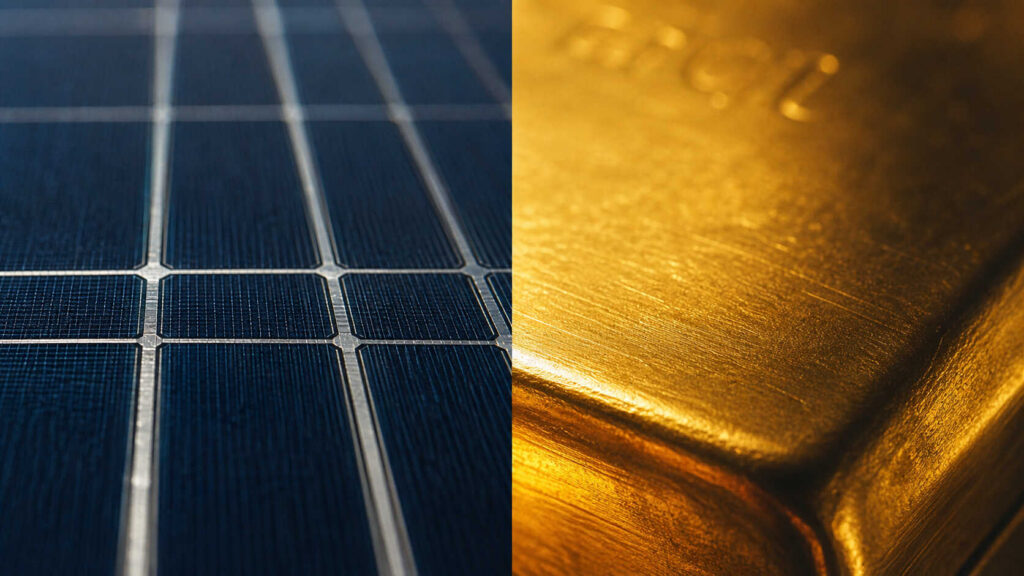
Gold has crossed $5,000. Silver has broken $100. With precious metals at historic highs, the silver vs gold investment debate has never been more relevant. This guide breaks down risk profiles, industrial demand, price forecasts, and portfolio allocation strategies to help you decide how to position your precious metals holdings for 2026–2031.


