 Silver Rises Over 120% YTD




Why Is Silver Up Today? The Iran Deal Changed the Fed Math
Silver is up while oil burns down. Most headlines are calling it a peace trade. They have the mechanism backwards. The real driver isn’t the war ending — it’s what cheaper oil does to Fed rate-hike expectations, real yields, and silver’s opportunity cost. Here’s the chain most coverage is missing.
Silver Fell 22% in 30 Days. Gold-Silver Ratio Hits 63.
Over the past 30 days, silver has fallen more than twice as fast as gold. The gold-silver ratio now sits at 63 — up more than 8 points in a month. That move has a name, a mechanism, and a track record. Here is what drove it, and what comes next.
Gold at Seven-Month Lows: Why Geopolitical Fear Is Not Enough

The Iran war should be pushing gold higher. Instead it is pushing the Federal Reserve toward rate hikes, suppressing the very safe haven the conflict should be lifting. Here is the mechanism behind five stories moving gold and silver today.
Silver Falls 6% on Jobs Beat. The Six-Year Deficit Didn’t.

Silver fell nearly 6% after May’s blowout jobs report sent rate hike odds to 67% and the 10-year Treasury to 4.54%. Gold dropped too — but only half as much. Here’s why: silver runs on two engines. The jobs report hit the monetary one hard. The industrial one — solar, EVs, AI infrastructure — didn’t flinch. And the World Silver Survey 2026 deficit of 46.3 million ounces? Unchanged. One Friday’s data moves prices. It doesn’t move ounces.
Gold Rate Hike Fears Are Weighing on Prices. Here’s the Full Picture.

Gold slipped to $4,448 this week as rate-hike fears and Middle East tensions drove a 2% weekly loss. Central banks bought 244 tonnes in Q1 2026 — yet retail demand has cooled sharply. With May jobs data due today and gold holding just above its 200-day moving average, here is what five key developments mean for anyone holding precious metals right now.
Gold at $4,500: What Fort Knox, China, and Silver Are Telling You
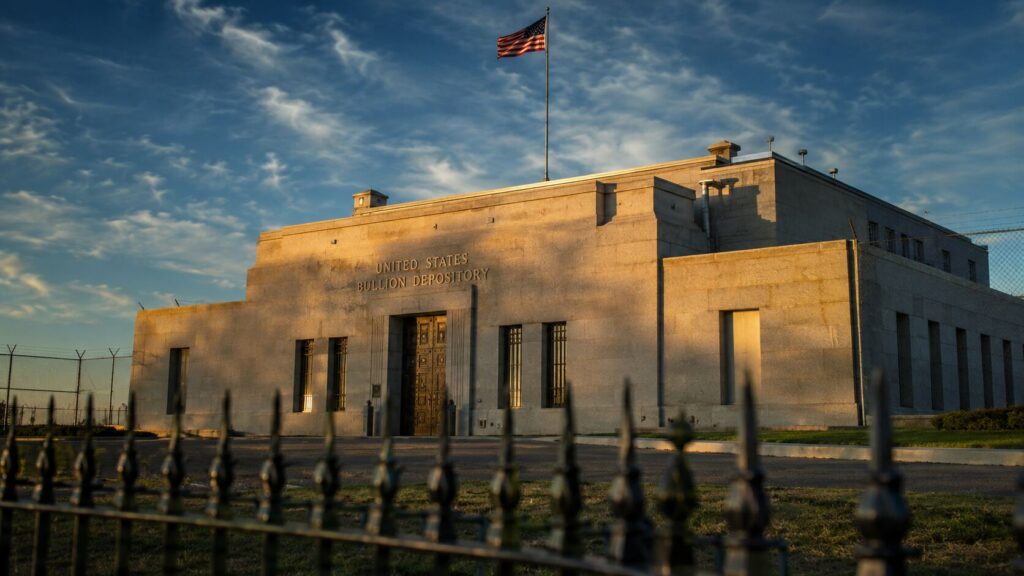
Fort Knox holds $662 billion in gold not independently audited since 1953. China has bought gold for 13 straight months. Manufacturers are signaling inflation isn’t finished. Fourteen states just made gold and silver constitutional money. And silver is outperforming gold 2:1 today. Five stories. One through-line. Here’s what they mean for your metals.
Silver Has Two Engines. Stagflation Is the One Condition That Fires Both at Once.
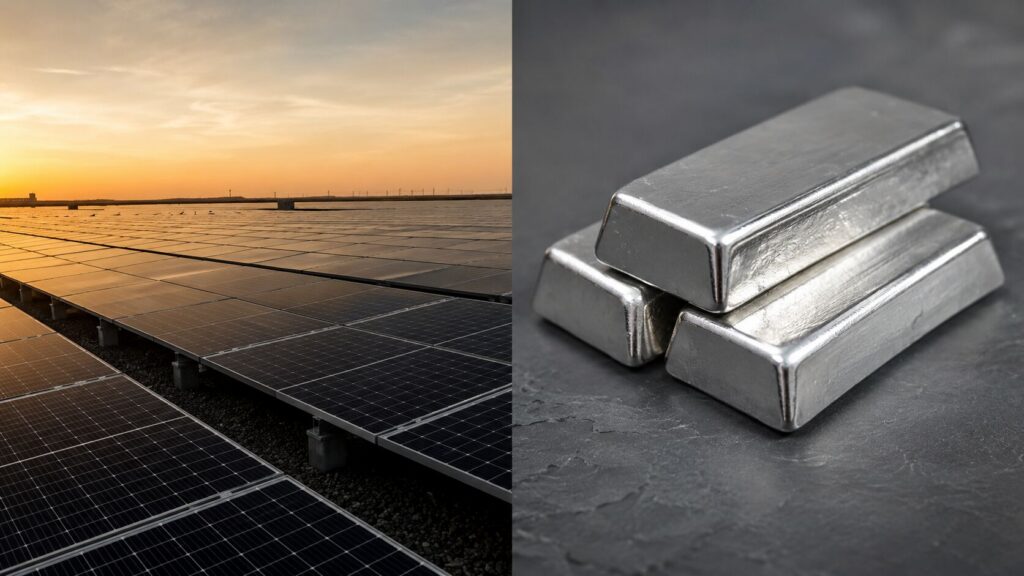
Most assets have a simple relationship with stagflation. Silver doesn’t. It answers to two entirely separate demand pools — industrial and monetary — that in most macro environments pull against each other. Stagflation is the rare condition where both pull in the same direction at once. Here’s why that matters for investors holding physical silver today.
Gold Won’t Break. The Fed Just Told You Why.
The Fed just released its most hawkish minutes in over a decade. December rate hike odds hit 40%. The dollar surged. Gold barely moved. That non-reaction is not confusion — it’s the market pricing a structural ceiling on how far this Fed can actually tighten. Here’s the mechanism behind it.
Trump Called Off the Strike. Gold’s Real Risk Is Still $39 Trillion.
Trump’s decision to pause a planned Iran strike sent gold swinging $45 intraday and crude oil down more than 2% — but the two metals told completely different stories. Oil priced out the geopolitical risk. Gold barely moved. Five briefs explain why: Iran is the catalyst, not the cause. The monetary fundamentals driving gold — $39 trillion in national debt, fifteen years of money creation, central banks in their fifteenth straight year of net buying — don’t get resolved by a phone call.
Dollar-Cost Averaging Into Gold and Silver: The Investor’s Practical Guide

Most investors who want to own gold and silver never build the position they intend — not because the strategy is wrong, but because they keep waiting for the perfect moment to buy. Dollar-cost averaging solves that problem. This guide explains the mechanism, shows the math, and gives you a practical plan to build a precious metals position systematically — without needing to predict prices.


