 Silver Rises Over 120% YTD




Central Bank Gold Buying: Why 39 Tonnes Matters

Central banks reported 39 tonnes of net gold purchases in August 2026. The latest data highlights multiyear reserve plans and practical lessons for physical gold owners.
The Case for Holding Gold Long Term

Long-term gold ownership is about more than price appreciation. Discover why physical gold, secure vaulting, and a patient approach can make wealth preservation simpler, without turning every market move into another decision.
Investors Turn to Treasuries as AI Stocks Slide

AI-stock weakness sent investors toward Treasury bonds as concerns about technology valuations intensified. Gold also drew attention as yields eased. Here’s what the latest market shift reveals about the different risks behind government debt and physical bullion.
Gold Rebounds Above $4,130: What Changed for Owners?

Gold fell 1.3% after the September CPI report, then recovered above $4,130. Here is what the reversal means for physical gold owners.
How 3.7% Inflation Impacts Wealth Preservation

U.S. inflation reached 3.7% in September 2026, but gasoline prices climbed 34.2%. Why the official rate may not match your household’s experience—and what it means for protecting purchasing power.
What Is Gold Backwardation? The Rare Signal That Struck 3 Times in 2025

Gold and silver flashed one of the rarest signals in precious metals three times in 2025. Here’s what backwardation means, why it kept happening, and why physical metal beats a paper promise when it strikes.
Gold Fields’ $27 Billion Bid Got Rejected. The Reason Is a Risk Bullion Doesn’t Carry.

Northern Star’s board unanimously rejected Gold Fields’ $27.1 billion takeover bid this week, citing jurisdictional risk in the stock-heavy offer and a shrinking premium. The decision is a clean example of a risk layer that physical gold buyers never have to weigh.
Gold Fell 1.62% Today. Gold Miners Didn’t. Here’s the Math.

Gold mining stocks didn’t fall as fast as bullion today. The reason is operating leverage, and its limits: miners carry reserve depletion, debt and equity risk that physical gold never does. Here’s the mechanism, and what it means for how you hold your metal.
Gold Price Outlook September 2026: What the Fed’s September 15-16 Meeting Means for Your Metals

Gold holds near $4,380 as hot August PPI lifts September hike odds toward 60%. Bank targets are unchanged, central banks are still buying, and here is what actually decides the Fed’s September 15-16 call.
Gold ETF Outflows Came From One Region. The Buying Came From Everywhere Else.
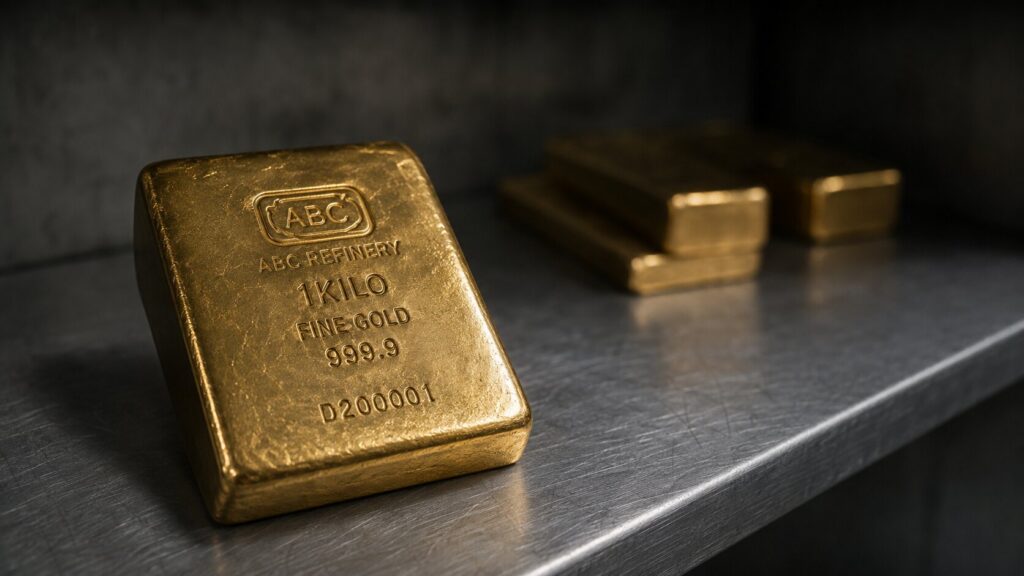
Gold ETF outflows in 2026 were not a market-wide verdict on gold. They came from one region. North America was the only region in net outflow across the first half, while Asia recorded its strongest first half on record. Here is what the regional split says about owning gold in paper form versus physical.


