 Silver Rises Over 120% YTD




How To Perform Silver Technical Analysis (in 5 Steps)
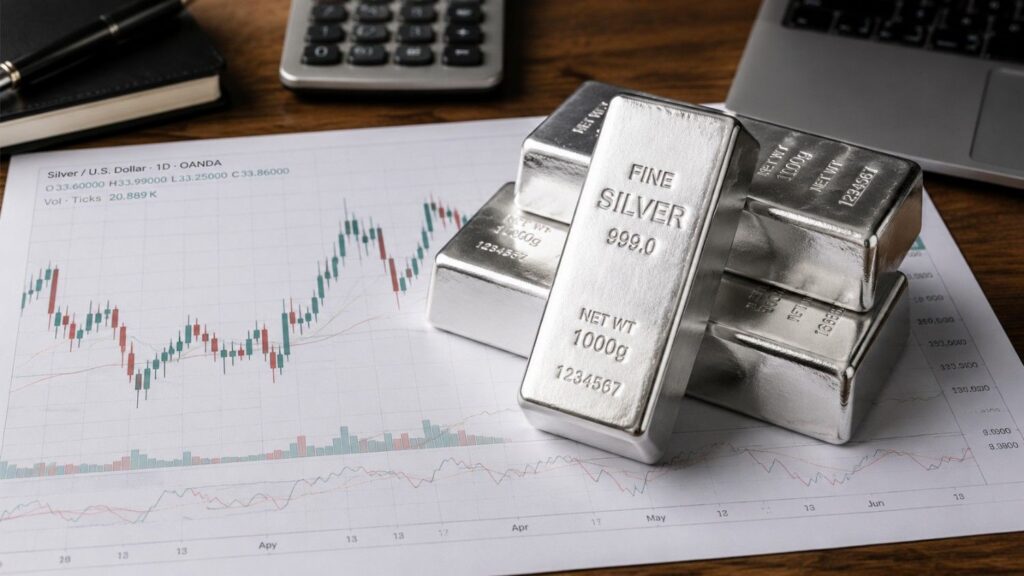
Silver technical analysis helps long-term investors use price charts, RSI, MACD, moving averages, and Fibonacci retracement to time entries and exits more intelligently — without abandoning the fundamental case for physical silver ownership.
How the Jobs Report Moves Gold and Silver: The Five-Step Chain Behind Every Move
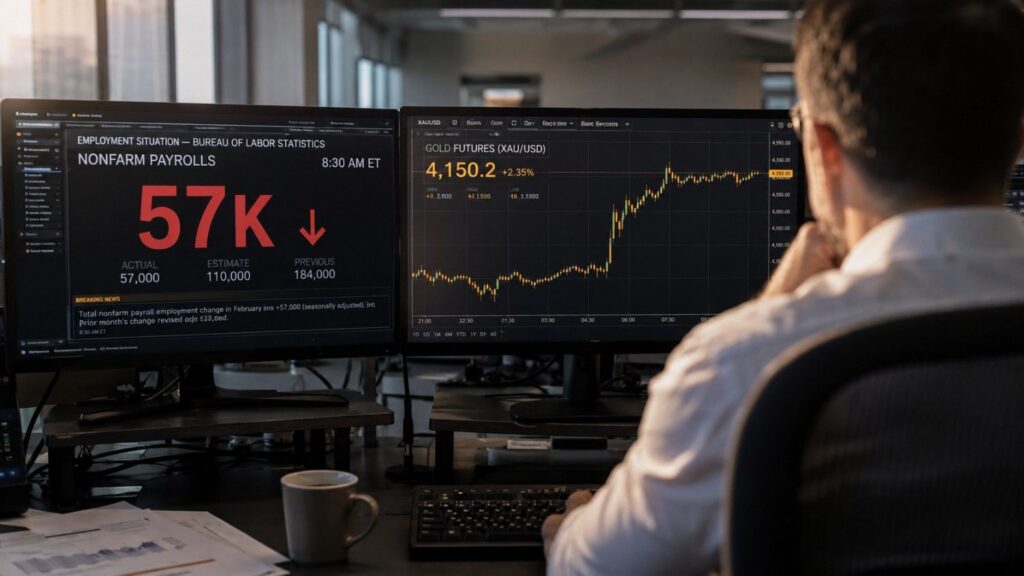
When the U.S. jobs report misses expectations, gold and silver prices typically rise. When payrolls beat, they fall. The relationship runs through a specific five-step chain — and once you understand it, the monthly reaction stops being a mystery.
What Is Profit Booking in Gold and Silver? The Mechanism Explained
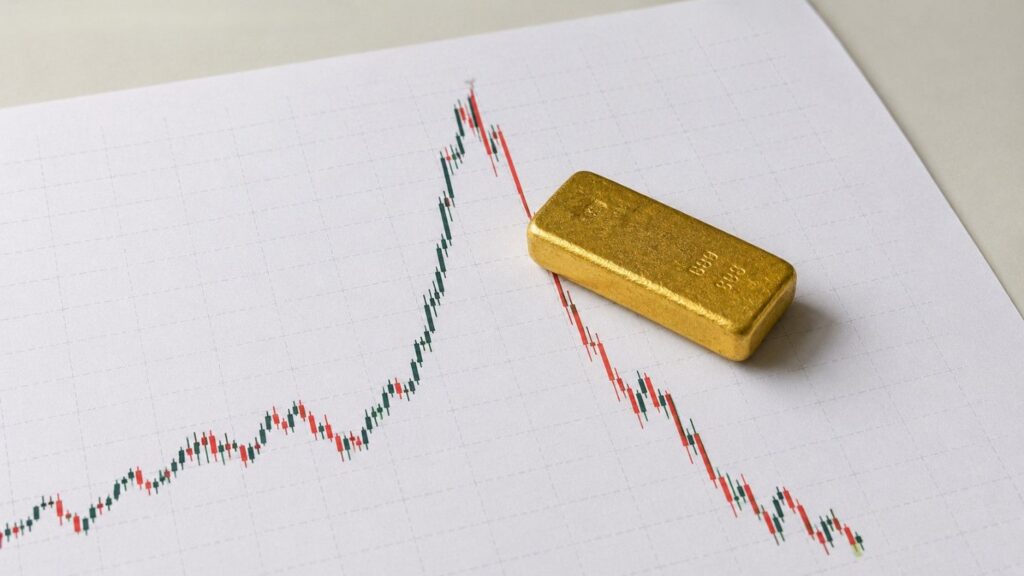
Profit booking in gold and silver means selling a position to lock in gains after a price rise — not a sign the bull market is over. This guide explains the mechanism behind the price dips, why silver falls harder than gold, and what it means for long-term holders of physical metal.
Silver Looks Like It’s Losing. The Ratio Says It’s Loading.
The gold-silver ratio just closed the week at 69.3:1 — near its highest level since the Iran war peak. The mechanism behind it is temporary. The setup it creates is not.
Why Is Silver’s Mining Margin So Wide? Tavi Costa Explains

Silver’s recent price drop looks significant. The math behind it tells a different story. Macro strategist Tavi Costa breaks down why the $46 spread between silver’s spot price and its average mining cost is the widest in recorded history — and why that number matters far more than where silver traded last week.
Why Is Silver Down 5%? The Gold-Silver Ratio Explains.
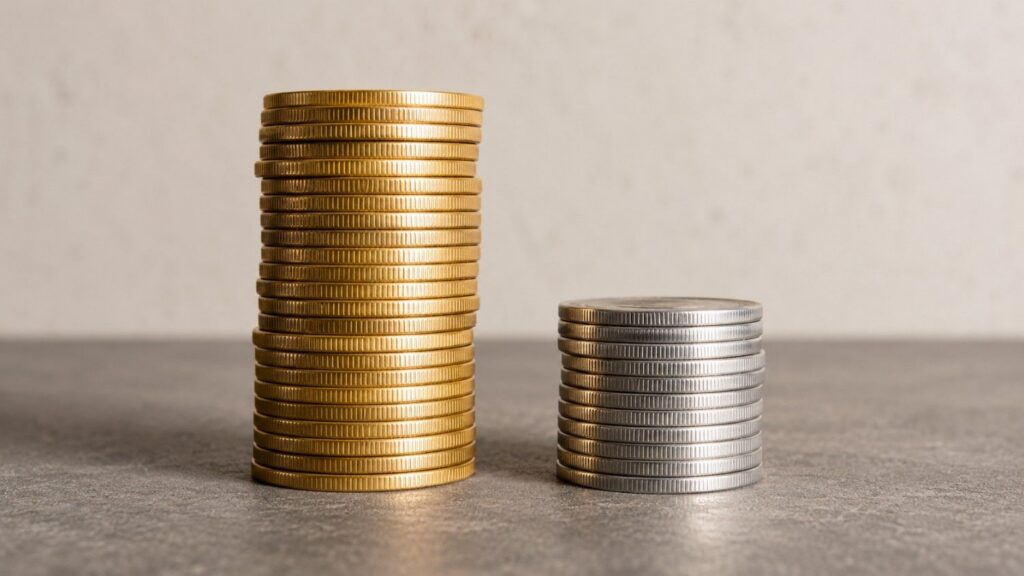
Gold is down 1.7% today. Silver is down 5.4%. The gold-silver ratio just hit 67 — and it’s not a valuation signal. It’s a real-time diagnostic of two forces colliding: the Iran peace dividend versus the Fed’s rate-hike threat. Here’s which one is winning, and why Thursday’s PCE report is the swing factor.
Is the Silver Rally Over? Tavi Costa Breaks Down the Selloff

Silver dropped more than 4% after Kevin Warsh’s first Fed press conference. Macro strategist Tavi Costa of Azoria Capital walks through the market signals, the dollar risk, and why the structural case for silver is unchanged.
Why Is Silver Up Today? The Iran Deal Changed the Fed Math
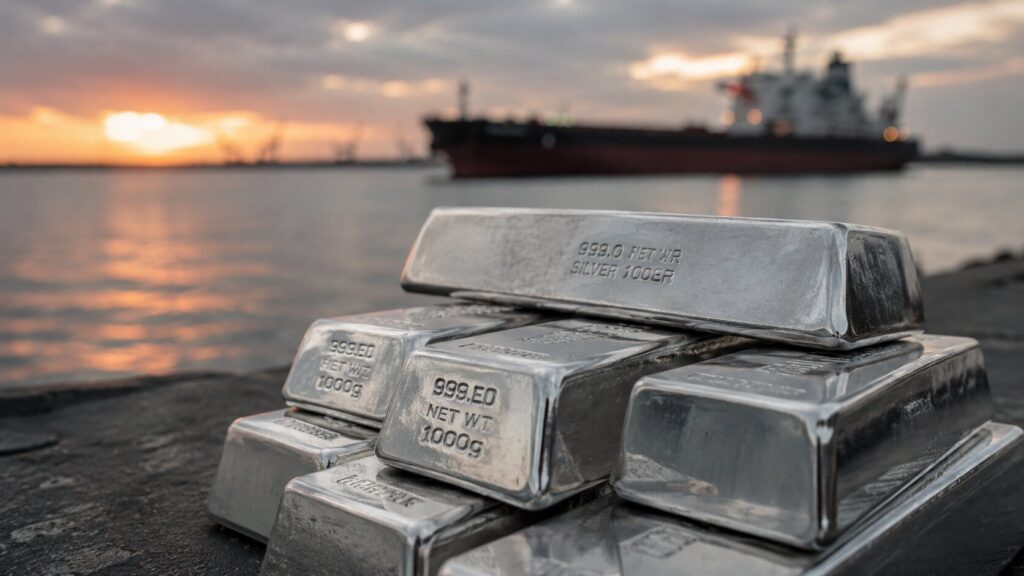
Silver is up while oil burns down. Most headlines are calling it a peace trade. They have the mechanism backwards. The real driver isn’t the war ending — it’s what cheaper oil does to Fed rate-hike expectations, real yields, and silver’s opportunity cost. Here’s the chain most coverage is missing.
Silver Fell 22% in 30 Days. Gold-Silver Ratio Hits 63.
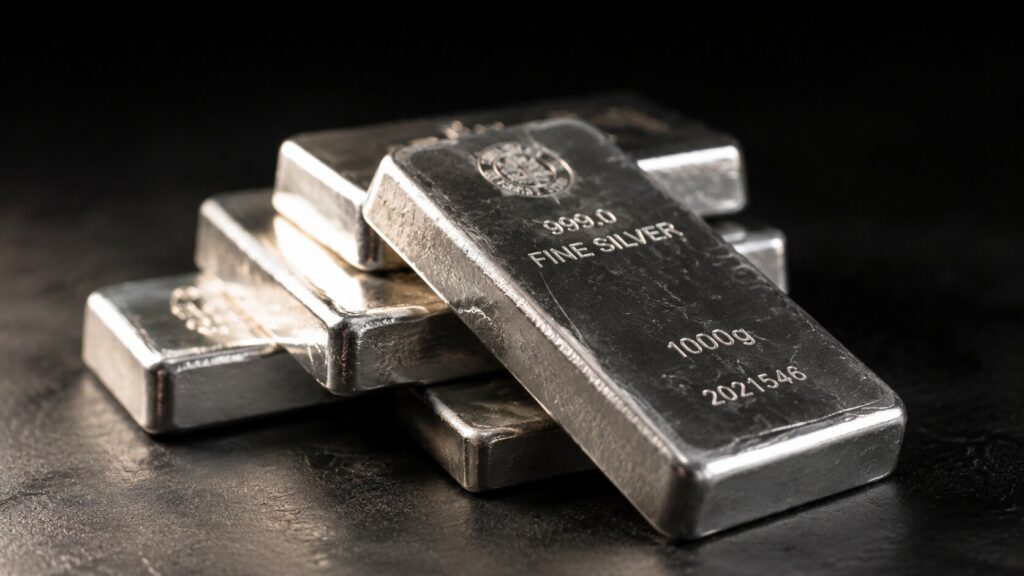
Over the past 30 days, silver has fallen more than twice as fast as gold. The gold-silver ratio now sits at 63 — up more than 8 points in a month. That move has a name, a mechanism, and a track record. Here is what drove it, and what comes next.
Silver Eagle vs. Maple Leaf vs. Britannia: Which Gives You More Silver?

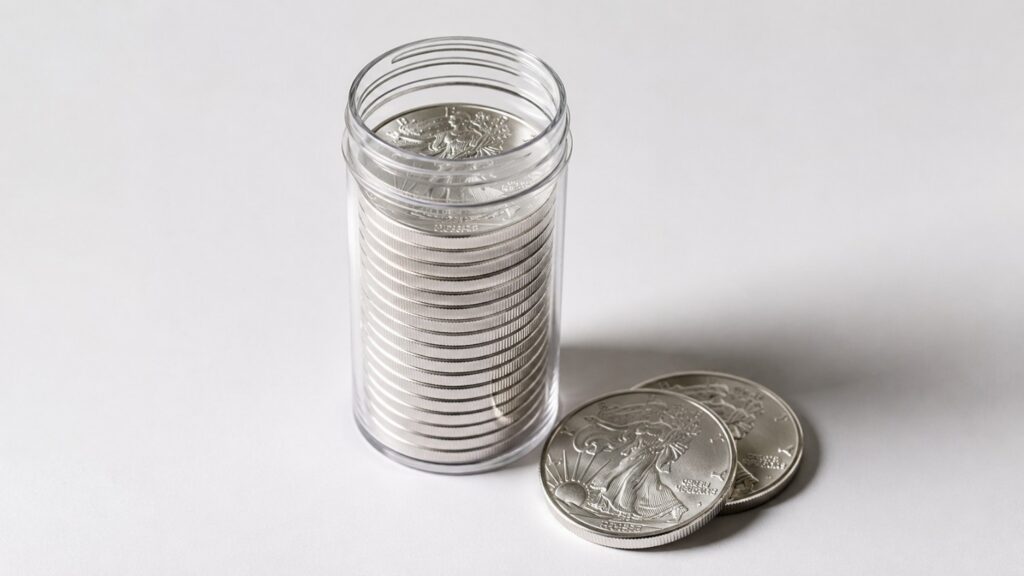
Three government-backed silver coins. Same troy ounce. Different premiums. At $63 silver, the gap between the most and least expensive coin buys you an extra ounce per 20 purchased.


