 Silver Rises Over 120% YTD




1980’s Misery Index Hit 22. Here’s Where We Actually Stand Today.

The 1970s misery index peaked at 22. Today’s number is a fraction of that, but the fight brewing at the Fed says the comparison isn’t over yet.
Is Stagflation Already Here? A Mortgage Veteran Says Yes — and Explains Why

A 40-year banking veteran says stagflation isn’t coming, it’s already here. Christopher Whalen explains the falling-home-value data, a shaky Fed, and why he holds gold in his own sock drawer.
Gold Rebounds to $4,392 as Sentiment Crashes to 51 and Inflation Expectations Rise
The University of Michigan’s August Consumer Sentiment Index fell to 51 — missing the 54.5 consensus and ending two months of improvement — while inflation expectations rose to 4.3%. The simultaneous drop in growth confidence and rise in price expectations creates a stagflation signal that limits the Federal Reserve’s options and extends gold’s tailwind heading into September.
Gold Had Its Best Week Since January. Wednesday’s CPI Could Take It Back.
Gold pulled back Monday after its best weekly gain since January. Here is the exact mechanism behind last week’s 7% move, why Wednesday’s CPI print is the deciding factor for the September Fed decision, and what Iran’s refusal to reopen the Strait of Hormuz means for the inflation picture.
Why Gold Is Holding Near $4,067 Ahead of a Jobs Week That Could Trigger a Rate Hike

Everyone’s watching Friday’s jobs report expecting it to unlock rate cuts. This cycle it could do the opposite, with markets pricing roughly a 68% chance of a September rate hike, and gold is holding near $4,067 anyway. Here’s the stagflation bind behind gold’s resilience, and what to watch this week.
Warsh Said the PCE Drop Was “Not Much” of a Consideration. Gold Agreed.
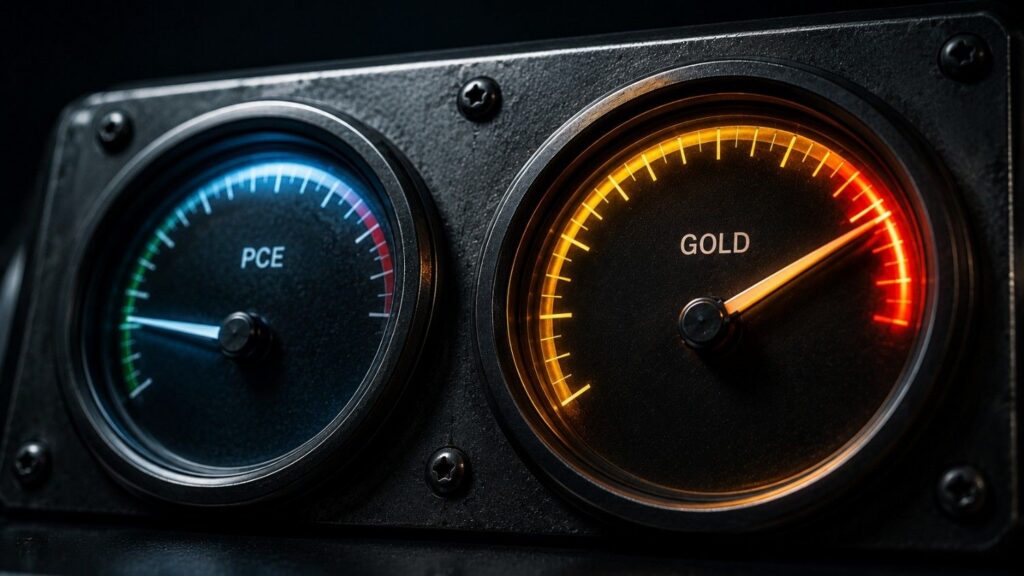
June PCE fell to 3.7% — the number gold investors spent the week watching. Gold opened $34 higher anyway. Fed Chair Warsh said the cooler reading was “not much” of a consideration. Here is the mechanism behind the move, and the GDP number nobody was talking about.
Gold Allocation Calculator: How Much Should Your Portfolio Actually Hold?
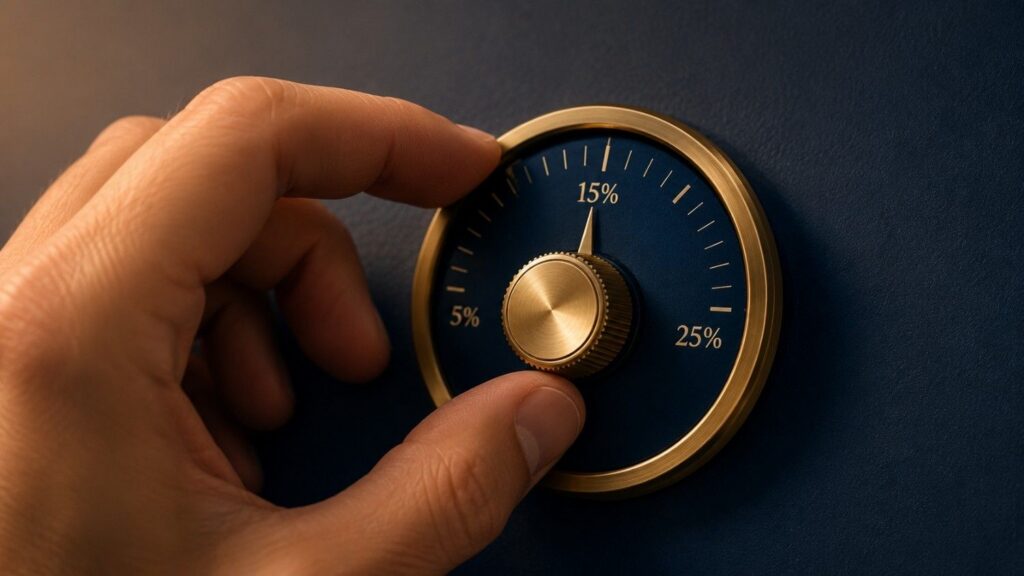
How much gold should your portfolio hold? The generic 5–10% guidance comes from 1980s research. Updated analysis puts the optimal range higher — and the right number for you depends on specific variables you can calculate.
Every Bearish Catalyst Landed at Once. Gold and Silver Went Up Anyway.

Every bearish macro catalyst landed today at once — hot PPI, an ECB rate hike for the first time since September 2023, and a second night of US-Iran strikes. Silver opened at its lowest level since December 2025. By afternoon it was up 3.6%. Here’s what that market signal means for physical holders and what to watch before the FOMC on June 17.
Gold Holds $4,481 With Rate Hike Risk Rising. Here’s the NFP Decision Map.
Gold is holding near $4,481 with rate hike risk rising — a divergence that, in any prior rate cycle, would have already sent gold lower. Tomorrow’s May jobs report is the last major data point before Warsh’s first FOMC meeting June 16–17. Here’s the three-scenario decision map: what a hot print, an in-line print, and a soft miss each mean for gold — and why the Fed’s policy trap makes the structural case for sound money regardless of Friday’s number.
Gold Surges 1.5%: ADP, ISM, and Beige Book Trap the Fed

Five data points landed Wednesday that should have pressured gold. Instead, gold surged 1.5%. Each event tightens the same Fed trap — and gold trades on the trap, not the direction the Fed falls.


