 Silver Rises Over 120% YTD




Why Is Silver Demand Tied to AI Data Centers?
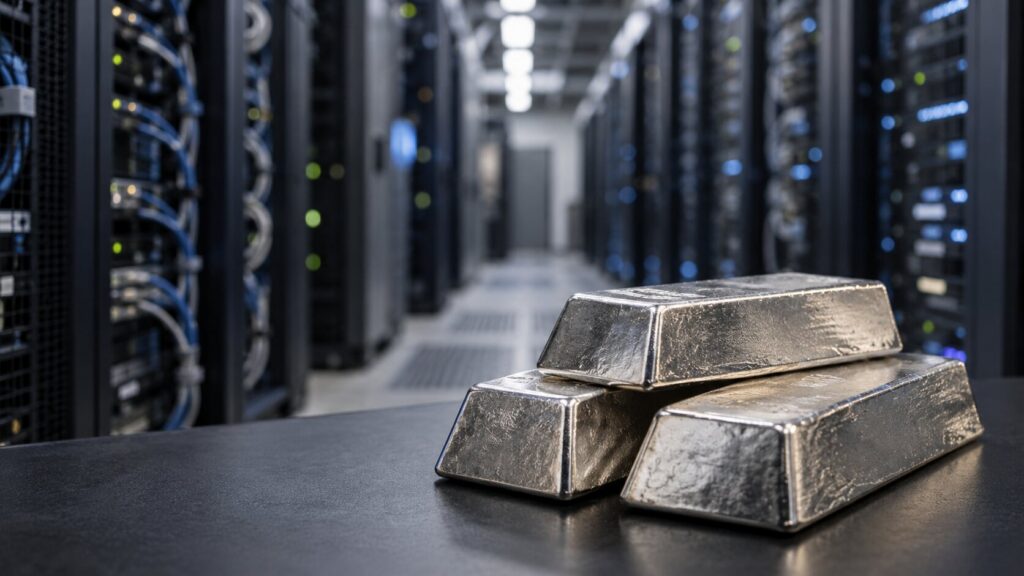
Most coverage of silver’s 2026 rally blames the Fed and the dollar. A quieter demand story has been building for less than two years: AI data centers now need silver for their power systems, layering onto an already six-year supply deficit.
The Copper Mine That Isn’t Trying to Mine Silver Just Explained the Whole Deficit
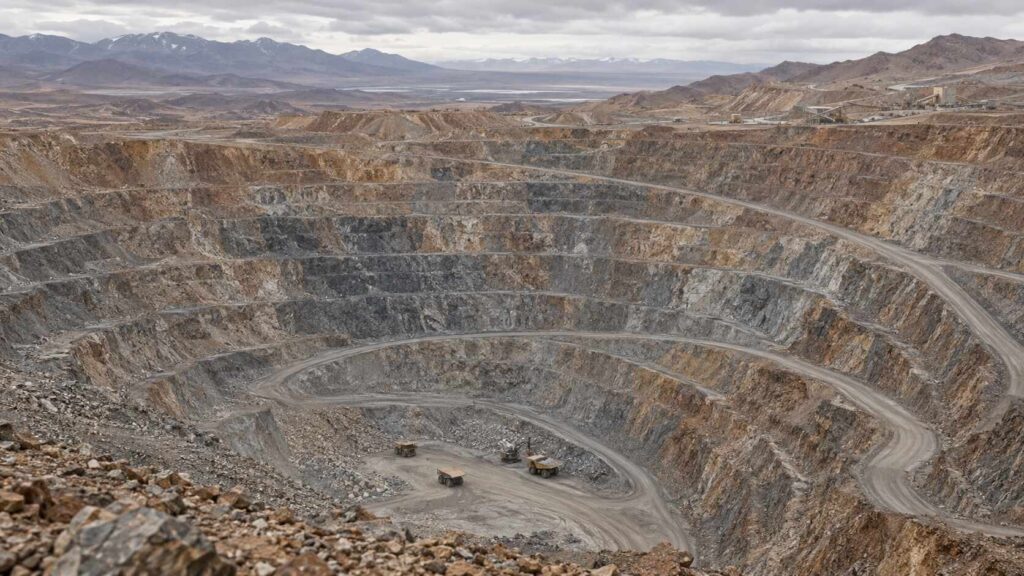
August’s mine disruptions in Chile, Mexico, and Peru barely dented the 2026 silver deficit — but they expose a deeper problem: most silver supply is a byproduct nobody optimizes for, and that won’t change no matter where the price goes.
The Cantillon Effect: Why Money Printing Makes Some People Rich First

New money doesn’t reach everyone at once: banks and asset holders get it first, wage earners get it last, after prices have already moved. Using Fed balance-sheet data and its own Distributional Financial Accounts, this piece traces exactly how that sequence played out from 2008 to 2022, and why physical gold and silver sit outside the mechanism entirely.
Gold Is About to Face Its First Rate Hike of the Cycle. Here’s Why It Isn’t Scared.

A rate hike is supposed to hurt gold. It hasn’t for three years, and September 16 is the cleanest test yet. The reason traces back to who is actually setting gold’s price now, and it isn’t who the old models assume.
Gold Fell 1.62% Today. Gold Miners Didn’t. Here’s the Math.
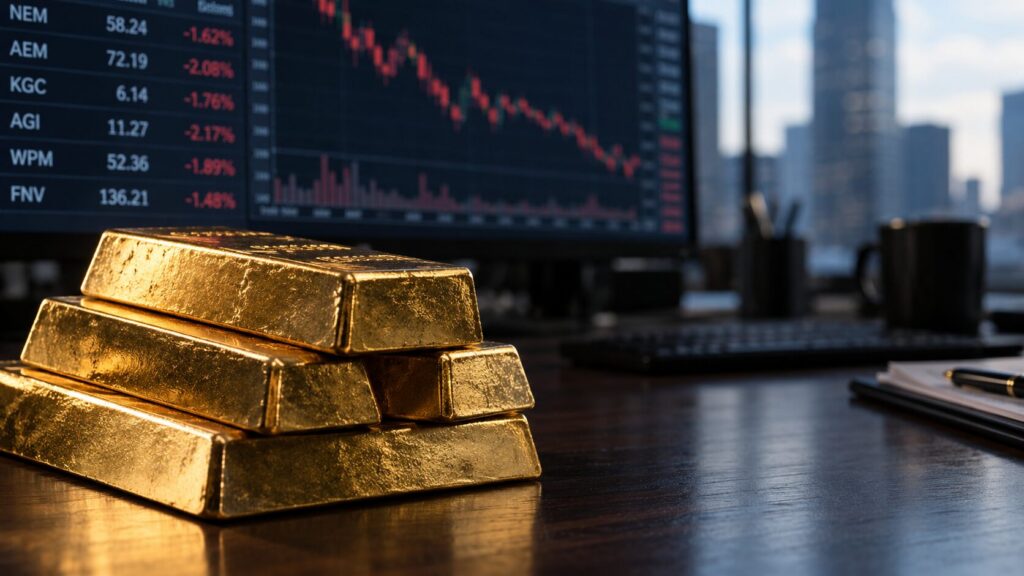
Gold mining stocks didn’t fall as fast as bullion today. The reason is operating leverage, and its limits: miners carry reserve depletion, debt and equity risk that physical gold never does. Here’s the mechanism, and what it means for how you hold your metal.
Gold and Silver Jump After a Mixed CPI Report. The CFTC Positioning Split Says More.

Gold and silver reversed hard today after a mixed CPI report, up roughly 2% apiece. But last week’s CFTC data shows speculators cutting gold bets while adding to silver bets, a split that may matter more than today’s bounce for what comes next.
Gold and Silver Fall as Hot PPI Lifts Fed Rate-Hike Odds

August producer prices accelerated to a 5.4 percent annual pace, and traders responded by pricing in 60 percent odds of a Fed rate hike, a reversal that pulled both metals lower even as the long-term case for owning them held firm.
Fed Hike Odds Went From 54% to 26% to 58%. Now It’s a Coin Flip.
Fed rate-hike odds for the September 16 decision swung from 54% to 26% to 58% in six weeks. Here’s how the odds shifted, why gold tracked every move, and why crowded futures positioning is the real risk to watch.
Tokenized Gold: What It Actually Is, and Where the “Just Like Owning Gold” Pitch Breaks Down
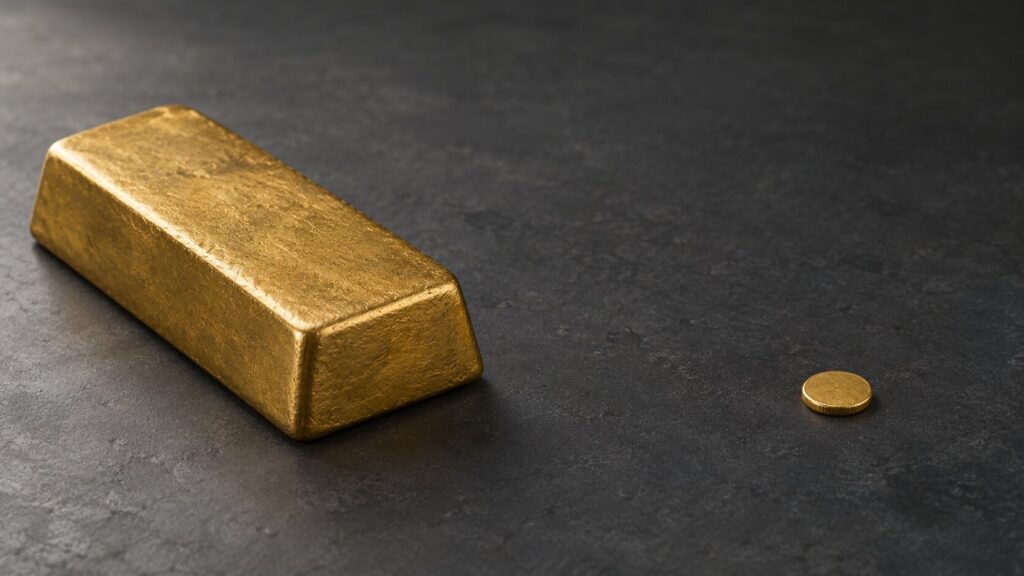
Tokenized gold (PAXG, XAUT) is a $5-6 billion category with $90.7B in Q1 2026 trading volume. But redemption thresholds, issuer counterparty risk, and a gap in the GENIUS Act mean holding a token is not the same as owning physical gold. Here is where the mechanics actually diverge, and what the pending CLARITY Act vote could change.
Gold/Silver Ratio September 2026: What a 12-Week Round Trip Is Telling Holders

The gold/silver ratio swung from 61.7 to 70.4 and back to 66.3 in just twelve weeks, a round trip far wider than its normal range. Here is what the swing reveals about silver’s higher-beta relationship to gold, and how to size a silver position with that asymmetry in mind rather than chasing any single ratio reading.


