 Silver Rises Over 120% YTD




A Stablecoin Issuer Bought More Gold Last Year Than Any Central Bank
The Fed’s flagship conference is about payment rails this year, not the level of rates. ECB data explains why that is a gold story, and why the most striking buyer of 2025 was not a central bank at all.
Ten Percent Sent Gold Abroad. Nine Percent Brought It Home.
The financial press says central banks are bringing their gold home. The World Gold Council asked 76 of them, and the numbers run the other way: more spread gold into additional foreign jurisdictions last year than repatriated it. What that says about custody, and about how you hold your own metal.
Gold’s Speculative Crowd Hit a 60-Week High. Almost Nobody Bought.

Two metals rallied this week on the same headline. Underneath, the last CFTC positioning data, as of August 11, shows opposite structures. Gold’s short book has thinned to 64% of normal. Silver’s is still at 87%. Only one of these prices has a cushion under it.
Gold’s Pullback Isn’t About ETFs. It’s About a Treasury Buyback.
Gold and silver are cooling after a 4-6% surge this week, and the popular explanation making the rounds is incomplete. The real driver: the U.S. Treasury just doubled its own bond buybacks after a failed auction, not ETF inflows.
Three Fed Officials Voted to Hike. What It Means for Gold.
The Federal Reserve’s July 29 vote was 9 to 3. Three officials wanted to hike. Tomorrow’s FOMC minutes reveal how far that hawkish case actually got — and what it means for gold before Jackson Hole.
Why Is Gold Not Going Up? The Bears Vanished in June

Every futures market has two sides. Gold has been running on one since June, when short positions fell 35% in a single week and stayed down. That removes the buying that normally cushions a decline. Here is why the paper price is fragile right now, and why the ounce is not.
Why Is Silver Outperforming Gold? A 6-Year Deficit
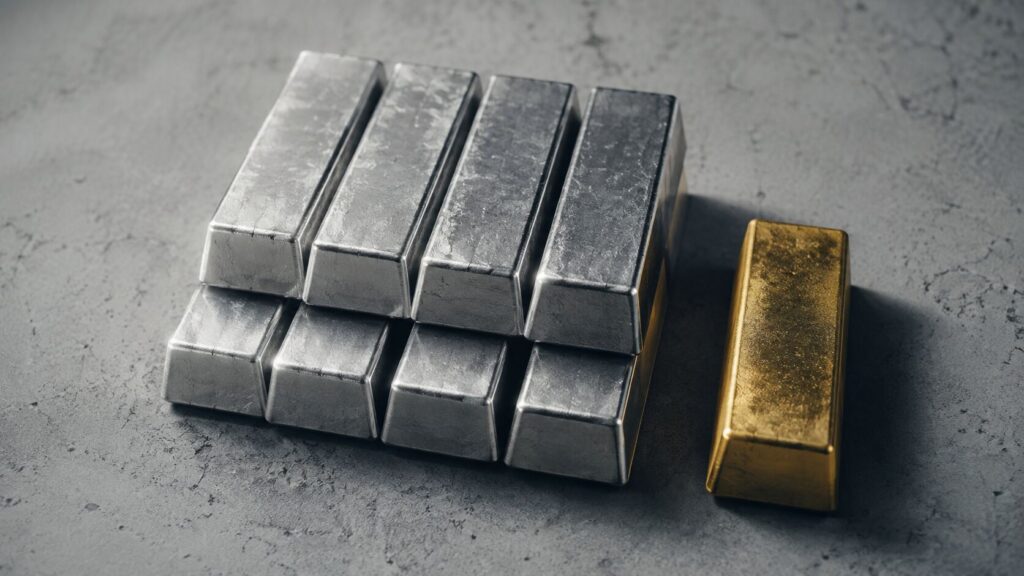
Silver is up 62% over the past year. Gold is up 26%. The gap isn’t a glitch — it’s the result of six straight years of supply deficits, soaring industrial demand from solar and EVs, and a gold-silver ratio that’s quietly been telling this story for months. Here’s why silver is doing what the textbook says it shouldn’t, and what it means for where prices go next.
Why Gold Is Holding Near $4,067 Ahead of a Jobs Week That Could Trigger a Rate Hike

Everyone’s watching Friday’s jobs report expecting it to unlock rate cuts. This cycle it could do the opposite, with markets pricing roughly a 68% chance of a September rate hike, and gold is holding near $4,067 anyway. Here’s the stagflation bind behind gold’s resilience, and what to watch this week.
Gold Stocks Just Hit 7% Bullish Sentiment. Here Is What History Says Comes Next.
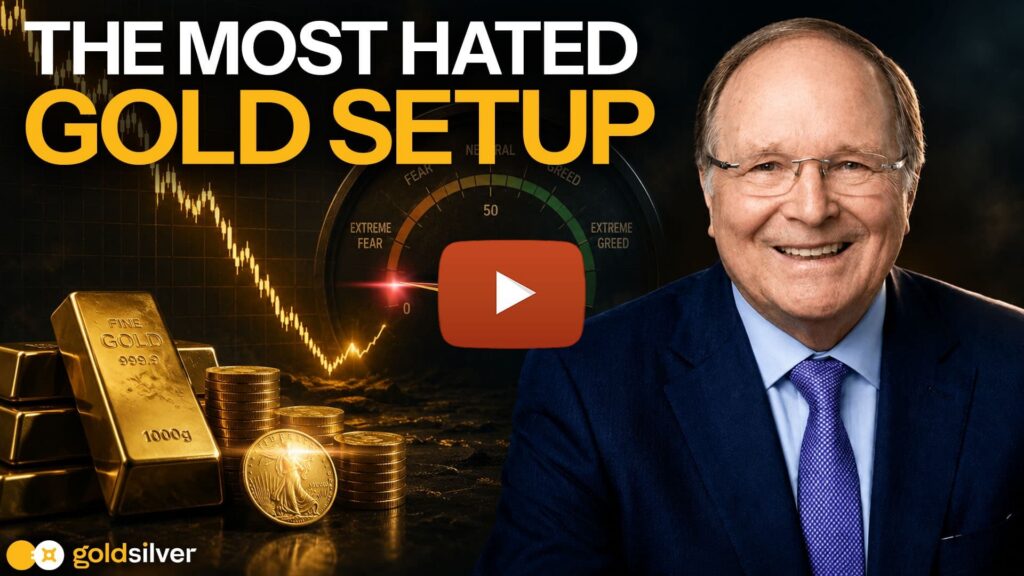
On one day last month, bullish sentiment on gold stocks hit zero. Not low. Zero. Adrian Day, chairman of Adrian Day Asset Management, tells GoldSilver’s Maggie Lake why that extreme — paired with 50-year-low valuations and relentless central bank buying — is the setup contrarian investors wait years to find.
The Fed Just Killed Its Rate Roadmap. Here’s What That Means for Gold.
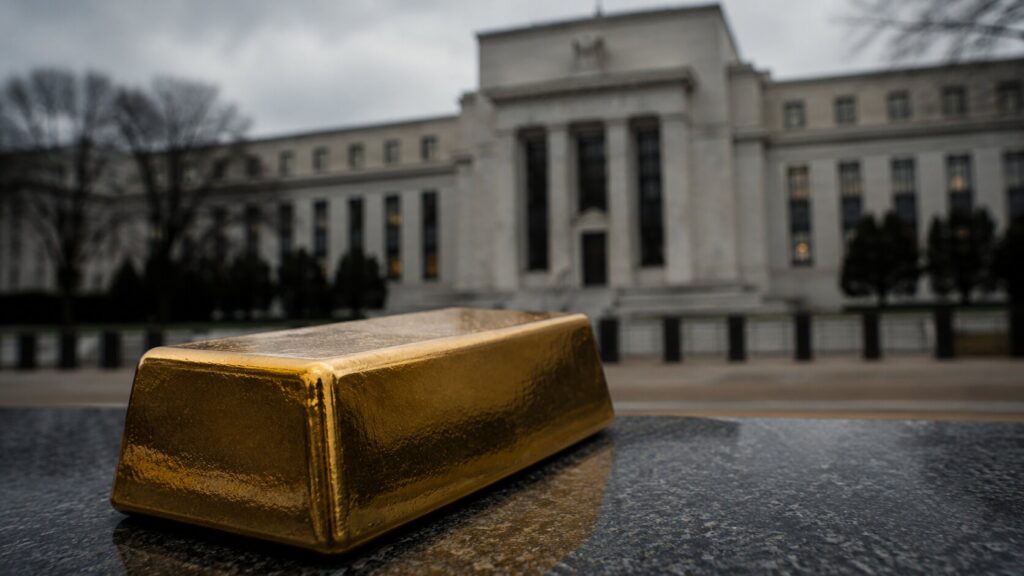
The Fed held rates steady. That wasn’t the story. Kevin Warsh withheld his dot plot entry — the first Fed chair in 14 years to do so — and quietly ended the forward guidance era that has guided markets since 2012. Here’s what that shift means for gold.


