Silver Rises Over 120% YTD


Published: 11-20-2026, 10:16 am | Updated: 11-20-2026, 10:21 am
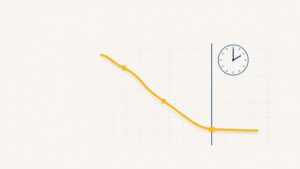
Factory price pressures rose as the Philadelphia Fed’s new orders index slipped. For long-term gold and silver owners, the report adds context to a plan measured in years.
What the survey shows
The Philadelphia Fed released its November survey on November 19 at 8:30 a.m. EST, using responses collected November 9–16. The general activity index fell from 20.9 in October to 6.3 in November. The new orders index slipped from 4.3 to −0.4.
Meanwhile, the prices paid index rose from 43.2 to 58.2, its highest reading since April 2026. The prices received index increased from 40.1 to 47.0, its highest since June 2022. Shipments and employment indexes rose.
These seasonally adjusted diffusion indexes measure the share of firms reporting increases minus the share reporting decreases. They describe the breadth of change in a regional sample, not national inflation rates or total order volumes.
The Edge Every Investor Needs Smarter precious metals investing starts here. The Nuggets Newsletter brings you essential market insights, Fed updates, global trends, educational videos, and much more.
Gold can support a diversified portfolio
Gold’s appeal to a long-term owner extends beyond the next inflation reading. The World Gold Council’s 2026 research identifies diversification as a reason to hold gold alongside stocks and bonds. Its different sources of demand can help it behave differently from those assets.
Outright ownership of physical gold also provides a tangible asset without an issuer’s promise to make interest or principal payments. Ownership and storage arrangements still matter. These characteristics give investors a constructive reason to consider gold as a lasting part of a broader portfolio.
Interest rates can influence prices along the way. Chicago Fed research examines gold’s historical relationships with real rates, inflation expectations and economic pessimism. If expected inflation rises more than nominal yields over the same horizon, expected real yields could fall, potentially supporting gold. Higher real yields can create headwinds.
Gold can lose value, and diversification does not guarantee returns. Its contribution is best assessed within the whole portfolio and over the owner’s intended holding period. One regional survey cannot settle that longer-term assessment.
Silver combines investment demand with everyday uses
Silver offers owners a tangible metal with established uses in electronics and solar technology. Its electrical conductivity supports applications including circuit boards and switches. These uses provide a concrete industrial basis for considering silver over a longer horizon.
The Silver Institute’s November 12 market update also documents demand from investors alongside manufacturers. That combination broadens the factors relevant to silver ownership beyond one month’s regional factory orders. Industrial and investment demand can respond differently to changing conditions.
Weaker production could reduce industrial consumption, while substitution and efforts to use less silver can affect demand in individual applications. Investment demand may provide separate support. Established uses do not guarantee rising prices, but they remain part of silver’s long-term ownership case.
Keep the focus on lasting ownership
The November survey gives owners useful context. It does not, by itself, overturn gold’s diversification potential or silver’s established industrial uses. Those characteristics offer reasons to evaluate physical metals over years.
A practical ownership plan gives each metal a clear purpose and keeps the amount held appropriate to the wider portfolio. Owners can follow inflation, real yields and industrial demand while allowing for price fluctuations.
For long-term holders, patient ownership can remain a considered choice when the allocation fits their goals and financial needs. Clear ownership records, suitable storage and realistic expectations help make that approach practical. New economic information can inform the plan while the focus stays on the reasons for holding physical gold and silver.
Stay On Top of Gold & Silver Prices
Get important market alerts sent straight to your inbox.
SOURCES
1. Federal Reserve Bank of Philadelphia — November 2026 Manufacturing Business Outlook Survey;Manufacturing Business Outlook Survey Historical Diffusion Indexes;Manufacturing Business Outlook Survey Methodology
2. Federal Reserve Bank of Chicago — What Drives Gold Prices?
3. Federal Reserve Bank of St. Louis — Adjusting for Inflation
4. U.S. Department of the Treasury — Interest Rate Statistics
5. The Silver Institute — Silver In Electronics;Silver and Solar Technology;Silver Market Set for Sixth Consecutive Annual Deficit in 2026
6. GoldSilver — Gold Price Charts;Silver Price Charts
7. World Gold Council — Gold as a Strategic Asset 2026 Edition
Disclaimer: This article is for informational purposes only and does not constitute investment advice. Past performance is not indicative of future results. Always consult a qualified financial advisor before making investment decisions.
You May Also Like:
- Why Is Gold Falling With Stocks? Two Forces, Six Sessions
- How Low Can Gold Go After Falling Below $3,700?
- Silver Buy Signal: Why Gareth Soloway Likes Bearish Talk
- Why Gold Fell Below $3,800 After Nvidia’s Record Quarter
- Why Is Christopher Whalen Still Buying Gold as It Falls?
- Gold Fell After Hot CPI. What Does Trey Reik Watch Instead?
- Physical Gold vs. Gold ETF vs. Mining Stocks: Which Fits You?
- Michael Oliver: Is Gold’s 29% Drop Just Like 2008?