Silver Rises Over 120% YTD




Published: 12-09-2025, 10:30 am | Updated: 12-09-2025, 10:23 am
Daily News Nuggets | Today’s top stories for gold and silver investors
December 9th, 2025
Gold Treads Water Ahead of Fed’s “Hawkish Cut”
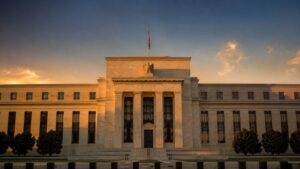
Gold is holding steady around $4,200 per ounce as traders brace for this week’s Federal Reserve decision. Markets are pricing in an 89% chance of a 25-basis-point rate cut on Wednesday, but the real focus is on what comes next. Analysts expect Chair Jerome Powell to deliver a “hawkish cut” — rate relief paired with guidance that signals a higher bar for further easing in 2026.
Lower rates typically support gold by reducing the opportunity cost of holding non-yielding assets, but hawkish rhetoric could strengthen the dollar and weigh on the metal. Meanwhile, silver continues to shine, trading near its record high of $59.32 hit last Friday, buoyed by tight physical supply and industrial demand.
The Fed isn’t alone in rethinking the pace of monetary easing.
Stay On Top of Gold & Silver Prices
Get important market alerts sent straight to your inbox.
The Global Easing Cycle Hits the Brakes
Central banks around the world are pumping the brakes on rate cuts — or stopping altogether. Money markets now see almost no chance of further easing from the European Central Bank and are pricing in a 30% probability of a rate hike by the end of 2026. In Australia, the central bank ruled out additional cuts this week, with traders now betting on two quarter-point increases by the end of next year.
Even as the Fed prepares to cut rates Wednesday, Wall Street is scaling back expectations for 2026 amid lingering inflation concerns and a more resilient economy. For gold investors, the shift is a double-edged sword: higher rates increase the opportunity cost of holding the metal, but persistent inflation fears and economic uncertainty continue to underpin safe-haven demand.
That inflation concern isn’t abstract — Americans are feeling it in their wallets.
Why Americans Still Feel Squeezed — Even as Inflation Cools
Inflation may be cooling from its 2022 peak, but Americans aren’t feeling much relief. While the Consumer Price Index hit a 40-year high of 9.1% in June 2022, prices for daily essentials remain stubbornly elevated — and in many cases, they’re still climbing.
Food prices are up more than 18% since January 2022, with nearly half of Americans saying groceries are harder to afford than a year ago. Housing costs have surged even more dramatically: the typical homebuyer now needs to earn $121,400 annually to afford a home, well above the average American income of $84,000. Child care costs have jumped 30% since 2020 to over $13,000 per year, while health insurance premiums are set to more than double for millions if federal subsidies expire.
Even utility bills are up 12% to an average of $265 per month. For investors, this persistent affordability crisis helps explain why gold has rallied over 60% this year — it’s not just about Fed policy, but a deeper unease about the purchasing power of the dollar.
Turkey’s Gold Fever Cools — And the Lira Breathes Easier
After months of frenzy, Turkey’s physical gold market is returning to normal. The premium Turkish buyers were paying over global spot prices — which peaked above 5% in the fall — has now narrowed back to its historical average of around 1.5%. The surge in local demand had put pressure on the lira as imports spiked to meet appetite for the metal, a longtime inflation hedge in Turkey.
But with global gold prices stabilizing near $4,200 and local demand cooling, supply has caught up. Turkey’s central bank estimates households are sitting on nearly $500 billion in gold stored at home — a staggering figure that underscores the metal’s role as a wealth preservation tool in high-inflation economies.