 Silver Rises Over 120% YTD




You Don’t Need a Printing Press to Crash a Currency
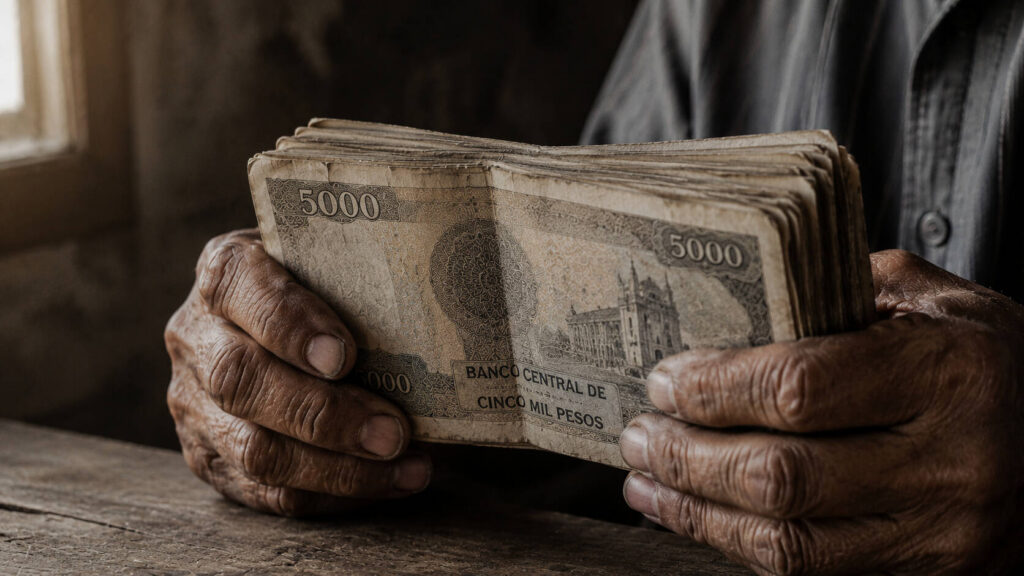
Hyperinflation doesn’t always start at the printing press. When people stop trusting a currency, its purchasing power can collapse overnight. History — from Weimar to Zimbabwe — shows why gold endures when faith in paper money fails.
Where Is the World’s Wealth Stored — And Why It Matters for Gold
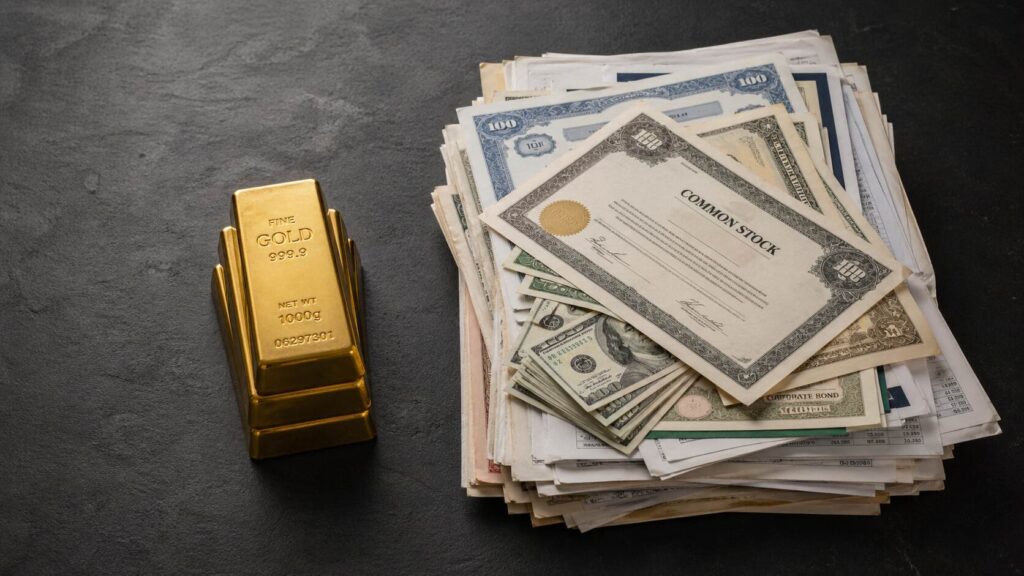
Global personal wealth stands at $471 trillion. Privately held gold accounts for roughly 6% of that. Understanding where the world stores its wealth — and what happens when even a fraction shifts toward gold — is the foundation of the precious metals case.
Why Fiat Currency Fails and Gold Endures
Every fiat currency in history has lost purchasing power over time. This guide explains why the system is structurally fragile, what history tells us about monetary collapse, and why gold and silver have protected wealth for thousands of years.
What Happens to Gold When the Dollar Crashes?
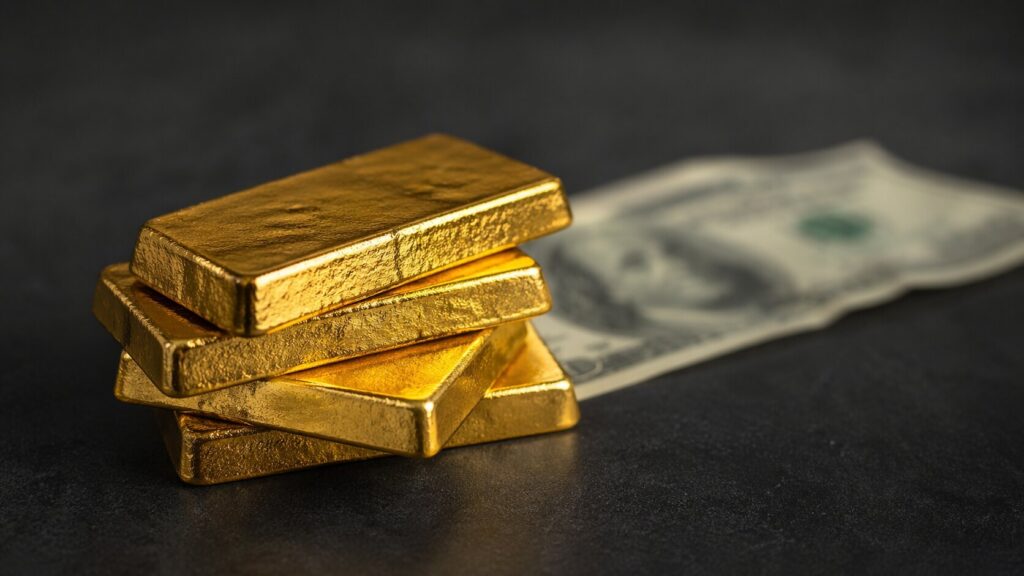
Every major dollar devaluation cycle since 1971 has produced a significant rally in gold. Here’s what the historical record shows, what central banks are doing about it, and what it means for investors today.
The 1970s Gold & Silver Bull Run: Causes, Returns, and Lessons for Investors
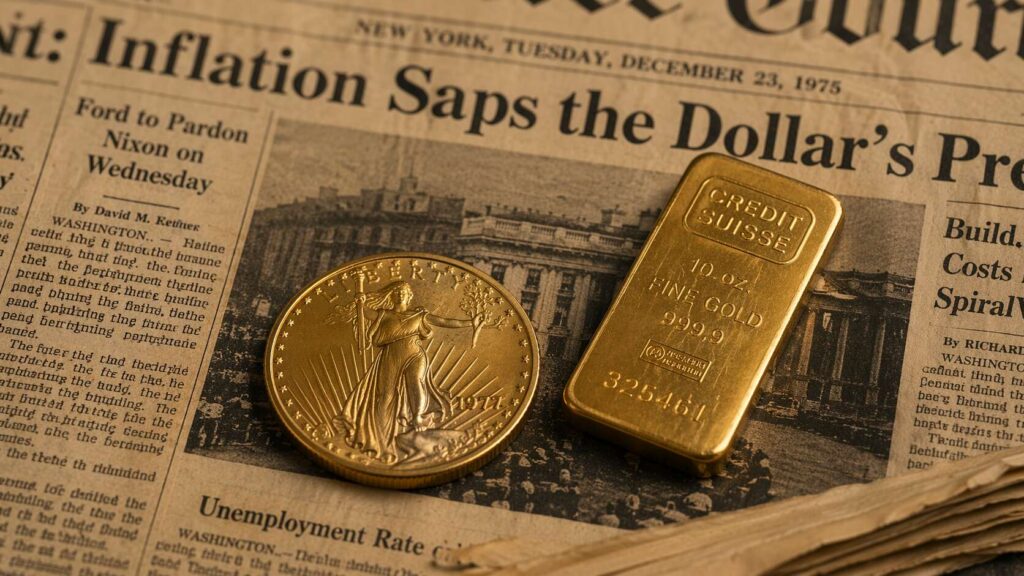
The 1970s gold and silver bull run remains one of the most dramatic wealth events of the 20th century. Gold rose 2,300%. Silver gained 400% in a single year. Understanding what drove that decade-long move — and what finally ended it — gives modern investors a precise framework for reading today’s precious metals market.
Gold Outranks the Dollar at Central Banks — What It Means for Your Savings
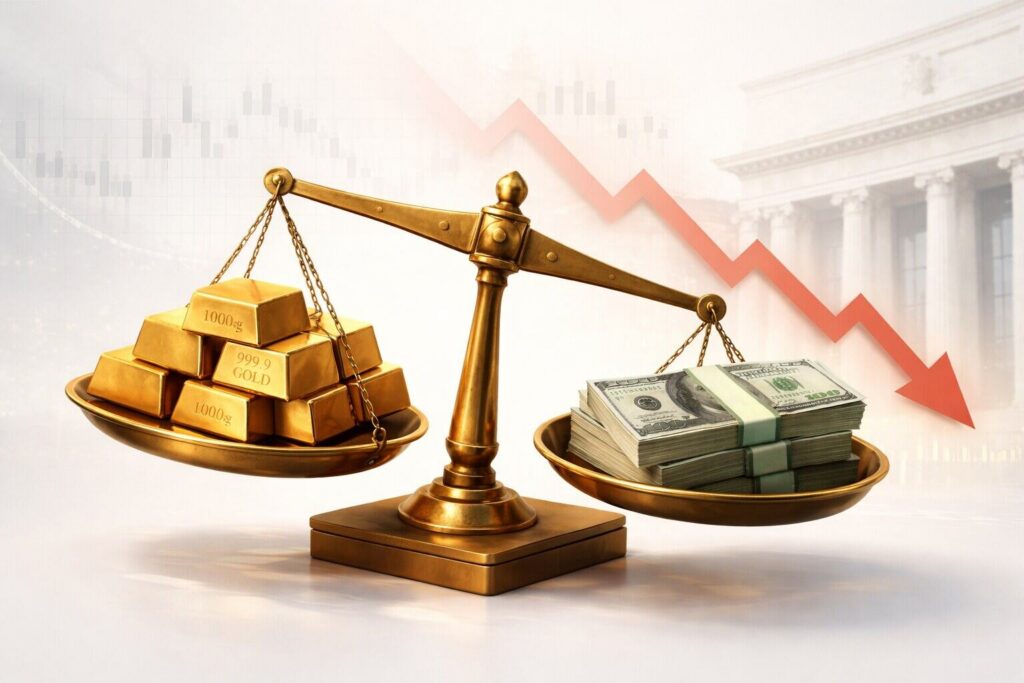
For the first time since the collapse of Bretton Woods, central banks now hold more gold than dollars — $3.87 trillion vs. $3.73 trillion. Here’s what that structural shift means for your savings.
How Does the Federal Reserve Actually Create Money?
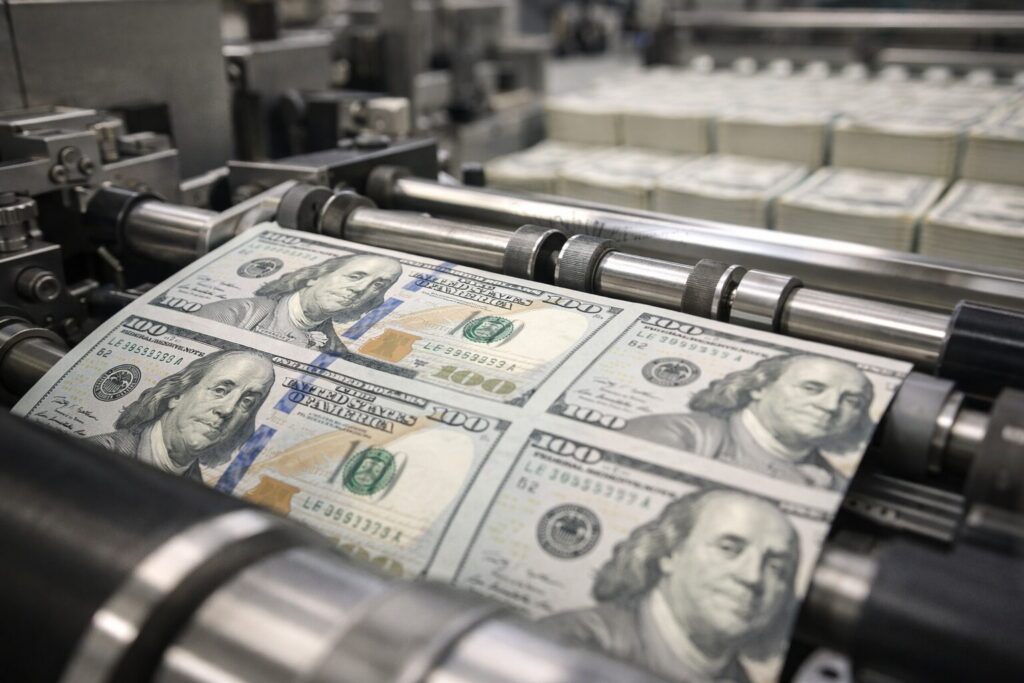
Most people assume money is printed at a mint and backed by something real. The truth is stranger. The U.S. dollar is created through debt, multiplied through bank lending, and sustained by collective agreement. Here’s how the system actually works.
What Is Velocity of Currency — and Why It Matters
The Fed has created trillions in new currency. So why doesn’t inflation always follow immediately? The answer is velocity — and understanding it changes everything about how you read today’s economic headlines.
What Is De-Dollarization? Why Countries Are Moving Away from the US Dollar

The dollar’s share of global reserves has hit its lowest level since 1994. Central banks are buying gold at historic rates. And the petrodollar system faces its most serious challenge in 50 years. Here’s what de-dollarization actually means — and why it matters now.
Why Fiat Currencies Fail — And Why Gold Still Wins
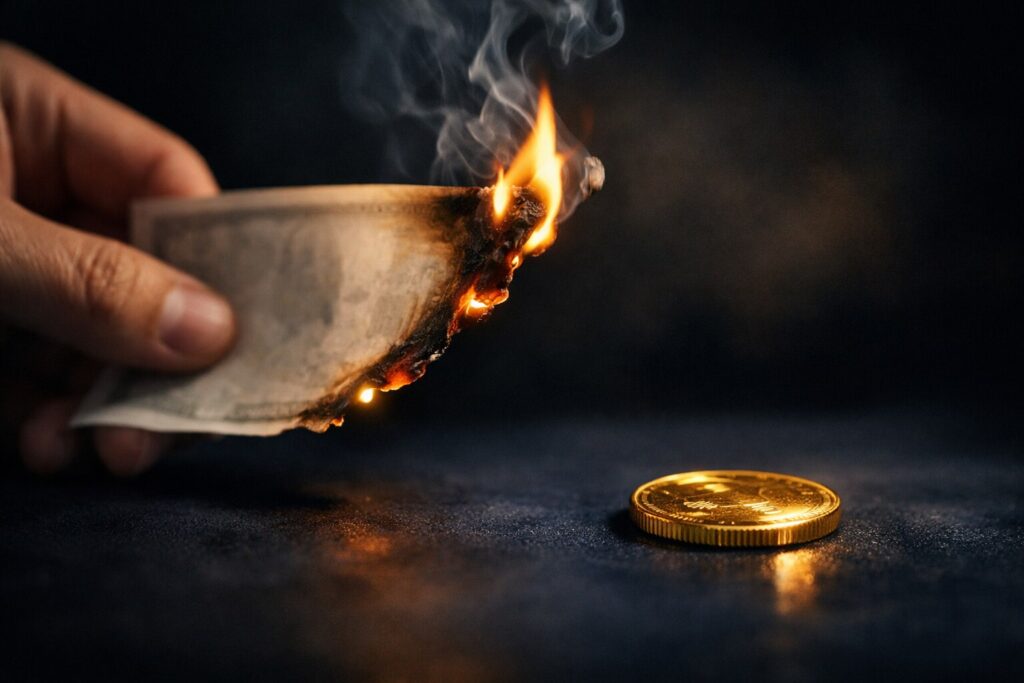
Every fiat currency ever created has eventually failed — no exceptions. Mike Maloney explains the pattern, why 1971 changed everything, and what it means for investors who want to protect their wealth with gold and silver.


