 Silver Rises Over 120% YTD




Gold Price Outlook September 2026: What the Fed’s September 15-16 Meeting Means for Your Metals

Gold holds near $4,380 as hot August PPI lifts September hike odds toward 60%. Bank targets are unchanged, central banks are still buying, and here is what actually decides the Fed’s September 15-16 call.
Gold Price Outlook August 2026: What Three Data Prints in One Week Mean for Your Metals
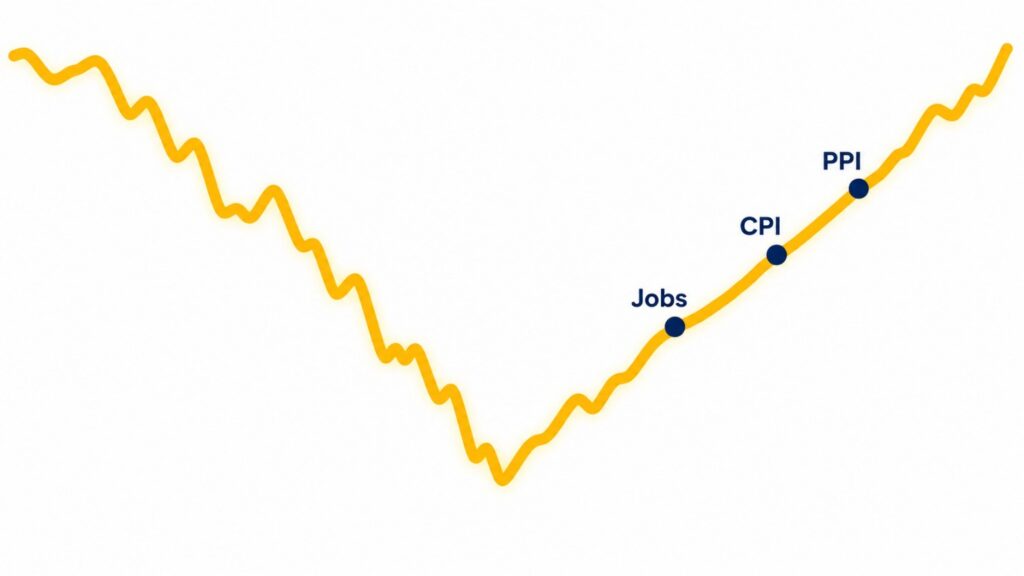
Gold is up 10% in August from near $4,000 — its best monthly gain since January. Three data prints in one week flipped the September rate-hike calculus: jobs, CPI, and PPI all came in soft. Hike odds fell from 50% to 31%. Central banks bought a quarterly record 288.9 tonnes in Q2 even as prices fell. Here is what it means for gold holders — and what to watch before the September 15–16 FOMC.
What Is a Gold-Backed Stablecoin? How One Private Buyer Changed the Gold Market
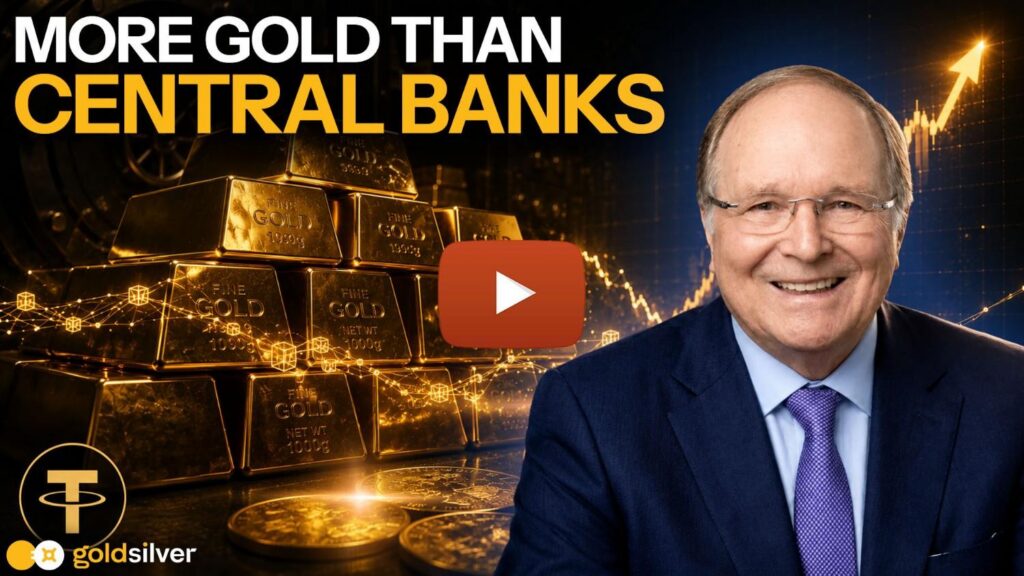
Since Q2 2025, one private company has been buying physical gold at a pace that has outrun almost every central bank on earth. Its name is Tether. Here is how a gold-backed stablecoin works, why its buying is price-insensitive by design, and what it means for gold demand — plus the full Adrian Day interview.
Gold & Silver Market Correction: Is the 2026 Bull Market Over?

Gold fell nearly 28% from its January 2026 all-time high. Silver dropped over 52%. Here is what caused the correction, why the structural bull case remains intact, and what central banks, the WGC, and institutional forecasters say about where gold and silver go from here.
Why HSBC Still Believes Gold Hits $4,750 by Year-End (And What the Mainstream Is Missing)
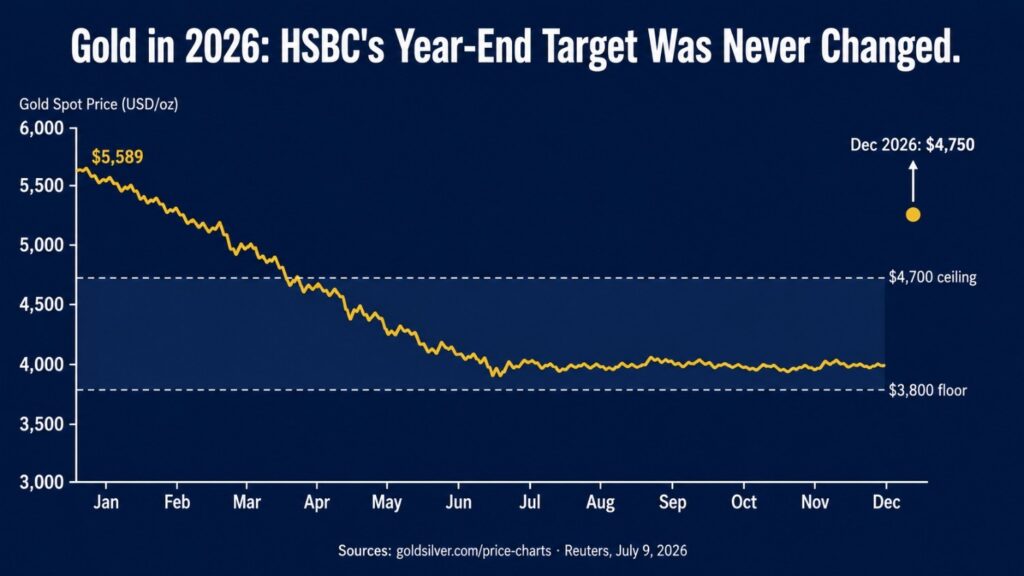
HSBC cut its 2026 average gold forecast by $304 on July 9. It left its year-end target at $4,750 unchanged. That gap between the two numbers is what the mainstream missed — and it tells you everything about where gold goes from here.
State Street Predicts $5,500 Gold by Q1 2027: Is the Dip Over?

State Street’s July 2026 Monthly Gold Monitor targets $5,000 per ounce into early 2027, with a 70% probability baseline range of $4,750–$5,500. Here is the structural case behind the forecast — record global debt, central bank buying, and a stock-bond correlation breakdown — and what a gold recovery means for silver’s high-beta setup.
Why China’s Gold Buying Spree Outweighs India’s Pause
China’s bar and coin gold demand hit a record 207 tonnes in Q1 2026 while India paused on a 15% import duty hike. Here’s why the divergence matters — and what it means for your physical gold allocation.
Manufacturing Just Had Its Best Month of 2026. Gold Just Had One of Its Worst Days.

The Philadelphia Fed manufacturing index hit 41.4 in July — its strongest reading in years and more than three times the consensus of 13. Gold fell 2.2% on the news. The mechanism behind that move is the entire story.
Gold Falls as Retail Sales Confirm the Fed Has No Reason to Cut
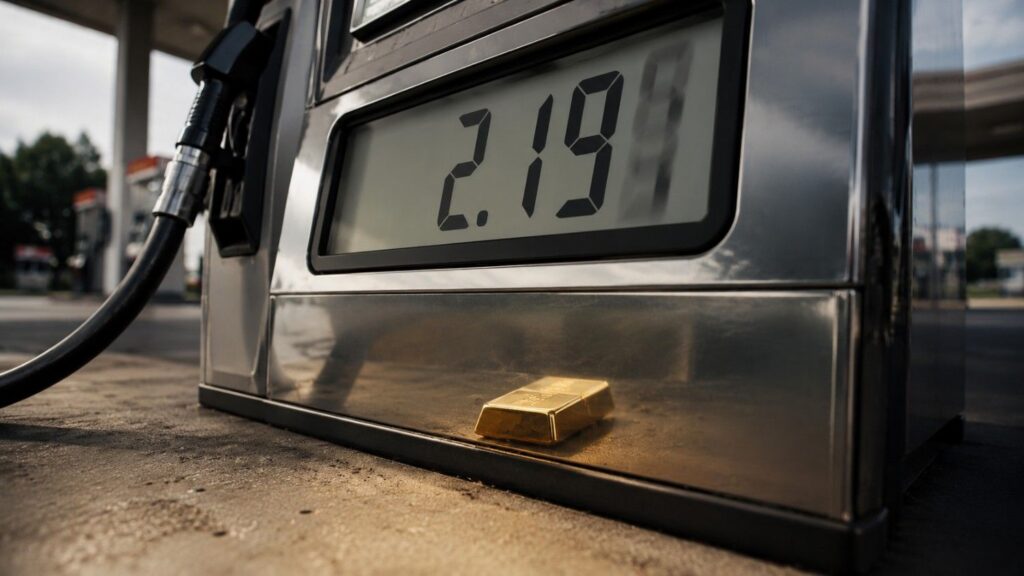
Gold fell to $4,016 and silver dropped 2.6% Thursday after June retail sales printed +0.2%. Strip out gasoline stations — down 5.3% on the month — and the consumer is actually holding up. That’s the problem for gold: a resilient consumer keeps the Fed parked, real yields elevated, and non-yielding metals under pressure.
Gold Is Flat. Oil Is Up 9%. Here’s Why.
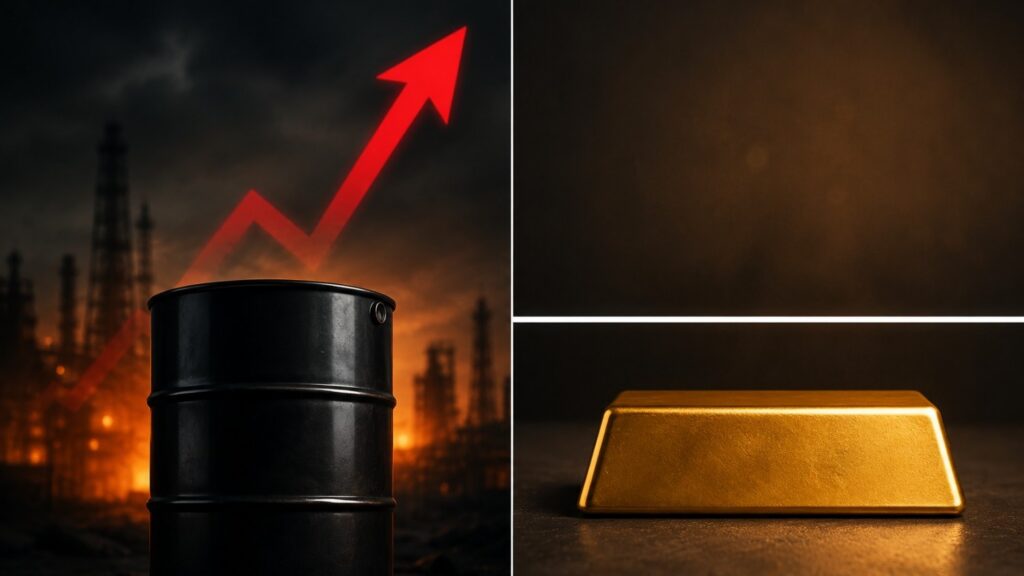
Oil is up more than 9% in five days. The Strait of Hormuz is nearly closed. Gold is flat. That is not a contradiction — it is the difference between supply-chain inflation and monetary inflation, and it matters for every long-term holder.


