 Silver Rises Over 120% YTD




Why Peace Is Bullish for Gold in 2026 (And War Isn’t)
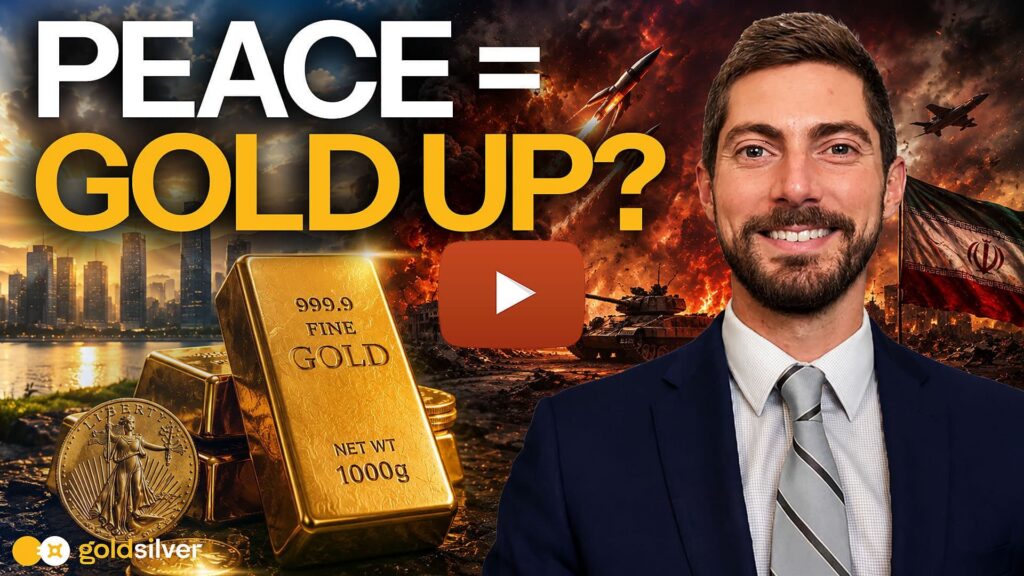
War usually pushes gold higher. But since Operation Epic Fury began in February 2026, the opposite has played out — gold sells off on escalation and rallies on peace. The reason ties back to fiscal dominance, oil prices, and the path to lower interest rates. This article breaks down the pattern, the macro logic behind it, and what it means for short-term and long-term gold investors.
Why Central Banks Sell Gold — And What It Means for Prices
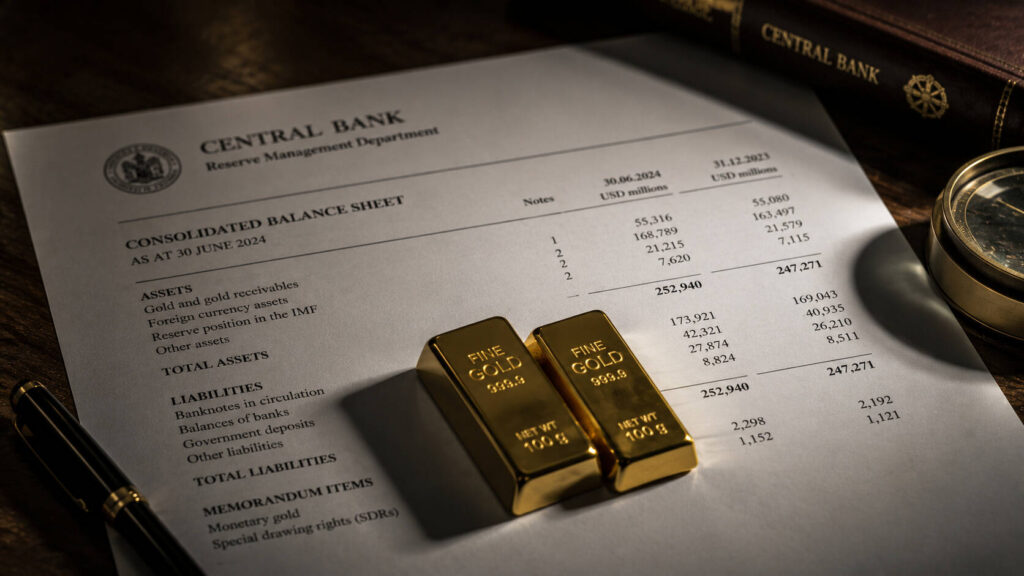
Central banks bought 863 tonnes of gold in 2025. Yet Russia, Turkey, and others are selling. Here’s what drives official-sector gold sales — and what the history of central bank selling tells long-term investors about price risk.
Gold Price and Nonfarm Payrolls: Why the Fed Is Trapped
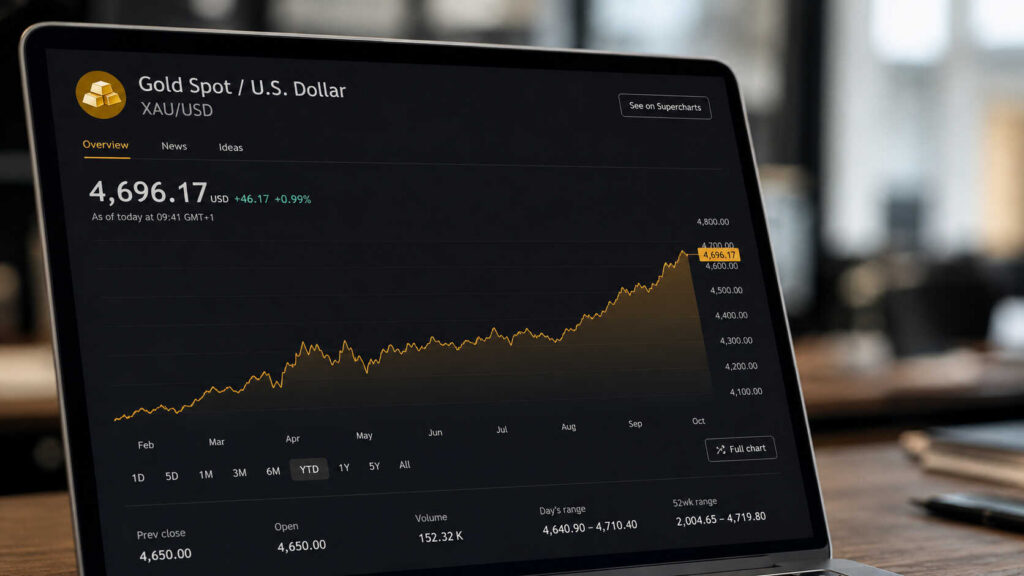
ADP printed 109,000 jobs in April — a beat by some measures, a miss by others. The gold price didn’t move. That non-reaction is the real story heading into Friday’s nonfarm payrolls report, and it comes down to one thing: the Fed is already frozen.
What the IMF’s Inflation Forecast Shift Means for Gold
The IMF spent weeks building its 2026 economic forecast. On May 4, its managing director declared it obsolete — and the reasons why create the clearest structural signal for gold investors this year.
What’s Really Driving Gold Prices Today — 5 Key Signals

Gold held through missiles, rate fears, and a central bank leadership transition. Five structural signals explain what’s really driving gold prices — from the BoE abandoning its own inflation forecast to AI data centres creating demand that doesn’t care what the spot price is.
The Gold-Silver Ratio Is Expanding — and Being Misread

The gold-silver ratio has expanded to 62.05:1 — silver is down ~7% since April 22 versus gold’s ~4%. Most investors are reading that as a bearish signal. Here’s why the ratio expansion is a short-term positioning story, and why the structural case for silver — six consecutive supply deficits, record China demand, Basel III tailwinds — has not changed.
Why Gold Stabilizes — and Silver Amplifies
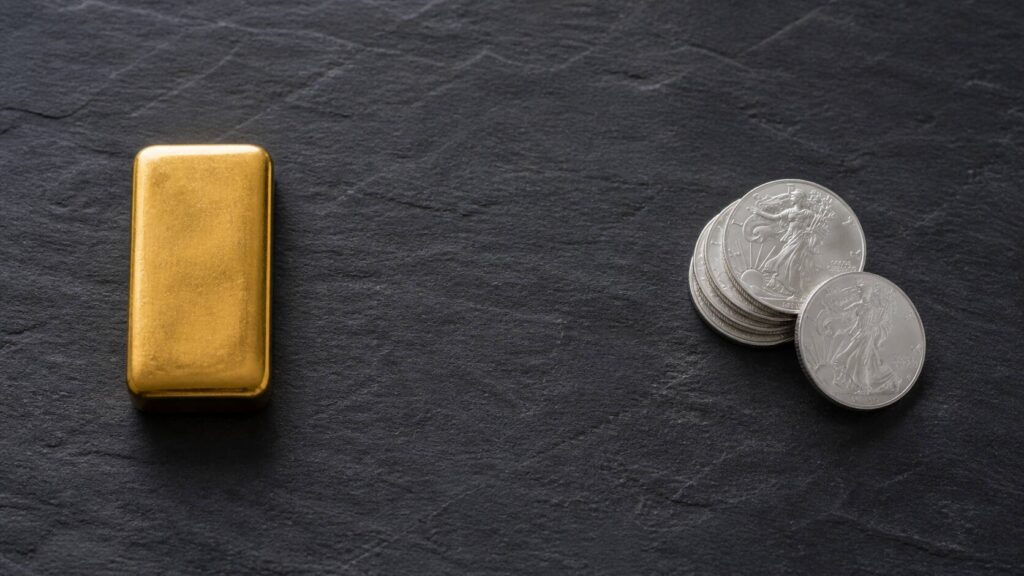
Gold and silver share the same label—but they don’t play the same role. Gold stabilizes your portfolio through market uncertainty, while silver amplifies both gains and losses. Learn the structural differences between the two metals, and how understanding each one’s unique behavior can help you build a more resilient, strategically balanced investment portfolio.
Why Gold Fell on the Hormuz Tanker Strike

The gold price dropped on May 4, 2026, as a tanker was struck in the Strait of Hormuz and ISM Prices Paid hit 84.6 — the worst cost-inflation reading since April 2022. Gold barely moved. Here’s what that non-reaction tells investors about where the structural floor really is.
What the Gold Price Per Ounce Really Tells You
Most investors glance at the gold price per ounce and move on. But this single number reveals more about the health of the monetary system than almost any other metric — here’s how to read it.
The Gold Inflation Paradox Most Investors Miss
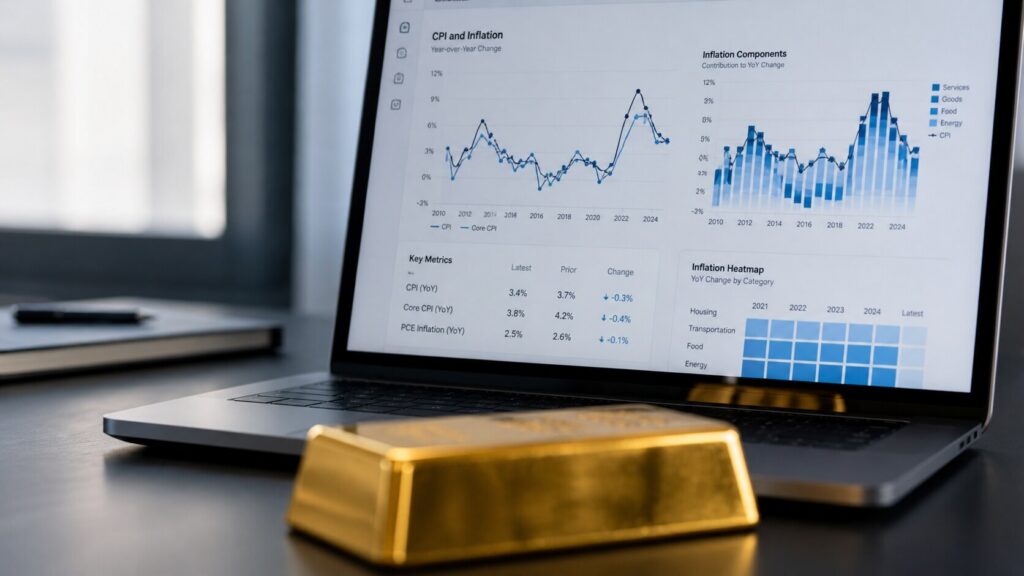
Gold fell around 15% from its all-time high while inflation hit a nearly 3-year peak. The inflation-hedge narrative isn’t wrong — it’s incomplete. Here’s what the data really shows about gold and rising prices.


