Silver Rises Over 120% YTD


Iran Peace Deal Sends Oil Down 5%, Gold Up 3%

The Iran peace deal was supposed to hurt gold. It didn’t. Here’s why oil falling 5% is pushing gold higher — and what that tells long-term holders about the monetary chain driving precious metals right now.
Gold & Silver Surge on Iran Peace Deal — Then Pull Back

Gold and silver surged Friday on Iran peace deal hopes, then pulled back. The real story is the oil drop — and the inflation chain it may be unwinding. Here’s the mechanism behind today’s move and what it means heading into the Fed’s first meeting under Kevin Warsh on June 16–17.
Silver Fell 22% in 30 Days. Gold-Silver Ratio Hits 63.
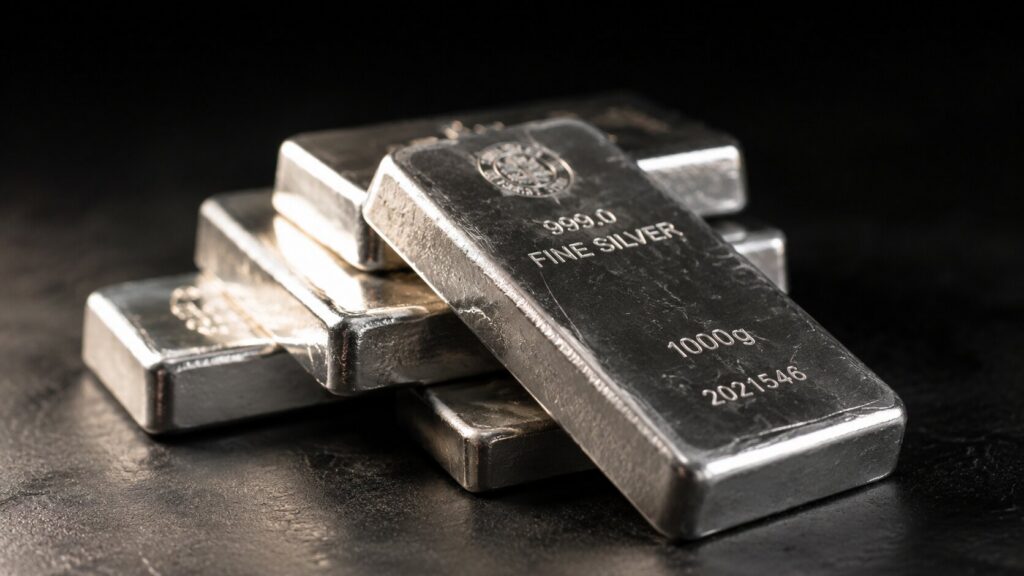
Over the past 30 days, silver has fallen more than twice as fast as gold. The gold-silver ratio now sits at 63 — up more than 8 points in a month. That move has a name, a mechanism, and a track record. Here is what drove it, and what comes next.
Every Bearish Catalyst Landed at Once. Gold and Silver Went Up Anyway.

Every bearish macro catalyst landed today at once — hot PPI, an ECB rate hike for the first time since September 2023, and a second night of US-Iran strikes. Silver opened at its lowest level since December 2025. By afternoon it was up 3.6%. Here’s what that market signal means for physical holders and what to watch before the FOMC on June 17.
May CPI Printed 4.2%. Core Inflation Beat. So Why Did the Gold Price Drop?

May CPI came in at 4.2% — the fastest pace since early 2023 — and the gold price fell nearly $100 to 11-week lows. But the headline is almost entirely an energy story: gasoline is up 40.5% year-over-year while core CPI rose just 0.2% for the month, below forecast and down sharply from April. The market sold gold on a number it was already expecting. The data behind that number tells a different story.
Gold Is Down 9%. The CPI Print That Could Either Extend the Drop — or End It.
Gold is down 9% from its April high near $4,800. Two forces drove the pullback: the Iran–Israel ceasefire unwound the geopolitical risk premium, and a blowout jobs report pushed Fed rate-hike odds to 68–70% by December. The May CPI print is the next catalyst. Here’s the mechanism behind the move — and what each scenario means for physical holders.
Does Physical Gold Have Counterparty Risk? The Facts
When you deposit money at a bank, you are not storing it. You are lending it. Physical gold counterparty risk is zero because allocated metal is not a claim on any institution — it cannot be frozen, diluted, or devalued by policy. This explainer covers the mechanism and how to structure both approaches correctly.
Gold Near $4,330 as Rate-Hike Bets Hit 70% and China Acts
Five forces are moving gold and silver right now. Strong U.S. jobs data has pushed Fed rate-hike odds above 70%. China’s biggest banks raised gold trading margins to 120% — pushing leverage below 1x. The People’s Bank of China extended its buying streak to 19 straight months. Iran announced an end to its military operation against Israel, steadying metals after last week’s 5% pullback. And elevated oil is keeping inflation expectations alive. Here is what each one means for long-term precious metals holders.
Gold Rate Hike Fears Are Weighing on Prices. Here’s the Full Picture.

Gold slipped to $4,448 this week as rate-hike fears and Middle East tensions drove a 2% weekly loss. Central banks bought 244 tonnes in Q1 2026 — yet retail demand has cooled sharply. With May jobs data due today and gold holding just above its 200-day moving average, here is what five key developments mean for anyone holding precious metals right now.
Gold Holds $4,481 With Rate Hike Risk Rising. Here’s the NFP Decision Map.

Gold is holding near $4,481 with rate hike risk rising — a divergence that, in any prior rate cycle, would have already sent gold lower. Tomorrow’s May jobs report is the last major data point before Warsh’s first FOMC meeting June 16–17. Here’s the three-scenario decision map: what a hot print, an in-line print, and a soft miss each mean for gold — and why the Fed’s policy trap makes the structural case for sound money regardless of Friday’s number.