 Silver Rises Over 120% YTD




Gold’s Drop Was the Easy Story. The Bond Market’s Non-Reaction Is the Real One.
August payrolls tripled forecasts, and gold and silver fell within minutes. But the bond market barely moved, positioning was already stretched, and gold miners fell nearly four times harder than gold itself. Here’s what actually happened, thread by thread.
Gold and Silver Drop as August Payrolls Blow Past Forecasts. Four Other Threads Moved Today Too.
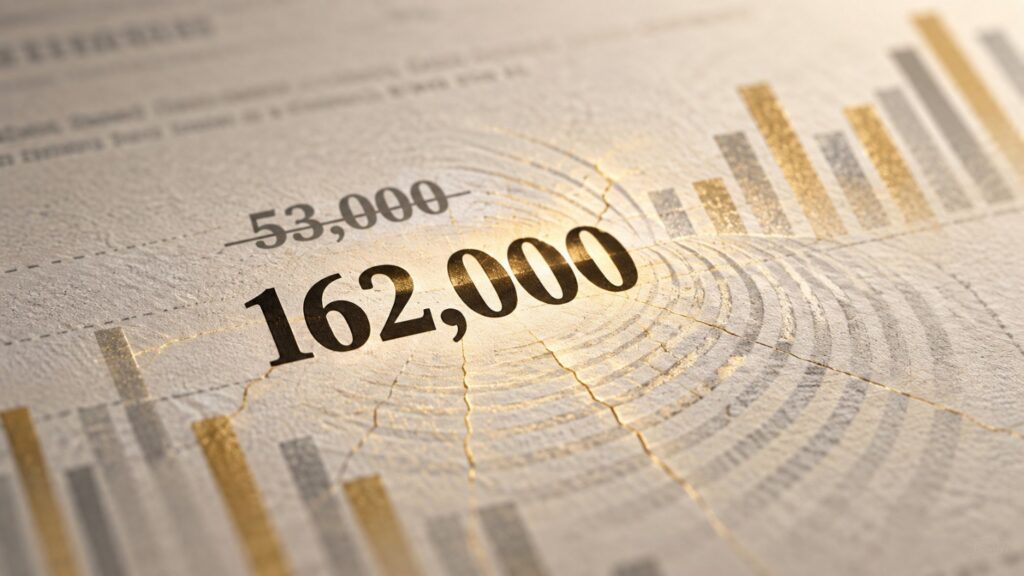
August payrolls landed at 162,000 against a 53,000 consensus, and gold and silver felt it immediately. Four other threads moved the same morning: silver’s fight to hold $65 support, AI showing up in the jobs data, central bank buying, and a widely shared claim about gold overtaking Treasuries that doesn’t hold up.
The Economy Lost 23,000 Jobs. Gold Climbed Toward $4,400. Here’s the Mechanism.

When the US economy loses 23,000 jobs and gold climbs toward $4,400, most investors are confused. Here is the exact monetary mechanism that explains why a bad jobs report is consistently good for gold — and why the composition of this rally makes it more durable than most.
Why Is Silver Outperforming Gold Today? The Dual-Engine Mechanism Explained.

Silver is up 3.65% today while gold rises 1.04%. The gold-silver ratio has compressed to 66.55. Here is the specific mechanism behind the gap — silver’s dual monetary and industrial demand engines — and why Wednesday’s CPI report matters more for silver than it does for gold.
Gold Opened at Its Highest Level Since June. Five Things Are Keeping It From Going Higher.
Gold hit a seven-week high after July’s jobs shock cut September rate-hike odds to 44%. Five forces are now pulling on the outcome — and CPI Wednesday is the override switch.
Gold Had Its Best Week Since January. Wednesday’s CPI Could Take It Back.
Gold pulled back Monday after its best weekly gain since January. Here is the exact mechanism behind last week’s 7% move, why Wednesday’s CPI print is the deciding factor for the September Fed decision, and what Iran’s refusal to reopen the Strait of Hormuz means for the inflation picture.
Gold Just Climbed to a 7-Week High. One Number Changed Everything.
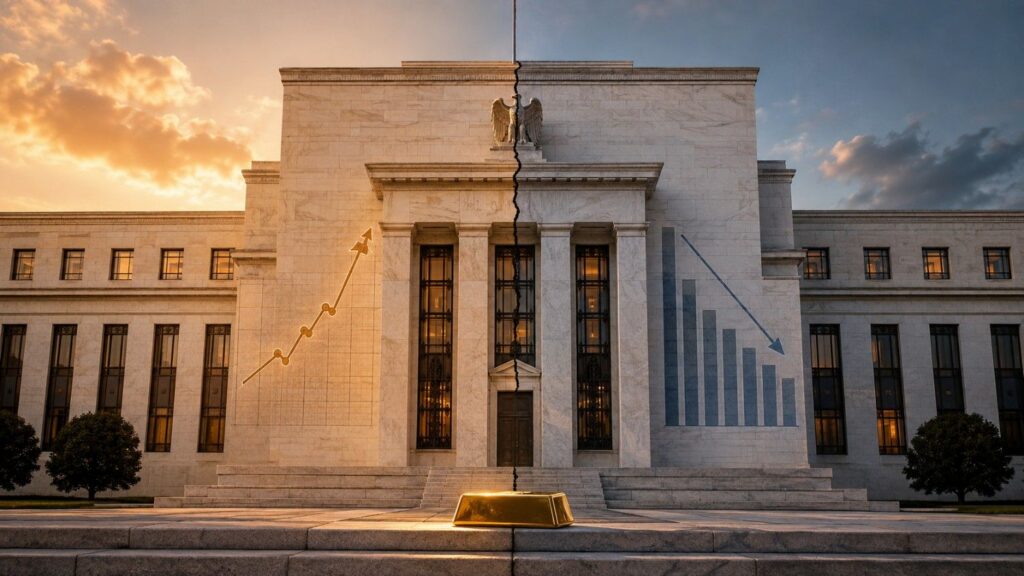
The Fed spent six months focused on one problem: inflation. July’s jobs report just gave it a second one — and gold climbed to a 7-week high as a direct result.
Gold Rallied 6% This Week. Tomorrow One Number Decides Whether It Holds.

Gold rallied 6% this week after a weak ADP jobs report cut the September Fed hike probability by 10 percentage points. Here’s exactly how tomorrow’s NFP number will move gold and silver.
Jobs Missed. Gold Hit $4,200. Silver Hit $62.
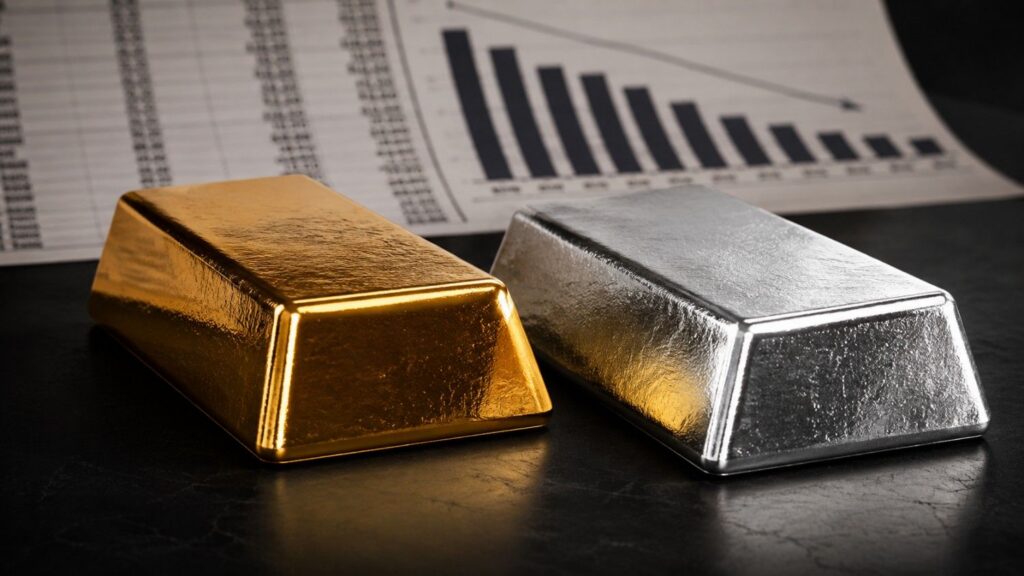
July ADP private payrolls came in at just 44,000, less than half the forecast. Here is the three-force mechanism that sent gold to $4,200 and silver to $62.
Why Gold Is Holding Near $4,067 Ahead of a Jobs Week That Could Trigger a Rate Hike

Everyone’s watching Friday’s jobs report expecting it to unlock rate cuts. This cycle it could do the opposite, with markets pricing roughly a 68% chance of a September rate hike, and gold is holding near $4,067 anyway. Here’s the stagflation bind behind gold’s resilience, and what to watch this week.


