 Silver Rises Over 120% YTD




Gold’s Pullback Isn’t About ETFs. It’s About a Treasury Buyback.
Gold and silver are cooling after a 4-6% surge this week, and the popular explanation making the rounds is incomplete. The real driver: the U.S. Treasury just doubled its own bond buybacks after a failed auction, not ETF inflows.
Gold Jumped 1.9%. Silver Jumped 2.7%. The Fed Hasn’t Said a Word Yet.
Gold jumped 1.9% and silver jumped 2.7% before the Fed’s 2 p.m. minutes even landed. The gold-silver ratio explains why silver led.
Silver Price Outlook August 2026: Down 47% and Barely Owned
Silver sits far below its January record while gold has barely corrected. Positioning data shows speculative crowding at the 20th percentile of 60 weeks. Silver is not broken. It is unowned.
The Long Bond Hit a 19-Year High. Inflation Expectations Didn’t Move.
The 30-year Treasury yield hit a 19-year high while inflation expectations barely moved. That gap explains why gold fell 1.1%, and why the reason it fell strengthens the long-term case.
FOMC Minutes Tomorrow. Jackson Hole in Nine Days. Here Is What Gold Needs From Both.
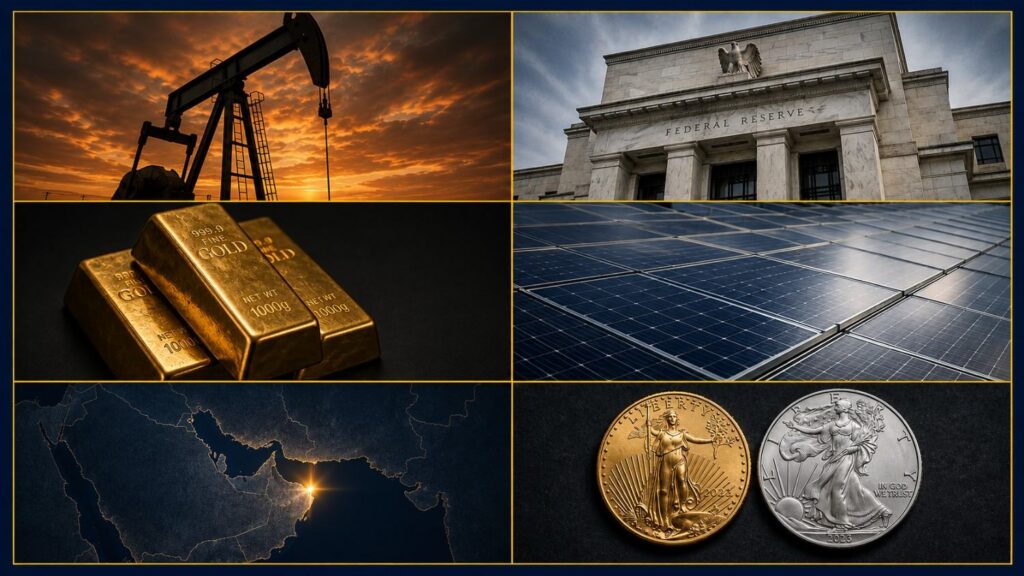
Gold is at $4,390 and silver at $64.74 as five forces hit the market at once. The Iran ceasefire expired. FOMC minutes drop tomorrow. Warsh speaks at Jackson Hole in nine days. Central banks just recorded the strongest Q2 gold buying on record. And silver is falling harder than gold — here is why each move matters.
Three Fed Officials Voted to Hike. What It Means for Gold.
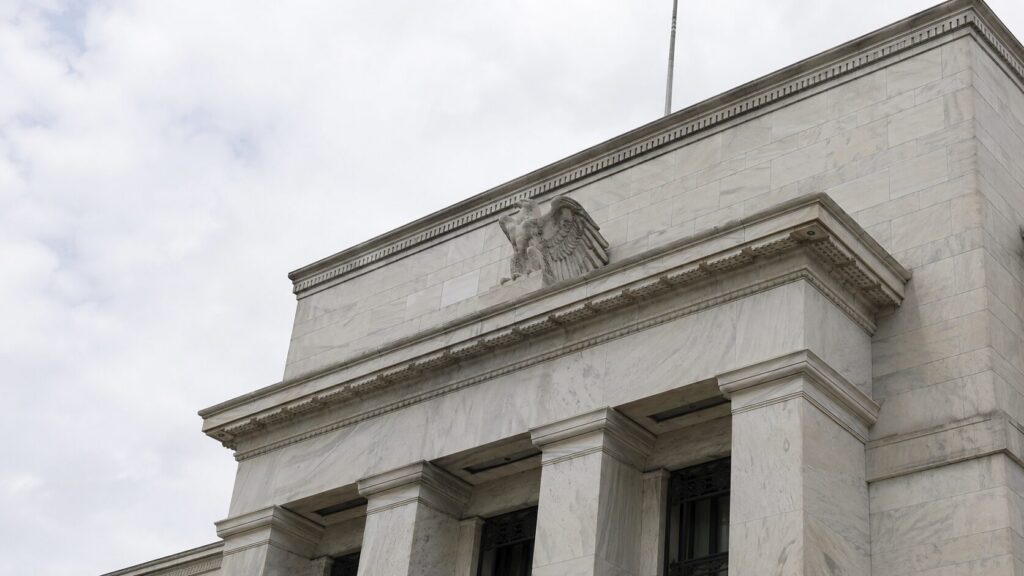
The Federal Reserve’s July 29 vote was 9 to 3. Three officials wanted to hike. Tomorrow’s FOMC minutes reveal how far that hawkish case actually got — and what it means for gold before Jackson Hole.
What Does an Inverted Yield Curve Mean for Gold Prices — and How Do You Use It?
The bond market’s most reliable recession warning has a direct connection to gold prices. Here is the mechanism — and what it means for your portfolio.
Gold Needed One Thing to Break $4,400. It Just Got Five of Them.
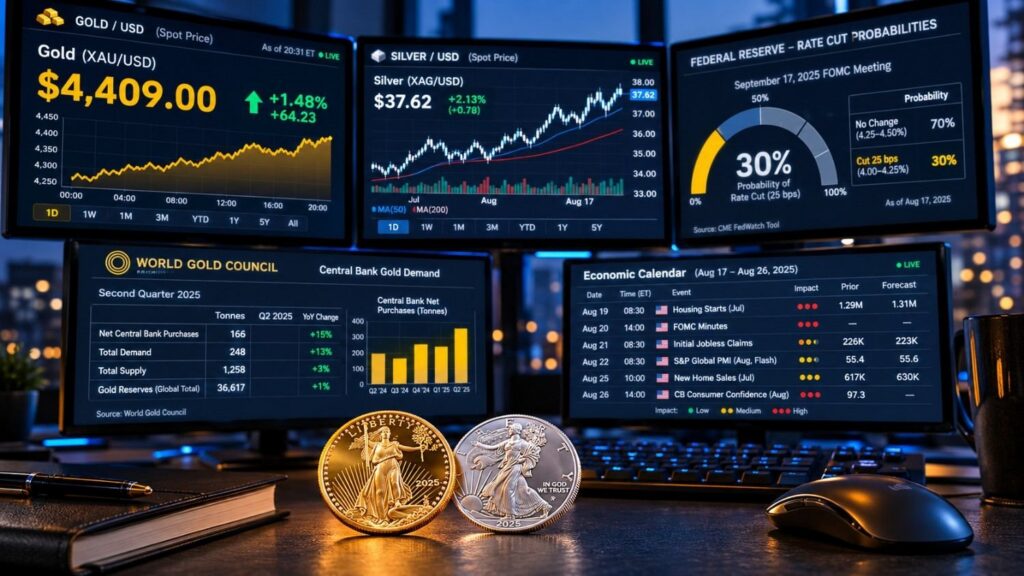
Five distinct market developments on August 17 point to the same conclusion: the policy ceiling holding gold below $4,500 is crumbling faster than most investors expected.
Zero Tankers Crossed Hormuz on Sunday. Oil Hit $89. Gold Barely Moved.

The 60-day US-Iran MOU expired this weekend with no replacement deal. Shipping through the Strait of Hormuz collapsed to zero. Oil climbed. Gold held. Here is why the non-reaction is actually the most important signal in this story.
Gold Rebounds to $4,392 as Sentiment Crashes to 51 and Inflation Expectations Rise
The University of Michigan’s August Consumer Sentiment Index fell to 51 — missing the 54.5 consensus and ending two months of improvement — while inflation expectations rose to 4.3%. The simultaneous drop in growth confidence and rise in price expectations creates a stagflation signal that limits the Federal Reserve’s options and extends gold’s tailwind heading into September.


