Silver Rises Over 120% YTD


What Is a Monetary Reset — and Is One Already Happening?
Everyone pictures the same scene: one Monday morning, the dollar cracks and cash is worthless by lunchtime. That version makes for a great movie. The real monetary reset looks nothing like it — and it may already be underway. Here is what four structural shifts are quietly telling us.
South Korea’s Central Bank Hasn’t Bought Gold in 13 Years. That Just Changed.
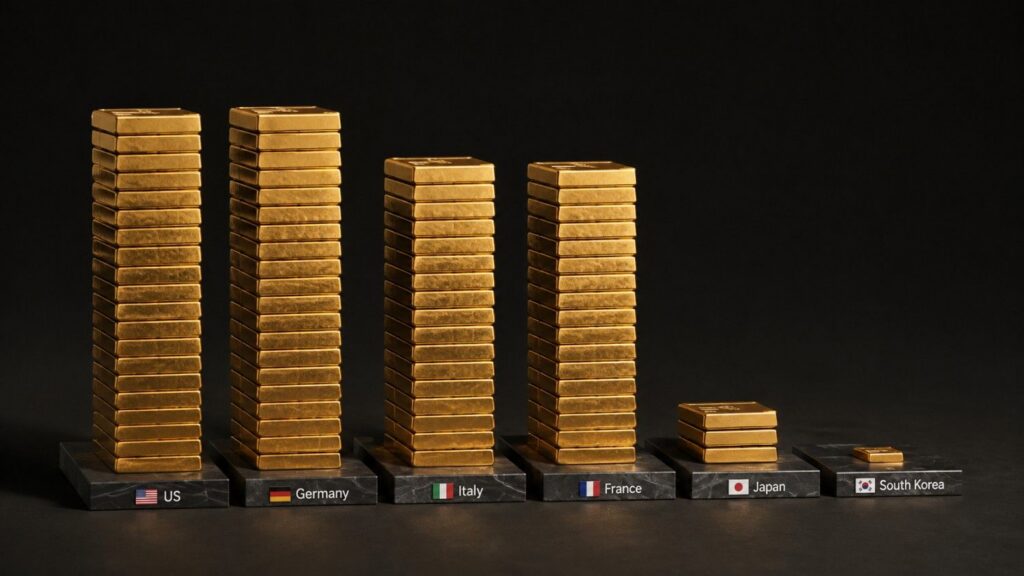
South Korea’s central bank just ended a 13-year gold freeze. The Bank of Korea holds just 1.1% of its $427 billion in reserves in gold — against 69% for the US and Germany. Here’s what its return reveals about where global central bank buying is heading.
Manufacturing Hit a Four-Year High Today. Gold Didn’t Move. Here’s Why That’s the Story.
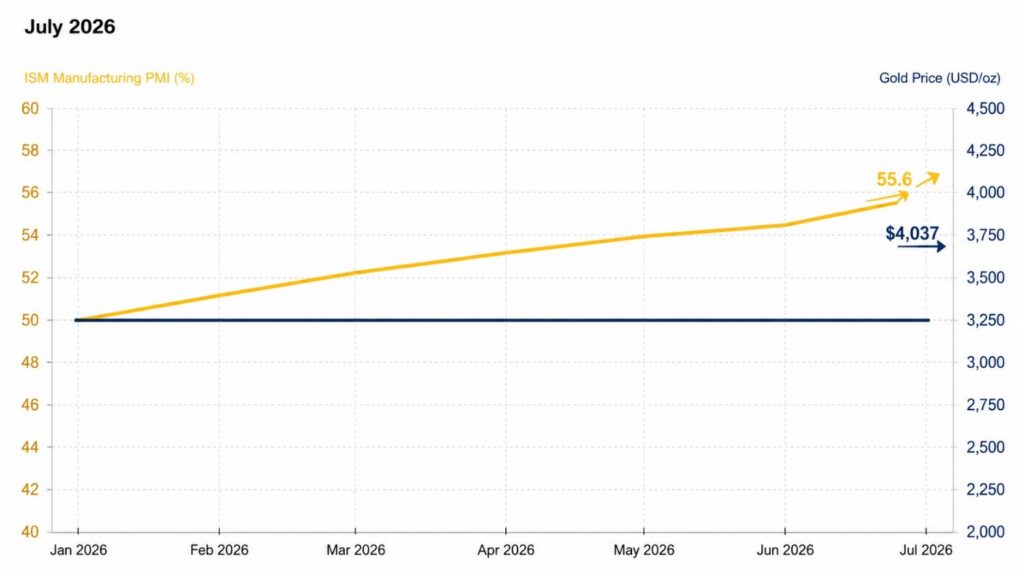
The ISM Manufacturing PMI just hit 55.6% — its strongest reading since May 2022. Gold barely moved. That non-reaction isn’t a failure to respond. It’s gold caught between two opposing forces that are almost perfectly canceling each other out, and this week’s data decides which one breaks first.
Gold ETFs Lost 45 Tonnes Last Quarter. Central Banks Bought 289. Here’s What That Split Means.
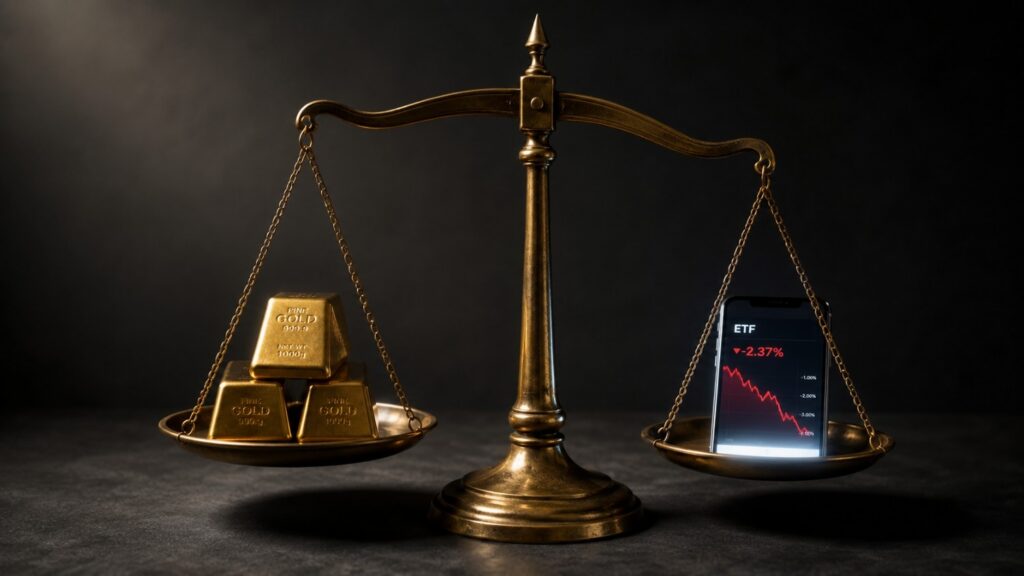
In Q2 2026, gold ETFs shed 45 tonnes. Central banks added 289 — more than six times as much. The World Gold Council data reveals what that split actually means.
Gold Had Every Reason to Rally Today. It Didn’t. Five Reasons Why.
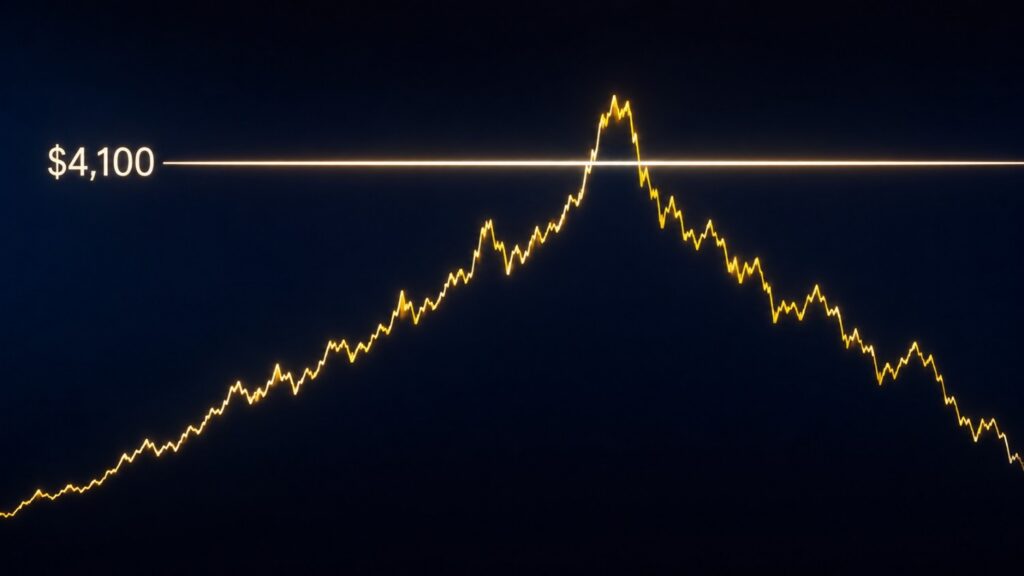
Gold opened above $4,100 this morning and gave it back within hours. Five forces explain why the rally didn’t hold: the Bank of Japan held rates as the yen hit a 40-year low, the US-Iran pause faded, Q2 GDP missed forecasts, the Fed voted 9-to-3 to hold with three regional presidents pushing to hike, and the gold-silver ratio sits near 70.
Central Banks Bought 289 Tonnes of Gold Last Quarter. Prices Were Falling the Whole Time.
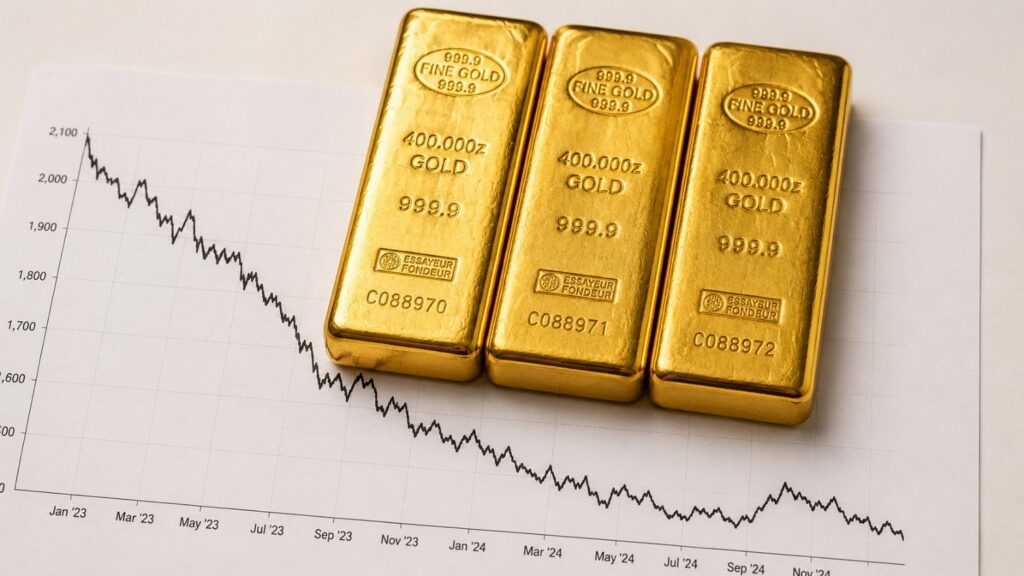
Central banks bought a record 289 tonnes of gold in Q2 2026 — while prices posted their steepest quarterly decline in a decade. The World Gold Council just published the data. Here’s what the buying pattern reveals about where the world’s largest reserve managers think the monetary system is heading.
Gold at $4,100. Silver Still Stuck Below $60. Five Signals Define the Next Six Weeks.

The Fed held rates for the fifth straight meeting. PCE cooled. Gold crossed $4,100. Silver still can’t break $60. Here are five signals defining the next six weeks before Jackson Hole.
Gold’s 27% Drawdown Matches 2008 and COVID Almost Exactly. That’s Not a Warning.
Gold has fallen roughly 27% from its January 2026 high — almost identical to its drawdown in 2008 and during COVID. Both of those corrections resolved to significant new highs. Jeff Clark breaks down what history says comes next, why central bank buying hasn’t slowed, and the third historical parallel that makes this moment even more precise than either prior comparison.
The Petrodollar System Explained: What It Is, How It Worked, and What’s Replacing It
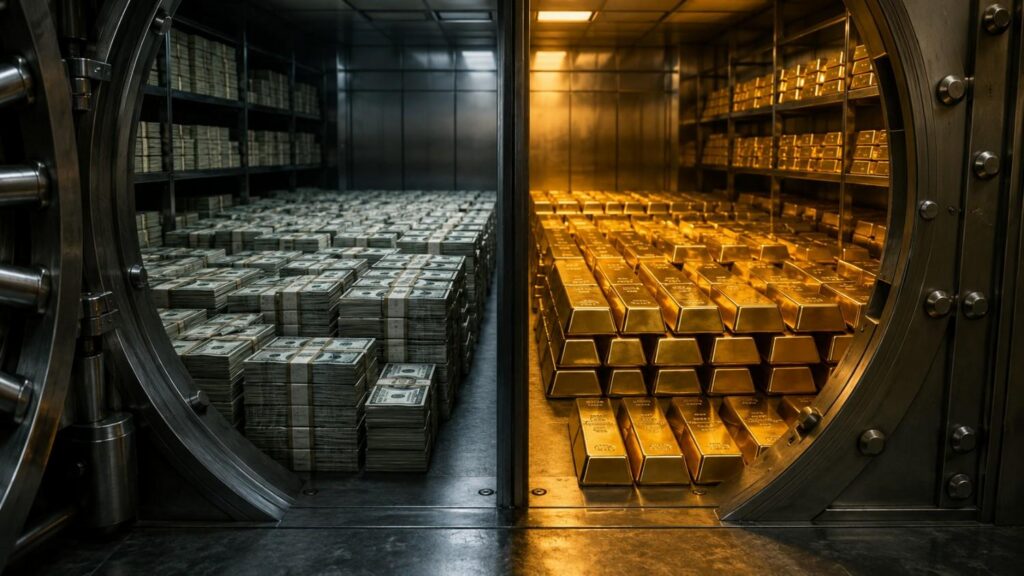
The petrodollar system gave the US dollar its dominance for 50 years — every country needed dollars to buy oil, and oil exporters recycled those dollars back into US Treasuries. That arrangement is now shifting. Here is how the system worked, why it is under stress, and why central banks are choosing gold as the alternative reserve asset.
Gold Allocation Calculator: How Much Should Your Portfolio Actually Hold?
How much gold should your portfolio hold? The generic 5–10% guidance comes from 1980s research. Updated analysis puts the optimal range higher — and the right number for you depends on specific variables you can calculate.