 Silver Rises Over 120% YTD




How Much Silver Is in a Solar Panel?

Modern panels hold an estimated 4 to 6 grams of silver, but the figure depends on rated watts and silver per watt. Learn the multiplication, why makers cut silver use sixfold since 2010, and how copper plating could shrink it again.
The Silver Supply & Demand Balance: Why the Deficit Keeps Widening
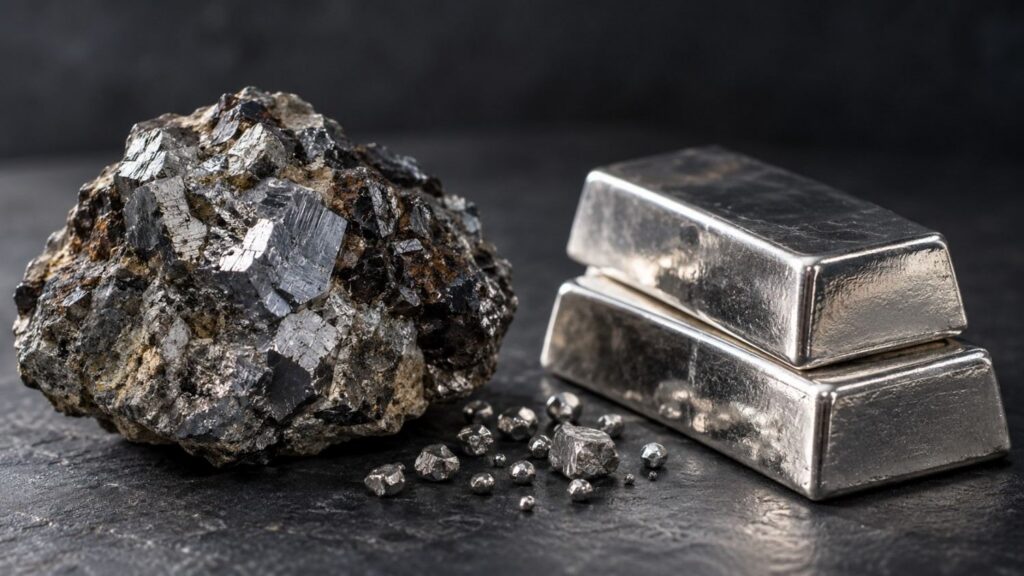
Most silver is mined as a byproduct of lead, zinc, copper, and gold, which is why six years of deficits have barely moved supply. This piece breaks down the mechanism behind the gap, and whether solar’s pullback changes the picture.
Silver Shortage and the Squeeze, Explained: Why They Are Not the Same Thing
Six straight years of silver deficits, and a price 44% below its record. Both are true. Here is the distinction between a silver shortage and a silver squeeze, and why conflating them costs money.
Silver in Economic Downturns
Key Takeaways Silver typically falls sharply in the initial phase of a recession — down approximately 57% peak-to-trough in 2008 and around 33% in 2020 — driven by contracting industrial demand and forced liquidity selling [London Bullion Market Association; Silver Institute]. In the recovery phase, silver has consistently outperformed gold — gaining approximately 400% after the 2008 crash vs. gold’s 170%, and approximately 47% in the full year 2020 vs. gold’s 25% [LBMA spot price data; Silver Institute]. The type of recession is the decisive variable. Stagflationary recessions — like the 1970s — are the most powerful environment for silver, […]
Gold-to-Silver Ratio Explained
Last updated: June 2026 The gold-silver ratio is one of the oldest tools in investing — and one of the most misunderstood. Governments used it to set monetary policy for over five thousand years. Today, individual investors use the gold-silver ratio to decide when gold is cheap relative to silver, and when silver is cheap relative to gold. This guide covers what the ratio is, how it has behaved across history, and how investors have used extreme readings to make better allocation decisions. What Is the Gold-Silver Ratio? The gold-silver ratio measures how many ounces of silver it takes to […]
When Is the Best Time to Buy Silver?
Key Takeaways There is no single best time — but four measurable signals have historically identified favorable entry windows: an elevated gold/silver ratio, a structural supply deficit, a supportive macro environment, and seasonal weakness in late June. The gold/silver ratio is the most reliable relative-value signal. Ratios above 80:1 have historically marked generational buying opportunities. The current reading of approximately 60:1 puts silver modestly below its long-term average relative to gold [Silver Institute]. Silver has been in structural supply deficit for five consecutive years (2021–2025), with a sixth projected for 2026. The cumulative shortfall has drawn down 762 million ounces […]
How Much Silver Should You Own?
Key Takeaways The 5% floor matters: A silver allocation below roughly 5% of total investable assets in precious metals is too small to move the needle. Size matters as much as the decision to buy. Use the gold/silver ratio as your rebalancing compass: The ratio sits near 61 as of June 2026 — modestly below its long-run average of 68. Above 80, silver is historically cheap relative to gold. Below 40, the reverse applies. Silver’s industrial demand is structural, not cyclical: The Silver Institute recorded four consecutive annual supply deficits through 2024. Specifically, the combined shortfall reached 678 million ounces […]
Physical Silver vs Silver ETFs
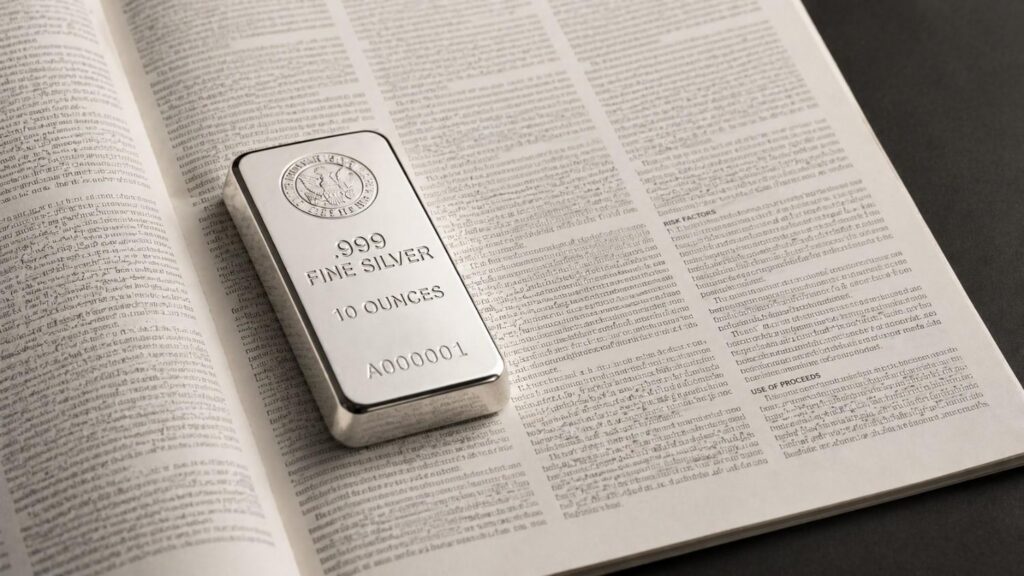
Key Takeaways SLV charges a 0.50% annual sponsor fee, paid by selling trust silver daily. On a $10,000 position held 20 years, that erodes $952 in metal — before price moves a dollar [iShares Silver Trust 10-Q, SEC, Q1 2026]. Both physical silver and SLV are taxed as IRS collectibles — maximum 28% long-term capital gains rate, versus 15–20% for most equity investments [IRS Revenue Ruling 2008-42; CNBC, 2022]. SLV’s custodian is JPMorgan Chase (London branch). That same institution holds over $4.27 billion in SLV put options per current 13F filings — a structural conflict most investors never consider [Fintel, […]
Best Silver for Liquidity
Key Takeaways What to buy The most liquid silver coins are government-minted sovereign bullion: the American Silver Eagle, Canadian Silver Maple Leaf, Austrian Philharmonic, and British Britannia [IRS Publication 590-B; U.S. Mint; Royal Canadian Mint]. All four carry instant dealer recognition worldwide and meet IRS requirements for precious metals IRA eligibility. Private mint rounds from established issuers offer a cost-efficient middle tier. Bars from LBMA-accredited refiners carry the lowest acquisition cost but the lowest retail liquidity, particularly for partial liquidation. A layered stack works best: a liquid sovereign core for near-term flexibility, supplemented by rounds or bars for bulk accumulation. […]
Silver Coins vs Bars vs Rounds
Key Takeaways Silver coins carry legal-tender status and offer the highest liquidity of any silver format — the most forgiving starting point for new investors. Silver bars offer the lowest cost per ounce. At the 100 oz size, premiums fall to $1–$2 over spot, making them the most cost-efficient choice for serious accumulation [GoldSilver market data, mid-2026]. Silver rounds are privately minted with no legal-tender status. They trade at $1–$3 over spot — cheaper than coins, but with a narrower resale market and no IRA eligibility in most cases. The silver market is entering its sixth consecutive supply deficit in […]


