Silver Rises Over 120% YTD




Thursday was a weird day to own gold.
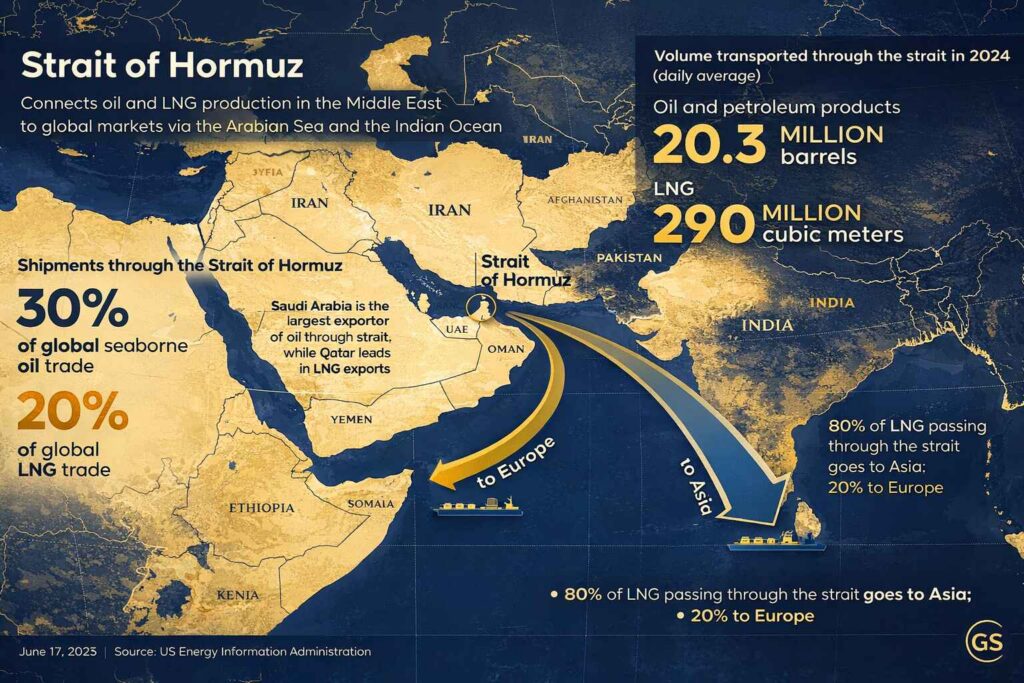
Iran was threatening to close the Strait of Hormuz — a move that would effectively cut off 20% of the world’s oil supply. Crude surged. Inflation fears spiked. And gold, the asset everyone holds precisely for moments like this… dropped more than a percent.
If that made your head spin, you’re not alone. But here’s the thing: it makes complete sense once you understand the difference between the gold market and the gold price.
Two Gold Markets. One Price.
The gold price you see on your screen is set by the paper market — futures contracts, ETFs, and leveraged institutional positions. These traders don’t actually own gold. They own exposure to gold, through financial instruments that come with margin requirements, counterparty risk, and the ever-present possibility of a forced sell.
When the dollar strengthens — which it did Thursday, as it often does during geopolitical scares — those traders get squeezed. Some face margin calls. Some need to reduce risk across their books. Gold gets sold not because anyone thinks it’s a bad investment, but because it’s liquid and they need cash. Fast.
That’s what drove the gold price drop in March 2026 — paper traders flushing positions. Gold initially spiked from $5,296 to $5,423 on the Hormuz news, then reversed hard — down more than 6% from the intraday high. Paper traders flushing positions. Nothing more fundamental than that.
Meanwhile, physical gold premiums stayed elevated. Demand from stackers, jewelers, and institutional buyers held steady. The physical market — where actual metal changes hands — told a completely different story than the futures screen.
Why Physical Holders Don’t Have to Care About Any of This
You cannot get a margin call on a gold coin. Nobody can force you to sell at the worst possible moment.
This isn’t a minor technical distinction — it’s the entire point of owning physical versus paper. Flush events like Thursday are genuinely dangerous for leveraged traders. For someone holding coins or bars, they’re just noise.
The investors who get hurt by days like Thursday are the ones who own gold through ETFs or futures and panic when they see the price drop. They sell into the flush. They lock in losses. Then gold recovers and they wonder what happened.
Don’t be that investor.
So Is the Gold Bull Market Actually Over?
Not even close. Gold is in a long-term correction that started in early March after hitting an all-time high of $5,589. That’s normal. Every major bull run includes these pullbacks — they shake out weak hands and reset positioning for the next leg higher.
The structural reasons gold ran from $2,600 to over $5,000 in twelve months haven’t changed. Central banks are still buying. The dollar outlook is still soft. U.S. fiscal deficits aren’t shrinking. And now you can add a hot war in the Middle East with real oil supply implications to the list.
J.P. Morgan’s 2026 gold target is $6,300. Deutsche Bank sees $6,000. Both were set before the Iran escalation. If anything, Thursday’s news strengthened the fundamental case.
The $5,000 level is the line to watch. As long as gold holds above it, this is a correction inside a bull market. A close below $5,000 would warrant more attention — but we’re not there yet.

The Financial System Isn’t Safer — And You Know It As risks mount, see why gold and silver are projected to keep shining in 2026 and beyond.
What Should You Actually Do?
If you own physical gold: nothing. Sit tight. You bought it for exactly this kind of environment.
If you’ve been sitting on the sidelines: flush events like this have historically been decent entry points for physical purchases. Not because the bottom is definitely in, but because the long-term case hasn’t weakened — and you’re buying at a lower price than you could have a week ago.
The one thing that doesn’t make sense is treating Thursday’s paper market drama as a signal about the fundamental value of gold. It wasn’t. It was a liquidity event in a leveraged market. Those are very different things.
Investing in Physical Metals Made Easy

People Also Ask
Why did gold prices fall in March 2026?
The gold price drop in March 2026 was largely due to short-term market dynamics rather than a fundamental change in gold’s outlook. A stronger U.S. dollar, portfolio rebalancing by institutional investors, and profit-taking after recent price gains all contributed to the pullback.
Short-term corrections are common in the gold market, particularly after strong rallies. These movements often reflect trading activity and liquidity conditions rather than long-term changes in gold’s role as a hedge or safe-haven asset.
Should gold always rise during geopolitical crises?
Gold often rises during periods of geopolitical stress, but the reaction isn’t always immediate. The gold price drop in March 2026 is a good example of this — Iran’s Strait of Hormuz threats sent crude surging, yet gold initially sold off as dollar strength squeezed leveraged traders.
Over longer periods, geopolitical uncertainty tends to support gold prices as investors seek assets that are independent of government currencies and financial systems.
Does a short-term drop mean gold’s bull market is over?
No, a short-term decline does not necessarily mean the end of a gold bull market. Gold has historically experienced multiple corrections during long-term uptrends.
Temporary pullbacks are common as markets digest economic data, interest rate expectations, or shifts in investor sentiment. Long-term gold trends are typically driven by broader forces such as inflation, real interest rates, and global monetary policy.
Why do institutional investors sometimes sell gold during market stress?
Institutional investors occasionally sell gold during periods of market volatility to raise cash or rebalance portfolios. Because gold is a highly liquid asset, it can be quickly sold to meet margin calls or reduce risk exposure.
These sales are usually tactical and short-term. Over longer periods, many institutions hold gold as a portfolio diversifier and a hedge against inflation, currency debasement, and systemic financial risks.
Why do investors hold physical gold instead of paper assets?
Many investors hold physical gold because it carries no counterparty risk. Unlike stocks, bonds, or financial derivatives, physical gold is not dependent on the solvency of a bank, government, or financial institution.
Physical gold also does not involve leverage or margin calls, allowing investors to hold it through market cycles and financial instability.