 Silver Rises Over 120% YTD




The Cantillon Effect: Why Money Printing Makes Some People Rich First

New money doesn’t reach everyone at once: banks and asset holders get it first, wage earners get it last, after prices have already moved. Using Fed balance-sheet data and its own Distributional Financial Accounts, this piece traces exactly how that sequence played out from 2008 to 2022, and why physical gold and silver sit outside the mechanism entirely.
Even Central Banks Don’t Trust Someone Else’s Vault Anymore
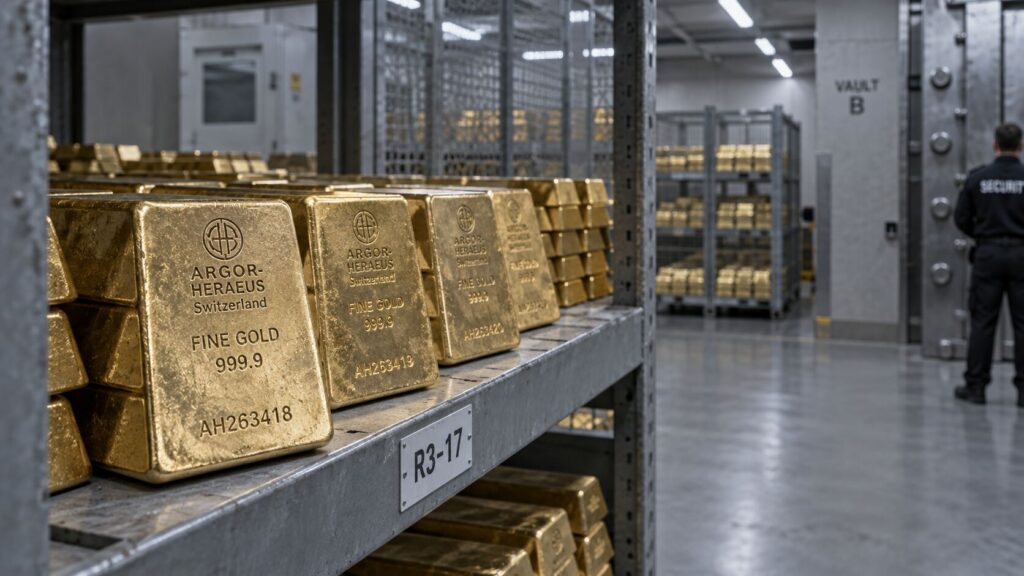
A Dutch central bank move of $10 billion in gold — and a quiet shift in COMEX’s own vault data — both point to the same lesson: access and control matter more than technical ownership, for sovereigns and individual holders alike.
Is Stagflation Already Here? A Mortgage Veteran Says Yes — and Explains Why

A 40-year banking veteran says stagflation isn’t coming, it’s already here. Christopher Whalen explains the falling-home-value data, a shaky Fed, and why he holds gold in his own sock drawer.
Four “Imminent Collapse” Arguments Are Everywhere Right Now. Here’s What the Data Actually Shows.

National debt, AI valuations, foreclosures, private credit — four separate arguments for an imminent collapse are circulating right now. We checked each one against the primary data. None of them, on the numbers, point to a sudden shock.
What Are the IRS Rules for a Precious Metals IRA in 2026?
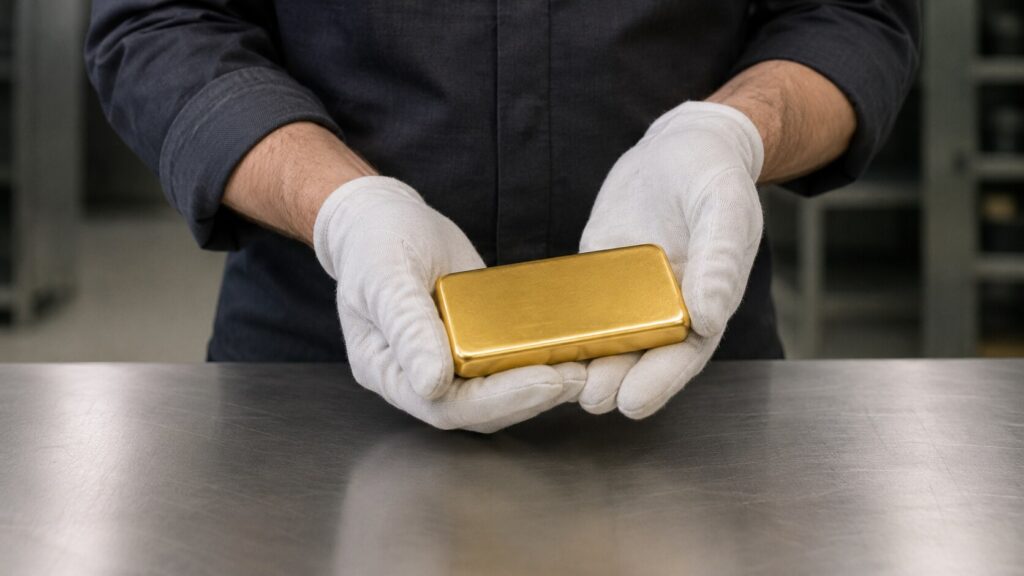
Two tests decide whether a retirement account can hold bullion, and the industry quotes only one of them. The purity figures everyone cites are not in the tax code. The condition that is there cost one couple $411,000 when they kept eligible coins in a home safe.
Gold Beat Aircraft and Oil to Top America’s Export List. Nobody Agrees Why.

Gold reached the top of the US export table in three separate months, out of more than 1,200 categories. That makes gold the largest US export by value. The trade-deficit offset climbed from under 4% to about 19%, and the cause is contested.
A Stablecoin Issuer Bought More Gold Last Year Than Any Central Bank
The Fed’s flagship conference is about payment rails this year, not the level of rates. ECB data explains why that is a gold story, and why the most striking buyer of 2025 was not a central bank at all.
Gold’s Speculative Crowd Hit a 60-Week High. Almost Nobody Bought.

Two metals rallied this week on the same headline. Underneath, the last CFTC positioning data, as of August 11, shows opposite structures. Gold’s short book has thinned to 64% of normal. Silver’s is still at 87%. Only one of these prices has a cushion under it.
What Is Sound Money? Why the Dollar Lost 87% of Its Value Since 1971

Sound money is money whose supply cannot be expanded by decree, so it holds its purchasing power over time. The principle shaped the 19th-century gold standard. Since that constraint ended in 1971, the dollar has lost roughly 87% of its purchasing power.
China Bought the Most Gold Since 2023 in July. Here’s Why.
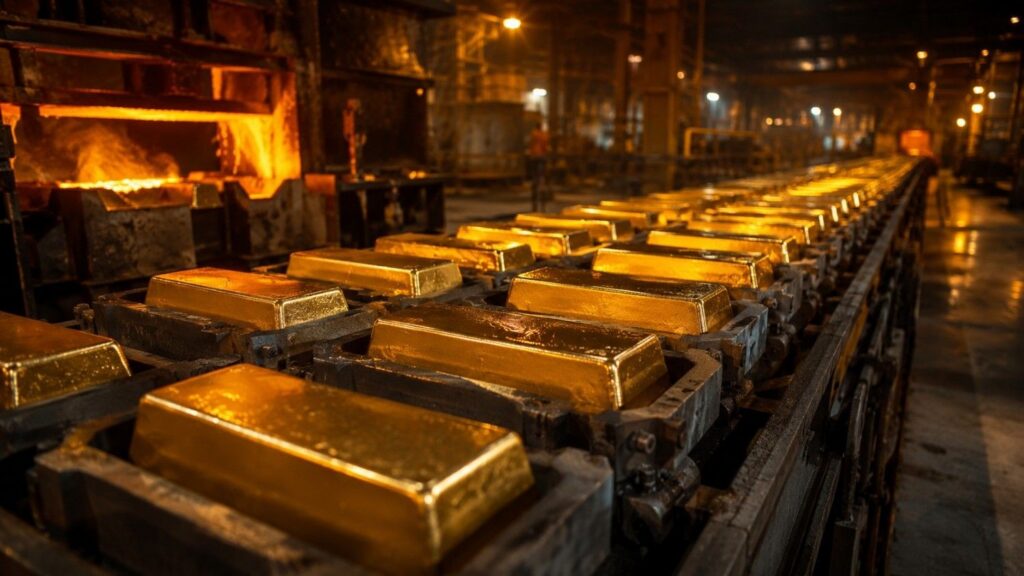
China’s central bank just recorded its largest single-month gold purchase since October 2023. The number is notable. The structural reason behind it — a 19-percentage-point reserve allocation gap that no short-term price move will close — is what every gold owner needs to understand.


