Silver Rises Over 120% YTD


298 Tonnes of ETF Gold Is Underwater. Central Banks Aren’t.
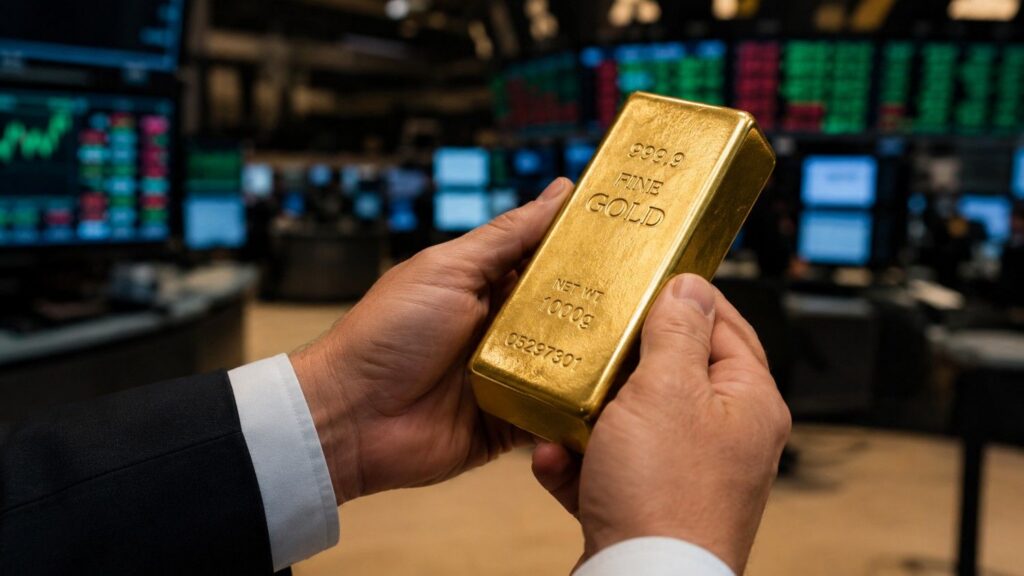
Approximately 298 tonnes of gold inside ETFs is currently held at a loss at current price levels — a structural ceiling on any near-term recovery. At the same time, the WGC’s 2026 survey found a record 45% of central banks plan to add to their reserves. Two markets. One metal. Very different time horizons.
Gold Storage Fees Cost $72 a Year. Your Insurance Covers $200.

Allocated gold storage costs 0.18% a quarter, or $72 a year per $10,000. That is more than GLD, IAU or GLDM charge. But the fee spread across every way of holding gold is only about $62 a year, while the standard homeowners form caps bullion at $200 total. Here is what the premium buys, and which number actually decides where your metal should sit.
The Gold Market Is Mostly Paper. Dubai Disagrees.
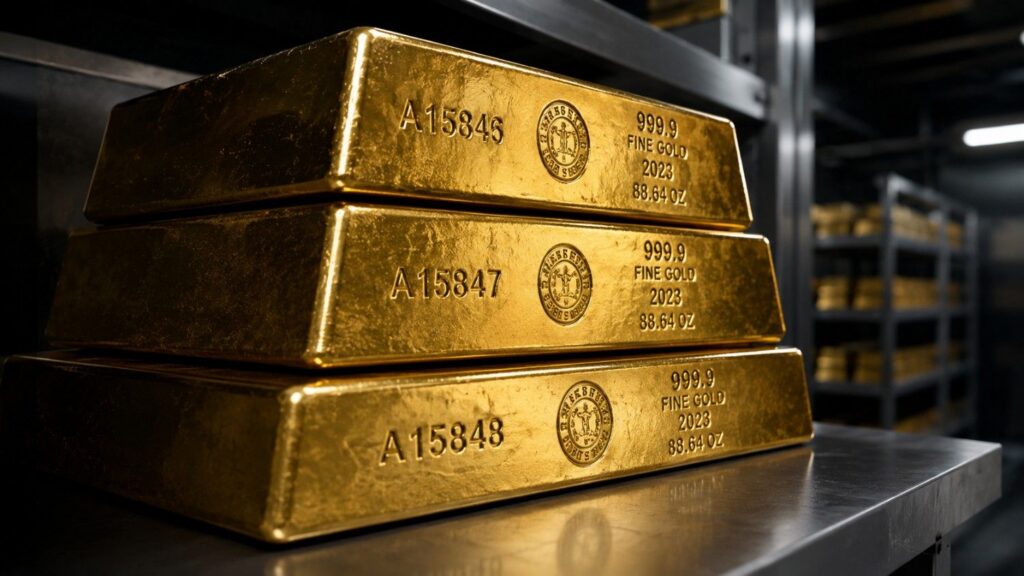
Most gold doesn’t move when it’s “traded” — it changes hands as a ledger entry in an unallocated account. A new report shows Dubai is building a different system entirely, where ownership means a specific bar, not a claim on a pool. Here’s what the difference means for your portfolio.
Silver vs. Gold: A Clear 5-Year Investment Guide (2026–2031)

Gold has crossed $5,000. Silver has broken $100. With precious metals at historic highs, the silver vs gold investment debate has never been more relevant. This guide breaks down risk profiles, industrial demand, price forecasts, and portfolio allocation strategies to help you decide how to position your precious metals holdings for 2026–2031.
Why Gold Stabilizes — and Silver Amplifies

Gold and silver share the same label—but they don’t play the same role. Gold stabilizes your portfolio through market uncertainty, while silver amplifies both gains and losses. Learn the structural differences between the two metals, and how understanding each one’s unique behavior can help you build a more resilient, strategically balanced investment portfolio.
Best gold investment in 2026: bars, coins, IRA or ETF?

Gold has surged 41% over the past year and hit a record $5,589 per ounce in January 2026. But owning gold and owning it well are two different things. This guide breaks down the real costs, tax treatment, and trade-offs of every major format — bars, coins, ETFs, and IRAs — so you can choose the one that fits your situation.
Is Gold a Better Investment Than Bitcoin Right Now?
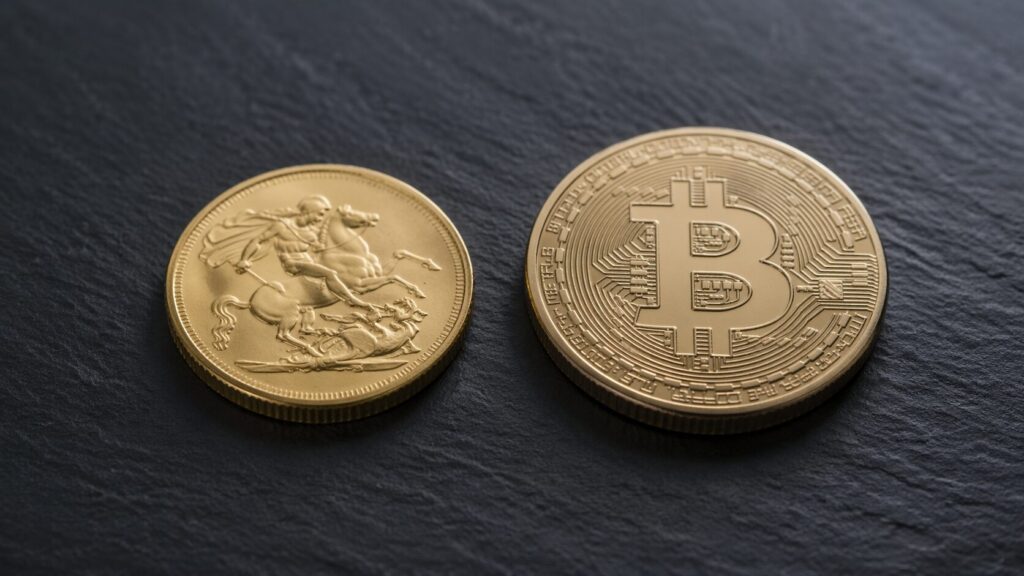
Gold hit an all-time high of $5,589 in January 2026 and has since pulled back 14%. Bitcoin is down more than 41% from its own 2025 record. The gap between those two numbers is the whole story.
Gold Price Forecasts for 2026, Revisited After Q1

Gold prices are shaped by powerful forces — real interest rates, U.S. dollar strength, central bank demand, and geopolitical risk. This guide breaks down the key drivers behind gold future prediction, reviews a decade of historical performance, and outlines what investors should watch heading into 2026.
Gold ETFs Are Booming. But Do You Actually Own Gold?
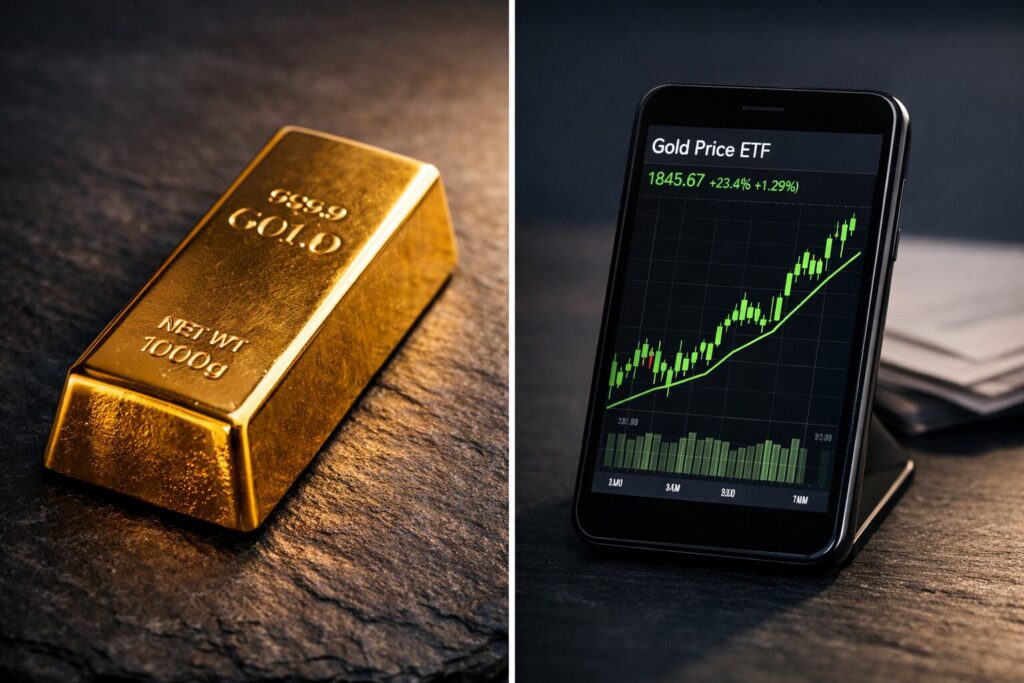
Gold ETF inflows are rising, but are investors getting the protection they think? This guide breaks down the real differences between gold ETFs and physical gold — covering counterparty risk, long-term costs, liquidity, and what each option actually delivers when markets are under stress. If gold is in your portfolio to do a job, here’s how to make sure you’re holding the right version of it.
Small Market, Big Swings: Why Silver Is More Volatile Than Gold

Silver can outpace gold on a rally—and fall twice as fast in a selloff. The cause isn’t speculation. It’s structure. Here’s how the size of each market shapes price behavior.