Silver Rises Over 120% YTD


Gold at $4,454 Says the Fed Is Trapped. Here’s Why.
Friday’s jobs report doesn’t just move gold for 48 hours. This time it sets the stage for Kevin Warsh’s first FOMC meeting, a divided committee, and 3.8 percent inflation the Fed can’t cut through. Three scenarios. One structural trap. Here’s the framework before the number drops.
Central Banks Picked Gold Over Treasuries. Should You?
The ECB just confirmed gold leads global reserves for the first time since 1996 — ahead of US Treasuries. Central banks that could have rebalanced didn’t. Here’s the mechanism behind that choice, and what it means for individual savers.
Central Banks Just Crossed a Line Not Seen Since 1996

The ECB just confirmed gold has overtaken U.S. Treasuries as the world’s top reserve asset for the first time since 1996. India’s government denied selling $12 billion in gold the same morning Bloomberg said it did. And gold is trading $300 below what 30 Reuters analysts say it should be worth. Five signals. One story.
Gold Price History: From $35 to $4,500 in 100 Years
Gold went from $35 in 1971 to around $4,500 today — a 12,000% gain since the gold standard ended. Meanwhile, the dollar lost 96.9% of its purchasing power over the same period. These are not two separate stories. This is the complete gold price history: decade by decade, the real cause behind every major move, and what a century of data tells investors right now.
Gold at $4,500: What Fort Knox, China, and Silver Are Telling You
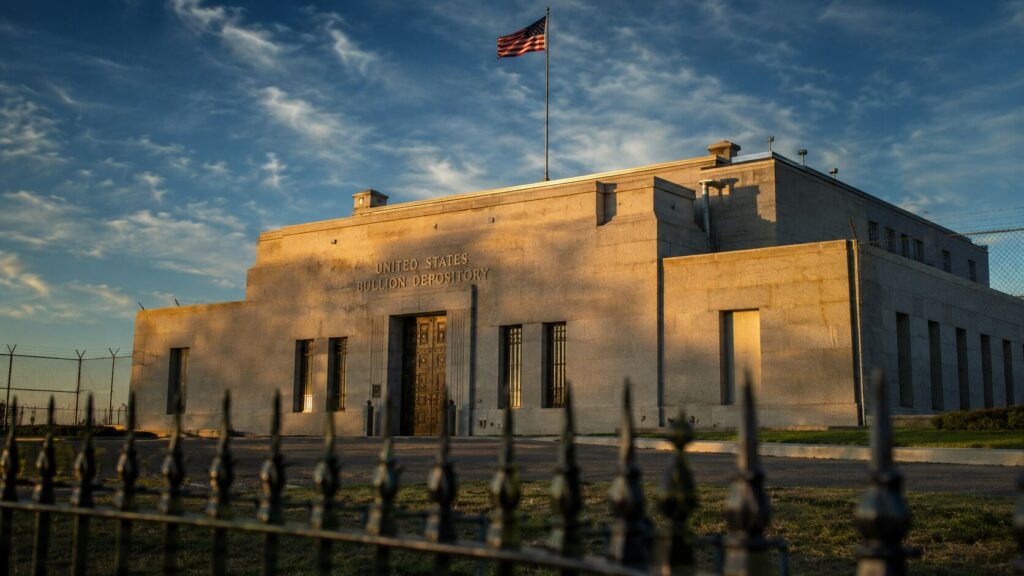
Fort Knox holds $662 billion in gold not independently audited since 1953. China has bought gold for 13 straight months. Manufacturers are signaling inflation isn’t finished. Fourteen states just made gold and silver constitutional money. And silver is outperforming gold 2:1 today. Five stories. One through-line. Here’s what they mean for your metals.
The Debasement Trade Explained: Mechanism, History, and What It Means for Gold
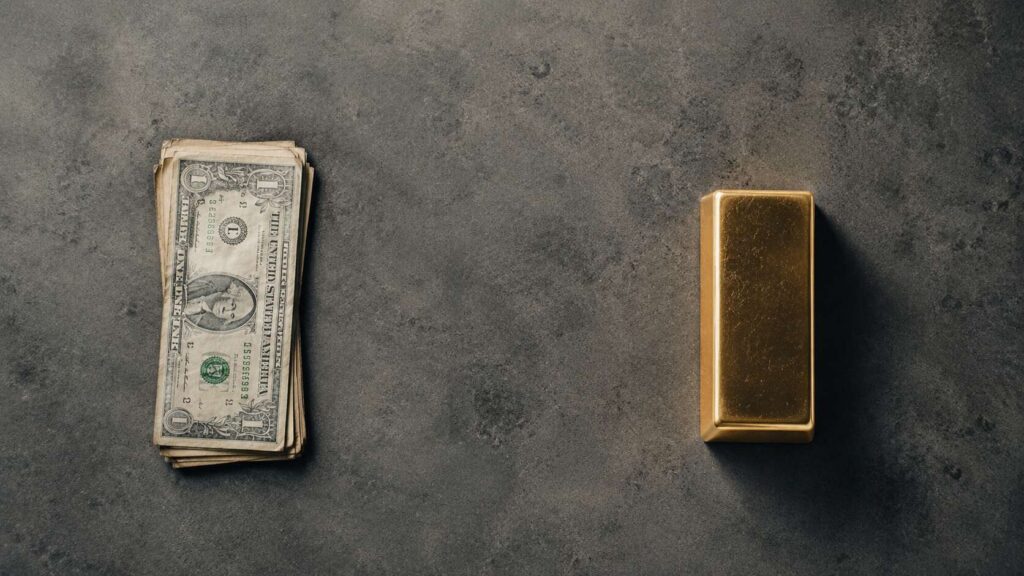
Five years ago, “debasement trade” was Austrian economics jargon. Today Goldman Sachs, Citi, and J.P. Morgan use it in their research notes. Here’s what it means, why it works, and why gold and silver are the primary instruments.
Silver Has Two Engines. Stagflation Is the One Condition That Fires Both at Once.
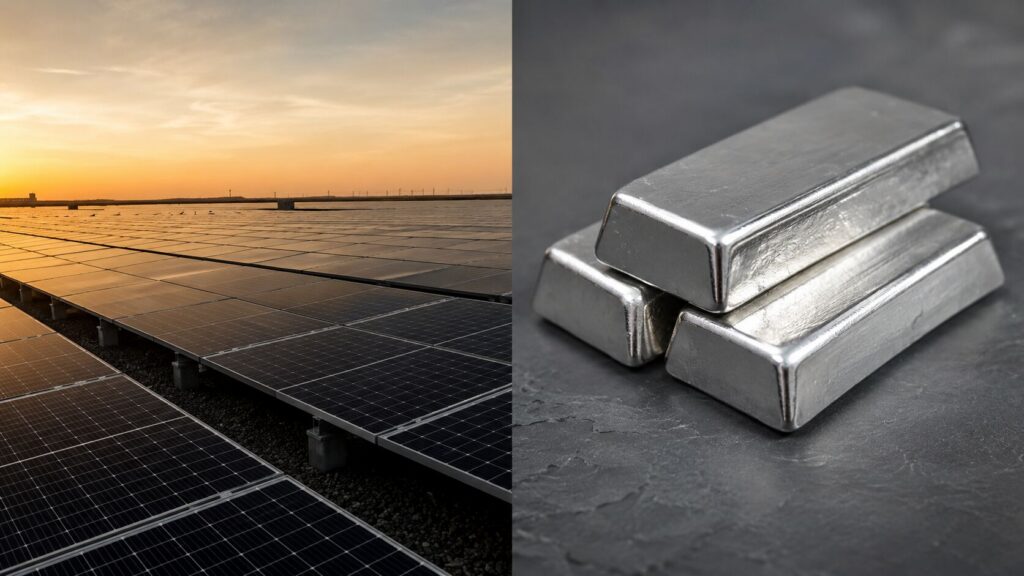
Most assets have a simple relationship with stagflation. Silver doesn’t. It answers to two entirely separate demand pools — industrial and monetary — that in most macro environments pull against each other. Stagflation is the rare condition where both pull in the same direction at once. Here’s why that matters for investors holding physical silver today.
The Buyer List for Gold Just Got Longer. These Countries Have Never Bought Before.
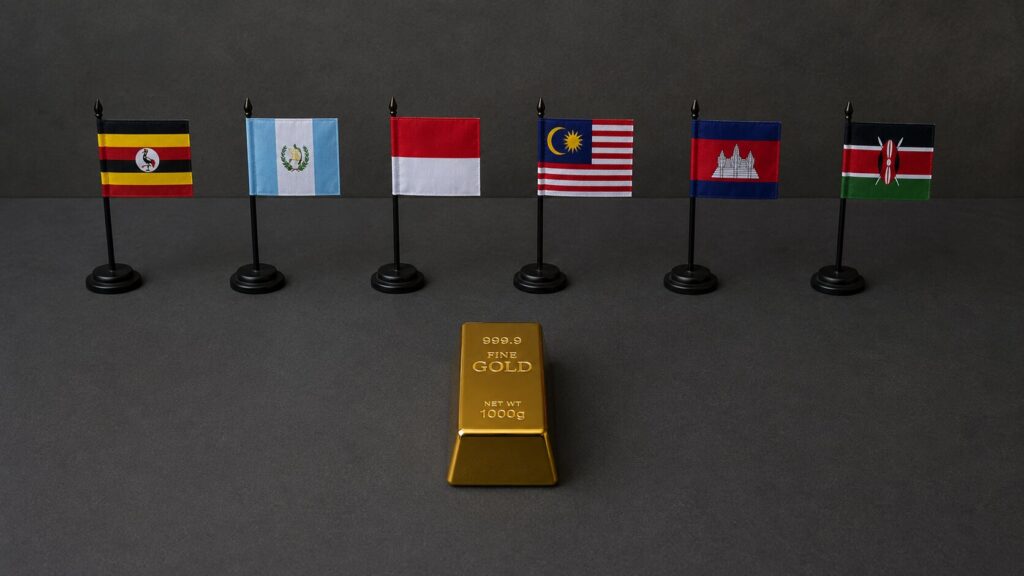
Central banks purchased a net 244 tonnes of gold in Q1 2026 — and for the first time, the buyer list includes countries like Guatemala, Indonesia, Malaysia, Cambodia, Uganda, and Kenya. Some are buying gold for the first time in their institutional history. Others are returning after decades of absence. Here is what the world’s most sophisticated reserve managers are telling you by voting with their balance sheets.
Kevin Warsh Wants to Fix the Fed. The Math Says He Can’t.
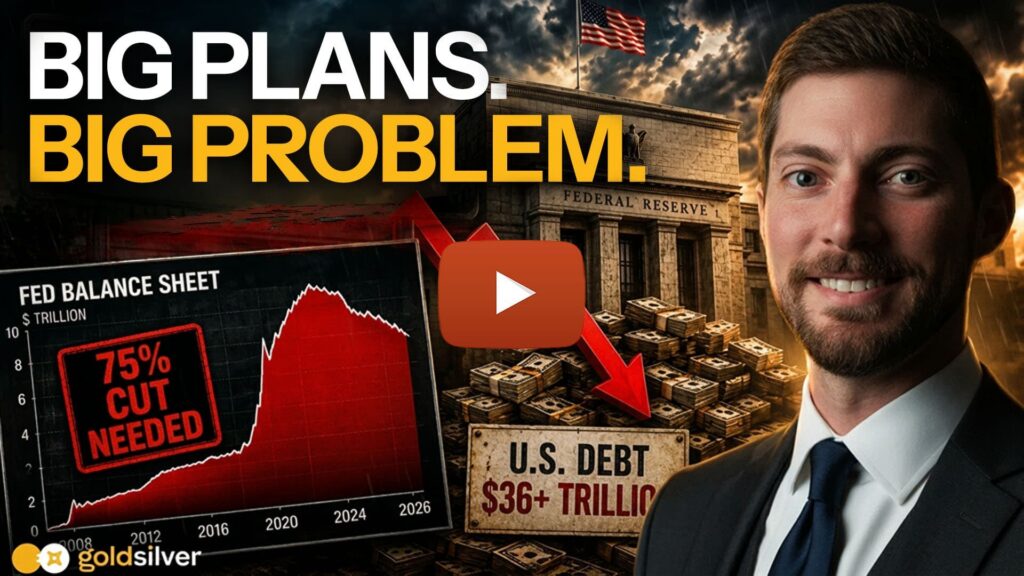
Kevin Warsh arrived at the Fed with a bold agenda — shrink the balance sheet, normalize policy, restore credibility. But with $6.7 trillion in assets, global bond yields at multi-decade highs, and markets pricing in rate hikes instead of cuts, the math is working against him. Alan breaks down why the plan may be dead on arrival and what it means for gold.
What Do Central Banks Know About Gold That You Don’t?
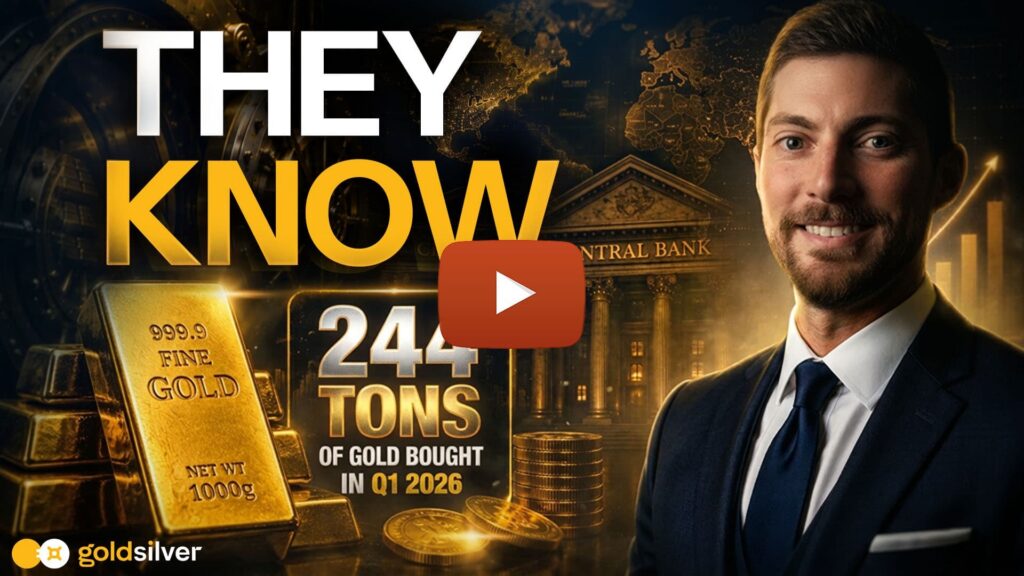
Central banks purchased a net 244 metric tons of gold in Q1 2026 — the fastest pace in over a year — despite prices hitting a record $5,405 per ounce. The World Gold Council data reveals who’s buying, who’s selling, and why this relentless accumulation at all-time highs signals a growing loss of confidence in fiat currencies. If central banks are protecting themselves regardless of price, the rest of us should be paying attention.