 Silver Rises Over 120% YTD




Gold at $4,480: Physical Demand Hits a 50-Year Milestone
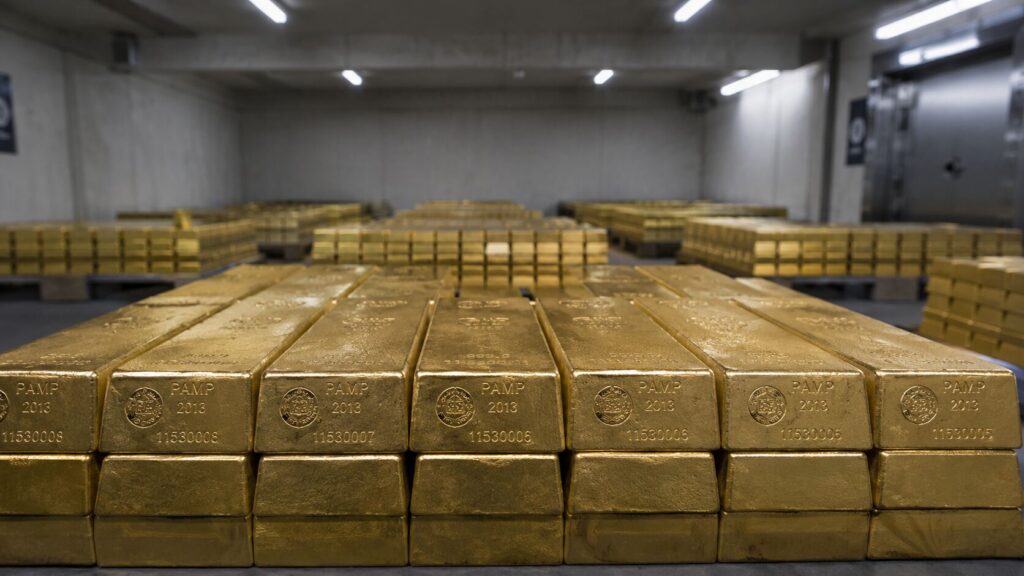
Central banks reshape gold markets through the most concentrated sovereign buying in decades — but that’s only one of five forces moving gold right now. Physical investment is overtaking jewelry demand for the first time on record. Russia’s figures don’t add up. China just hit the brakes. Here’s what’s driving the market.
Central Banks Picked Gold Over Treasuries. Should You?
The ECB just confirmed gold leads global reserves for the first time since 1996 — ahead of US Treasuries. Central banks that could have rebalanced didn’t. Here’s the mechanism behind that choice, and what it means for individual savers.
Central Banks Just Crossed a Line Not Seen Since 1996

The ECB just confirmed gold has overtaken U.S. Treasuries as the world’s top reserve asset for the first time since 1996. India’s government denied selling $12 billion in gold the same morning Bloomberg said it did. And gold is trading $300 below what 30 Reuters analysts say it should be worth. Five signals. One story.
Gold Price History: From $35 to $4,500 in 100 Years
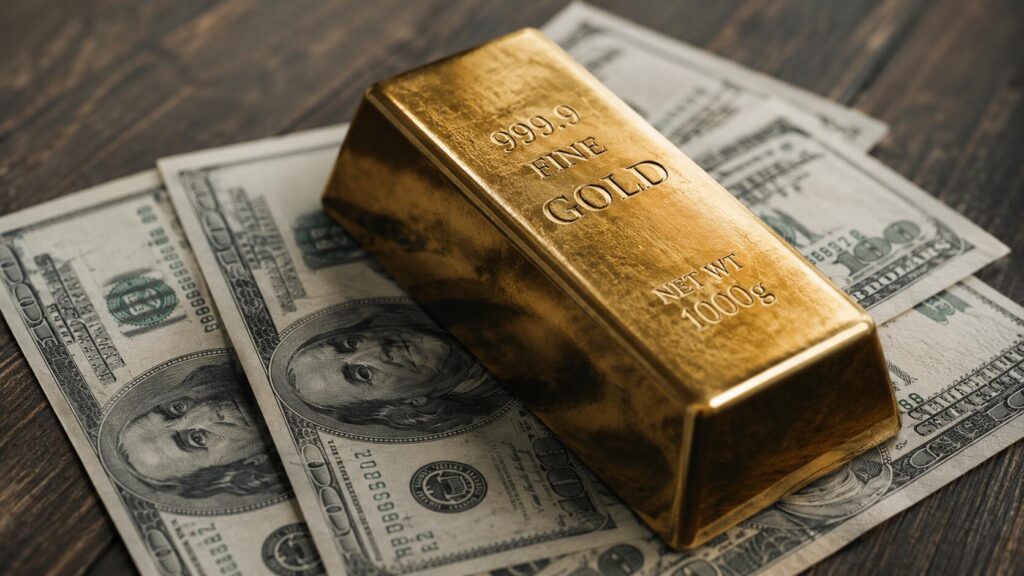
Gold went from $35 in 1971 to around $4,500 today — a 12,000% gain since the gold standard ended. Meanwhile, the dollar lost 96.9% of its purchasing power over the same period. These are not two separate stories. This is the complete gold price history: decade by decade, the real cause behind every major move, and what a century of data tells investors right now.
The Buyer List for Gold Just Got Longer. These Countries Have Never Bought Before.
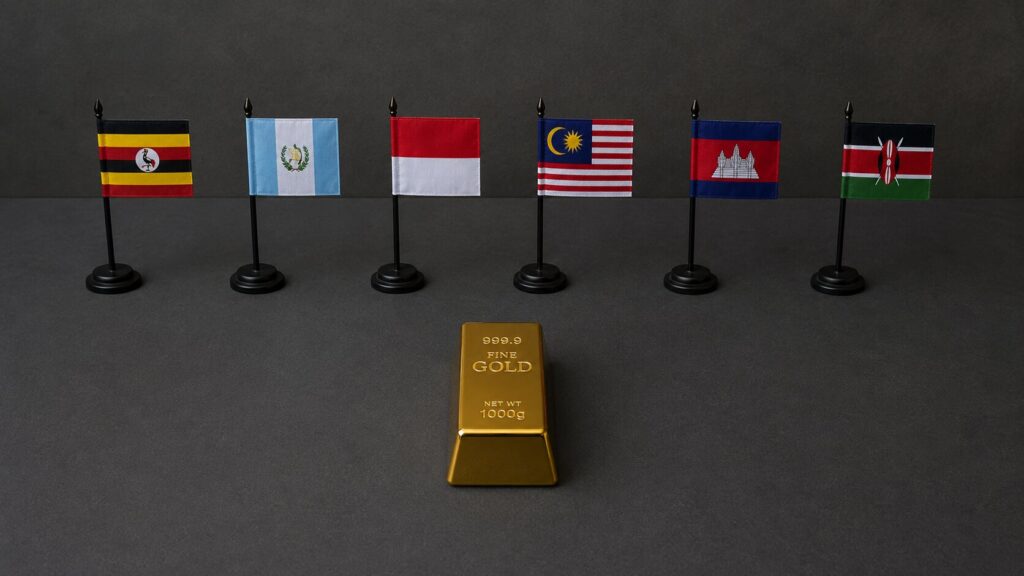
Central banks purchased a net 244 tonnes of gold in Q1 2026 — and for the first time, the buyer list includes countries like Guatemala, Indonesia, Malaysia, Cambodia, Uganda, and Kenya. Some are buying gold for the first time in their institutional history. Others are returning after decades of absence. Here is what the world’s most sophisticated reserve managers are telling you by voting with their balance sheets.
Gold Price at ~$4,502: Is the Dip a Buy? BofA Says $6,000
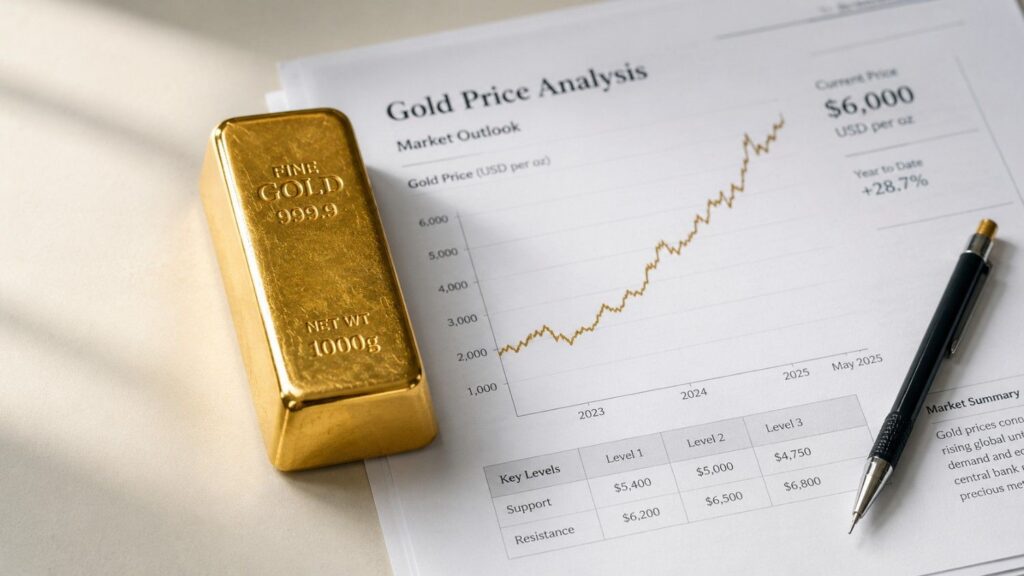
Gold dropped to ~$4,502 this morning on rising yields and a stronger dollar. Bank of America has a $6,000 target. Goldman Sachs says buy the dip. Five developments, one thread — and the mechanism connecting them is more important than today’s price move.
BRICS Is Hoarding Gold. Here’s What It Means for Your Portfolio.
Central banks are buying gold at near-record pace. BRICS+ nations are building a monetary alternative. Most investors are the last to hear about it — and the last to position. Here’s the mechanism, the portfolio logic, and what to actually do about it.
Gold to Oil Ratio: The Ultimate Guide for Economic & Portfolio Analysis
The gold-to-oil ratio has tracked monetary and economic conditions for over a century. This guide explains how to calculate it, what its historical range means, how it signals inflation and dollar risk, and how to use it as a practical portfolio analysis tool — without relying on a single day’s prices.
What Happens to Gold and Silver When the Dollar Loses Its Reserve Status?
The dollar’s reserve currency status has never been permanent — and history shows that when monetary systems shift, gold and silver are where capital moves. Here’s what a reserve currency transition could mean for precious metals investors.
What Happens to Gold When the Dollar Crashes?
Every major dollar devaluation cycle since 1971 has produced a significant rally in gold. Here’s what the historical record shows, what central banks are doing about it, and what it means for investors today.


