 Silver Rises Over 120% YTD




Why Your Commodity ETF Gives You Almost No Gold — and What That Costs You

Commodity indices give gold as little as 7.2% of their weight — and deliver even that through futures contracts with built-in roll costs. Here’s why the math doesn’t work for long-term investors, and what physical storage changes about the equation.
Gold Fell 47 Percent in the 1970s Before Its Biggest Run. The Chart Looks Like Right Now.

In the middle of the 1970s gold bull market, gold fell 47 percent. Most investors sold. The ones who held watched it run nearly eight times from that low to the January 1980 peak. GoldSilver’s Megan King Diaz walks through the historical chart — and draws the parallel to where gold sits right now.
Kiyosaki Gold Prediction: Buy the Dip or Wait?
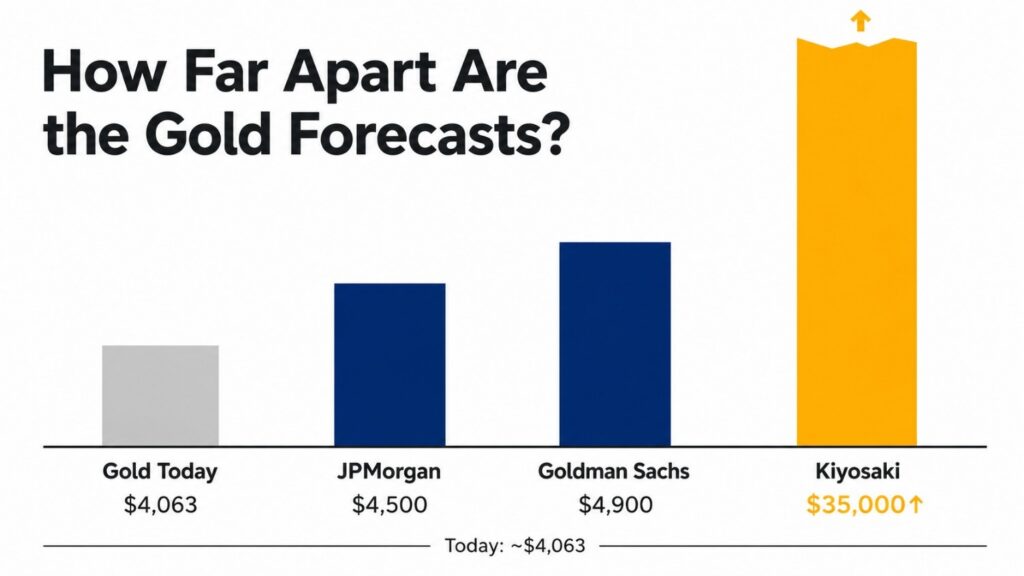
Robert Kiyosaki predicts $35,000 gold after a systemic collapse. Goldman Sachs targets $4,900. JPMorgan targets $4,500. Gold trades at $4,063 today — 27% below its all-time high. Here’s what the structural data says about buying the dip or waiting.
Why China’s Gold Buying Spree Outweighs India’s Pause
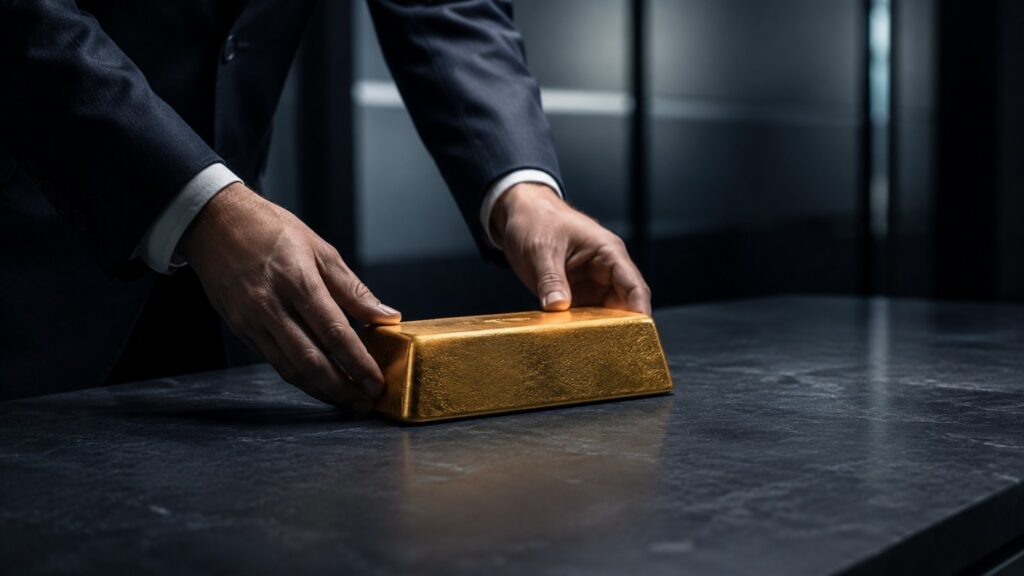
China’s bar and coin gold demand hit a record 207 tonnes in Q1 2026 while India paused on a 15% import duty hike. Here’s why the divergence matters — and what it means for your physical gold allocation.
Buying the Top: A Survival Guide for Gold and Silver Investors
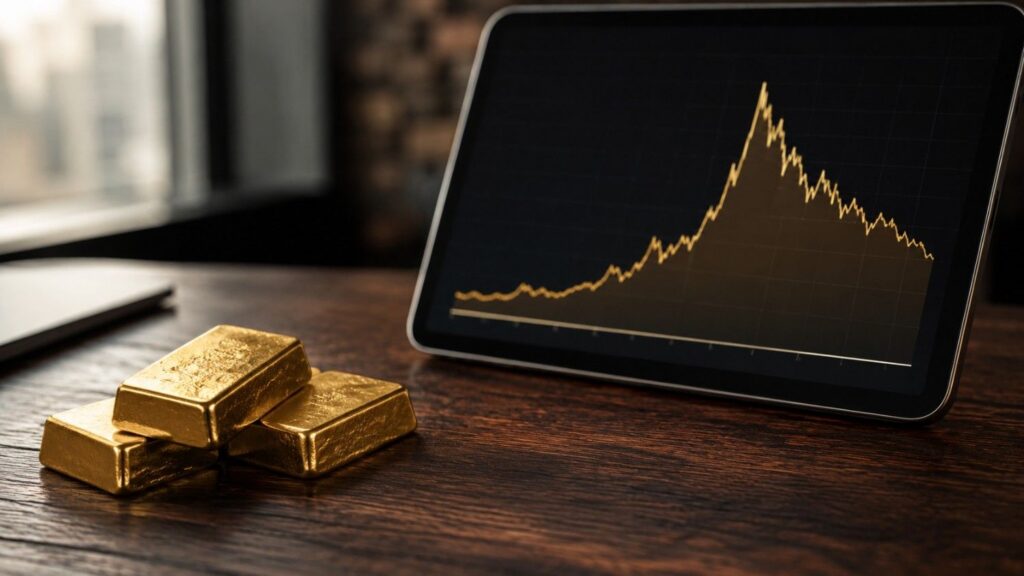
Gold hit $5,589 in January 2026. It trades near $4,100 today. If you bought near the top, your paper loss is real — but it is not final. This guide walks through your three strategic paths: hold patiently, dollar-cost average at lower prices, or harvest the tax loss and immediately repurchase. The structural case for gold has not changed. The price has.
Goldman Just Changed Its Model. Should You Change Yours?
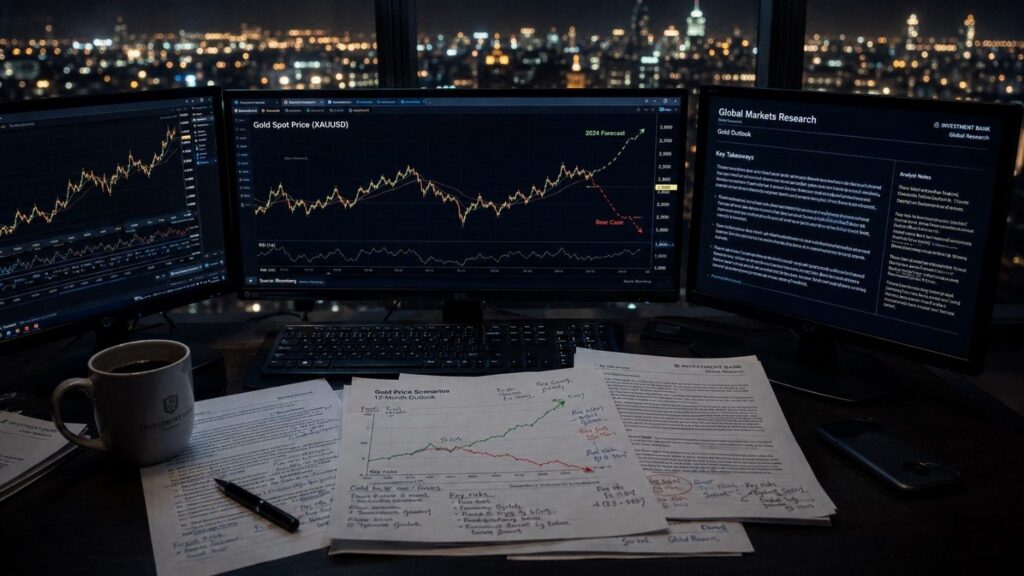
The Goldman Sachs gold cut explained: it’s a valid model output, not a verdict on gold. Here’s how to determine whether Goldman’s framework is your framework, and what data you should actually be watching.
Gold and Oil Move Opposite Ways. Here’s Why That Matters
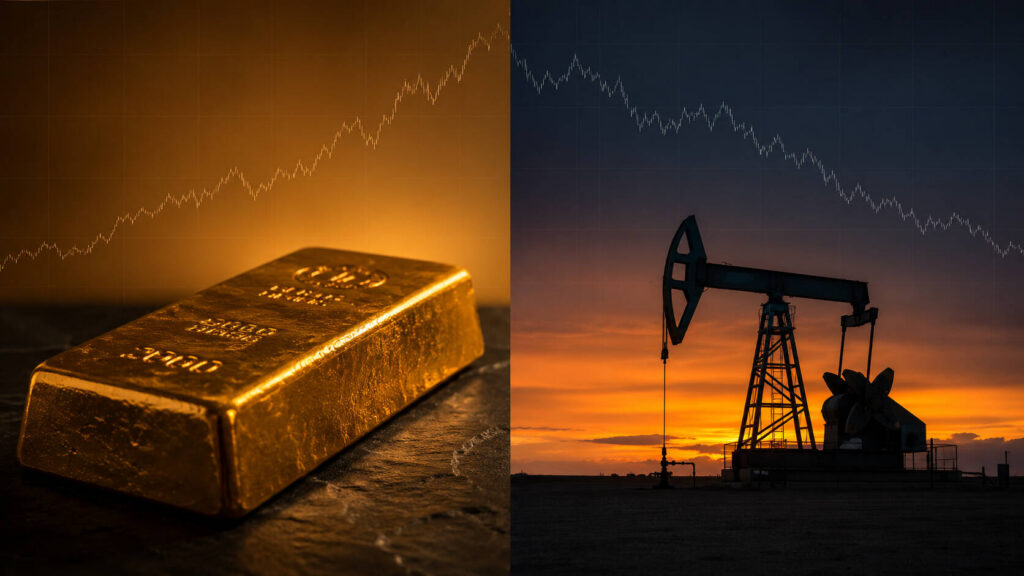
Gold is trading near $4,700/oz while Brent crude surged past $120/bbl before pulling back sharply. The two commodities keep moving in opposite directions — and the reason reveals something important about protecting wealth in volatile markets. (243 characters)
$5,500 Gold by Q1 2027? The Central Bank Risk Driving It
Gold has pulled back 18% from its January 2026 all-time high of $5,589.38. But structural forces — central bank buying, policy uncertainty, and dollar weakness — are pointing toward $5,500 by Q1 2027.
Gold or Silver Price Dip: Temporary Correction or Trend Reversal?
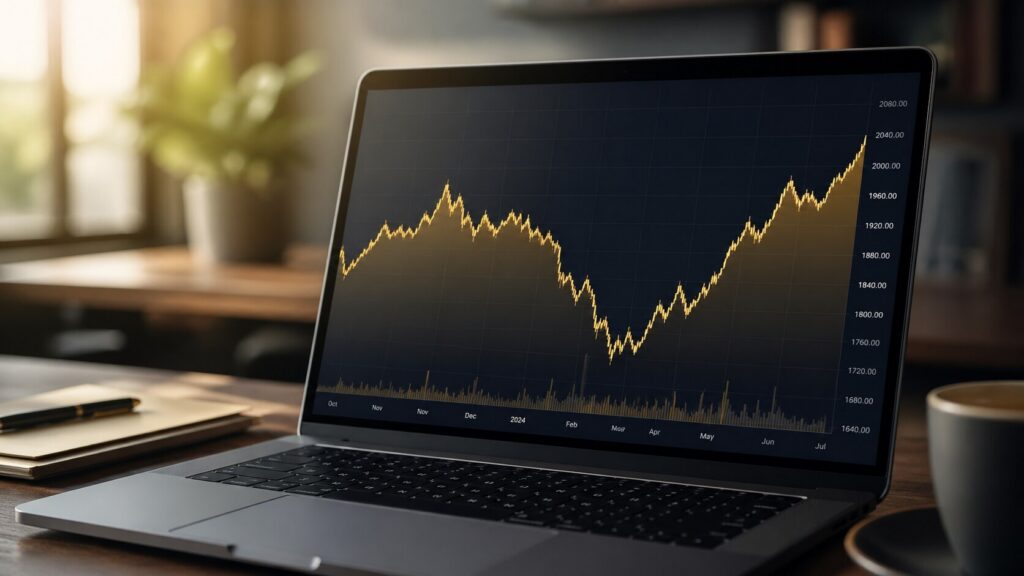
When gold or silver prices fall, the real question isn’t how far — it’s why. Learn how to read a price dip, spot the difference between a healthy correction and a genuine trend reversal, and respond with a strategy instead of emotion.
What History Shows About Buying Gold After a Pullback
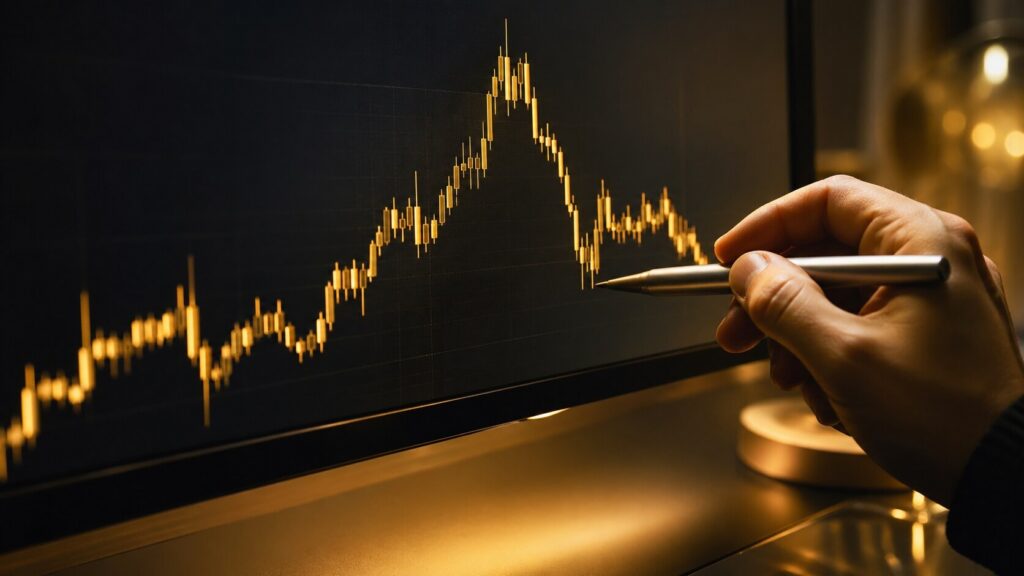
Gold has pulled back 16% from its January 2026 all-time high. History shows corrections inside an active bull market reward patient buyers — and the structural case for gold hasn’t changed.


