 Silver Rises Over 120% YTD




Morgan Stanley Just Named Gold’s Floor. Here’s the Number.
Morgan Stanley just named $4,000 as gold’s floor, citing three structural supports: steady central bank buying, fiscal debt concerns, and a possible oil-driven easing in yields. Meanwhile, silver is quietly outperforming today. Here’s what’s actually holding, what’s pressuring gold, and what would flip the floor into a rally.
Gold Sank 4% Today. Five Other Signals Point to a Steadier Market Underneath.

Gold fell 4% and silver more than 5% today. Five same-day stories on WGC leadership, a new LBMA member, a US mine ruling, and bitcoin’s move show what’s holding steady underneath the drop.
Gold in Your Phone: How Much Gold Is in Electronics and What It Means for Demand
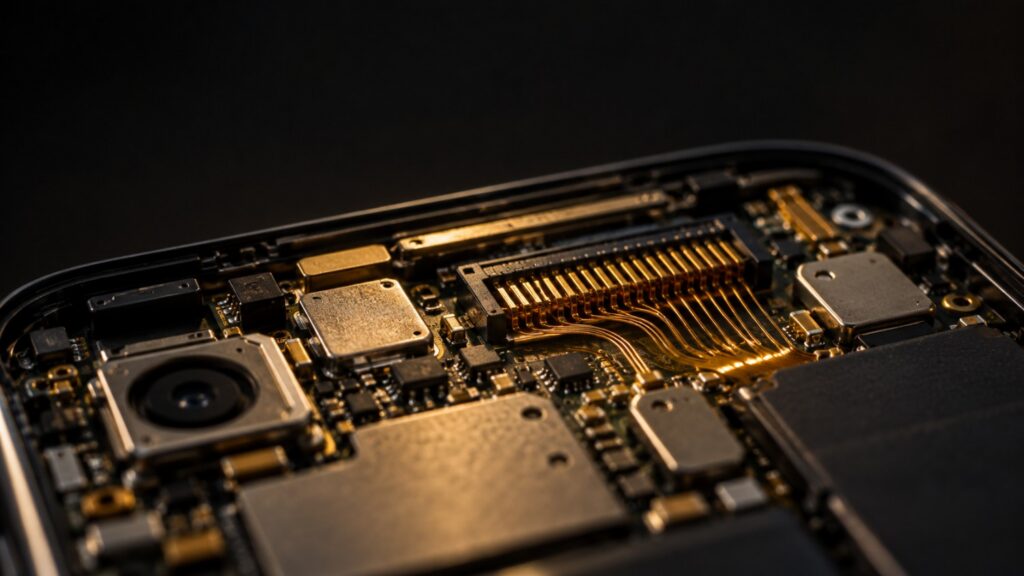
A smartphone holds only 0.03 grams of gold, yet electronics consumed 270 tonnes of it in 2025. Here’s why circuit boards run richer in gold than most mines, and how AI servers are quietly reshaping where that demand comes from.
Who Owns US Debt? Central Banks Own Less Than You Think

Foreign central banks’ share of foreign-held US Treasuries has fallen from two-thirds in 2014 to 41% today. But their dollar holdings barely dropped. The market around them tripled instead, and the gap was filled by leveraged private trades, not other governments. Here’s the mechanism, and where the real reserve money went.
Gold Is About to Face Its First Rate Hike of the Cycle. Here’s Why It Isn’t Scared.

A rate hike is supposed to hurt gold. It hasn’t for three years, and September 16 is the cleanest test yet. The reason traces back to who is actually setting gold’s price now, and it isn’t who the old models assume.
Gold Price Outlook September 2026: What the Fed’s September 15-16 Meeting Means for Your Metals

Gold holds near $4,380 as hot August PPI lifts September hike odds toward 60%. Bank targets are unchanged, central banks are still buying, and here is what actually decides the Fed’s September 15-16 call.
Gold and Silver Drop as August Payrolls Blow Past Forecasts. Four Other Threads Moved Today Too.
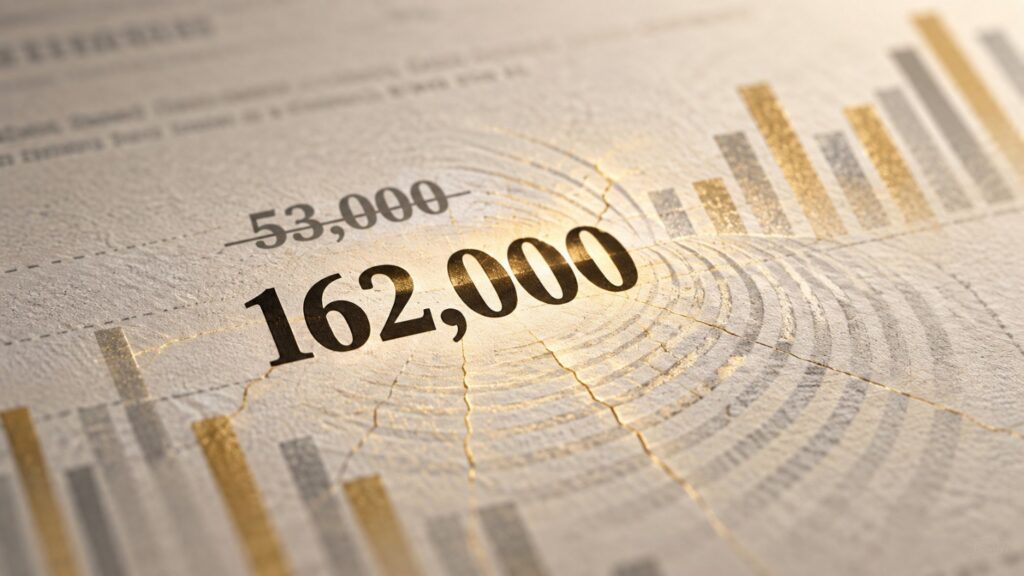
August payrolls landed at 162,000 against a 53,000 consensus, and gold and silver felt it immediately. Four other threads moved the same morning: silver’s fight to hold $65 support, AI showing up in the jobs data, central bank buying, and a widely shared claim about gold overtaking Treasuries that doesn’t hold up.
Gold ETF Outflows Came From One Region. The Buying Came From Everywhere Else.
Gold ETF outflows in 2026 were not a market-wide verdict on gold. They came from one region. North America was the only region in net outflow across the first half, while Asia recorded its strongest first half on record. Here is what the regional split says about owning gold in paper form versus physical.
Ten Percent Sent Gold Abroad. Nine Percent Brought It Home.
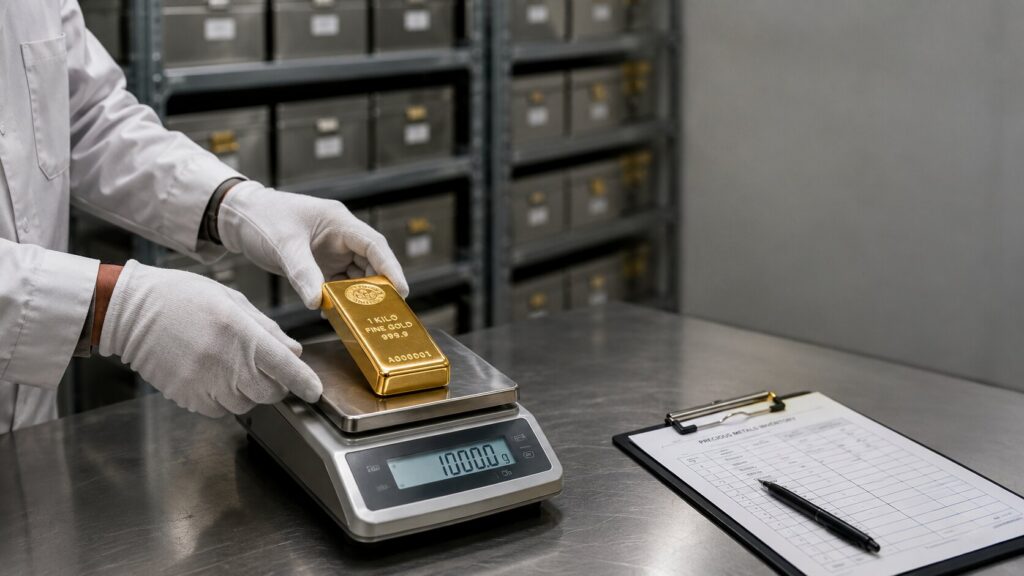
The financial press says central banks are bringing their gold home. The World Gold Council asked 76 of them, and the numbers run the other way: more spread gold into additional foreign jurisdictions last year than repatriated it. What that says about custody, and about how you hold your own metal.
FOMC Minutes Tomorrow. Jackson Hole in Nine Days. Here Is What Gold Needs From Both.

Gold is at $4,390 and silver at $64.74 as five forces hit the market at once. The Iran ceasefire expired. FOMC minutes drop tomorrow. Warsh speaks at Jackson Hole in nine days. Central banks just recorded the strongest Q2 gold buying on record. And silver is falling harder than gold — here is why each move matters.


