Silver Rises Over 120% YTD




US May be on Brink of Massive Gold Revaluation
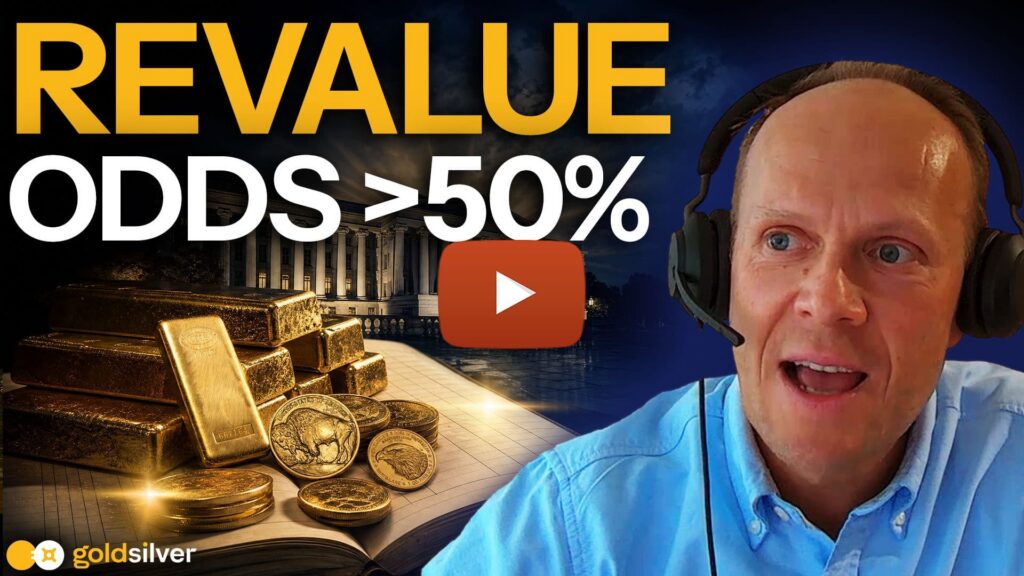
A $1 trillion accounting gap, a Treasury secretary who once got called a gold bug, and a Fed paper on five past revaluations. Here’s why one researcher now rates the odds above a coin flip.
Gold Fell 23% This Year. One Number Explains Why.
The Fed just hiked rates for the first time since 2023, but gold had already fallen 23% from its January record. Here’s the real-yield mechanism that actually moves the price.
What Is a FOMC Meeting? What the Fed Decides and How Gold Reacts

The Fed just hiked rates for the first time since 2023, and gold’s reaction wasn’t what the textbook predicts. Here’s what an FOMC meeting actually decides, how the committee is structured, and the one number, not the headline vote, that actually moves gold and silver.
Silver Is Outperforming Gold by a Third This Morning. The Fed Hasn’t Even Voted Yet.
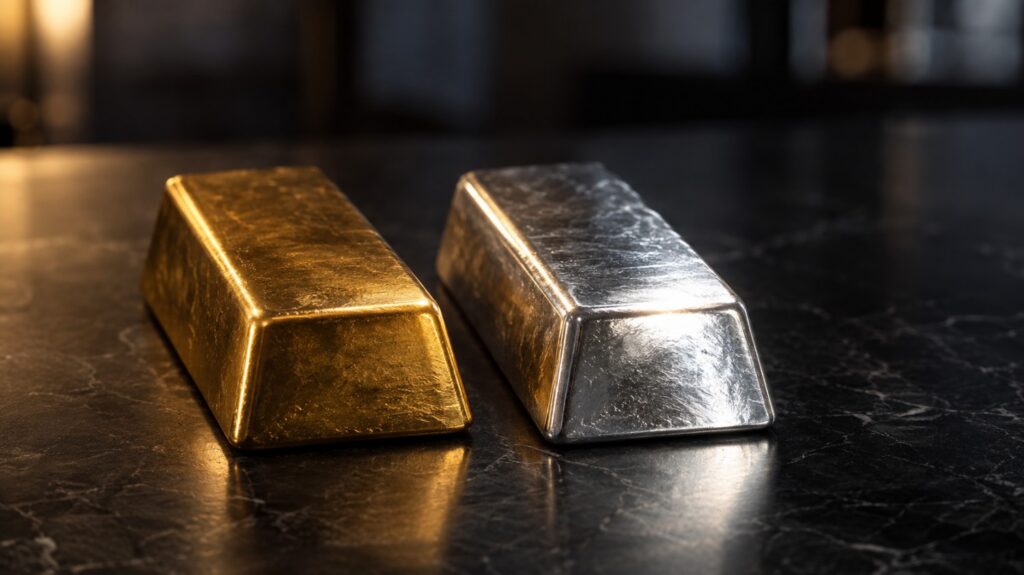
Silver is beating gold by a wide margin this morning, running about a third larger a gain, hours before the Fed’s rate decision. Here’s the mechanism behind the divergence — and what to watch once the Fed actually votes.
The Cantillon Effect: Why Money Printing Makes Some People Rich First

New money doesn’t reach everyone at once: banks and asset holders get it first, wage earners get it last, after prices have already moved. Using Fed balance-sheet data and its own Distributional Financial Accounts, this piece traces exactly how that sequence played out from 2008 to 2022, and why physical gold and silver sit outside the mechanism entirely.
The BLS Revised April Up 64,000, Then Down 31,000. Gold Traded the First Print.
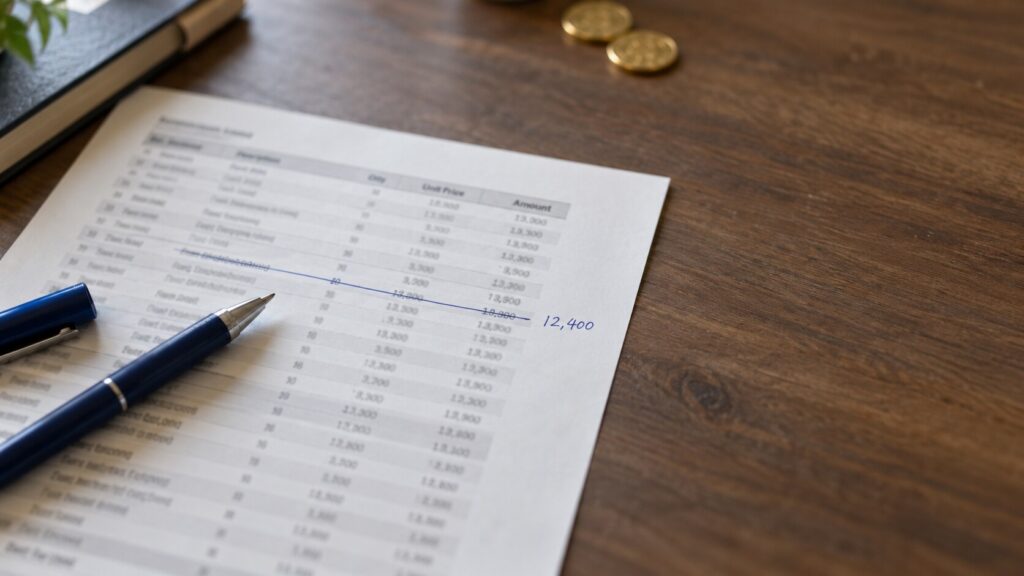
August payrolls beat every published forecast by more than 100,000, and gold sold off on it. But the BLS has revised this same series by nearly as much, twice this year, in both directions. Horizon, not accuracy, is the variable a holder controls.
What Is ZIRP (Zero Interest Rate Policy) and How It Changed Gold Forever
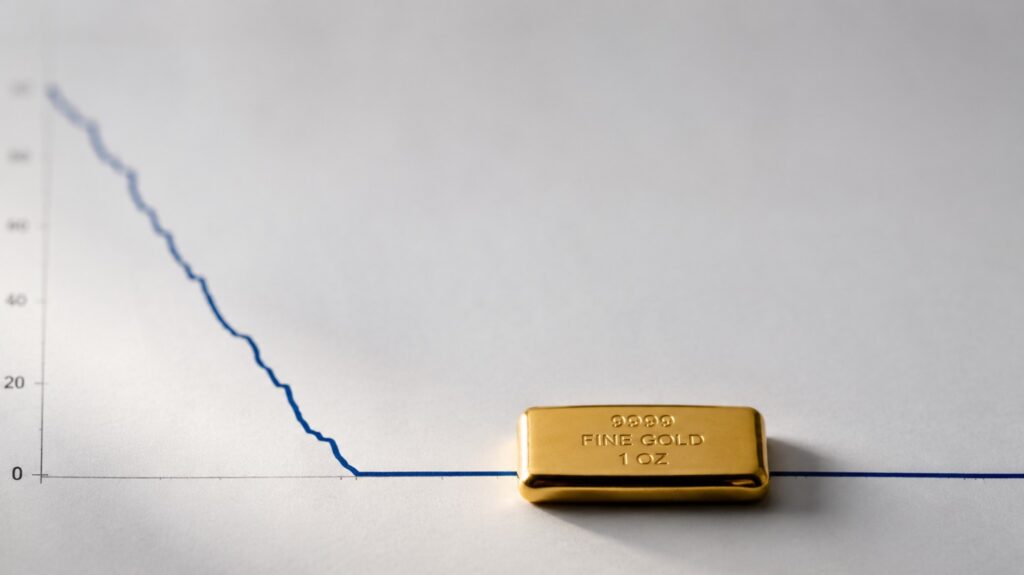
A zero interest rate policy holds the central bank’s short-term target at or near zero. The Federal Reserve did it twice, for nine of fourteen years. But zero rates alone never moved gold. The real policy rate did, and it explains today’s market better than the headline number does.
The Fed Just Priced Out Half a Rate Hike. Gold Barely Noticed.

September rate hike odds fell to roughly 50.3% after Fed Governor Christopher Waller signalled he could support a hold. Gold barely responded. It had already banked a 2.4% gain before he spoke, then slipped. Here is which channel is actually driving the metal, and what August CPI decides.
$1 Trillion in New Loans. $0 in New Reserves. Here’s What Banks Are Betting On.
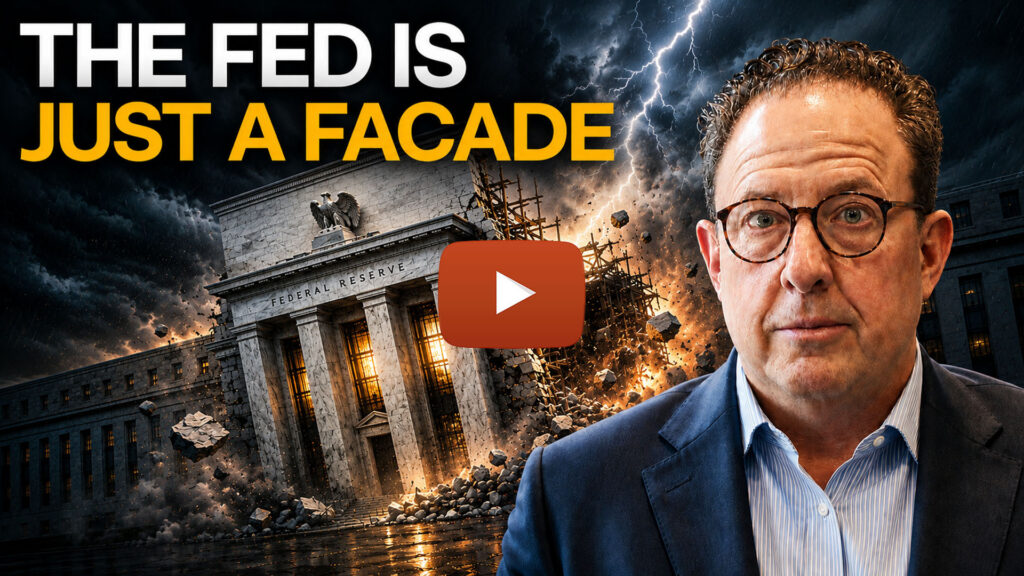
US banks added $1.04 trillion in loans since July 2025 and set aside nothing extra to cover them. Christopher Whalen argues the spotless loss rates measure house price inflation rather than health, and that the risk quietly moved elsewhere. We checked his numbers, and three did not survive.
Hike Odds Doubled This Week. Real Yields Didn’t.

Hike odds jumped from 35% to 57% in one Fed speech. Real yields moved two basis points. Four data prints this week decide which number gold should believe.